


Mauritius
Luxury Hotel Suites in Mauritius
Mauritius divides naturally into distinct coastal corridors, each with its own character, microclimate, and hotel typology. Understanding these zones is essential before selecting a suite.
Best Neighbourhoods and Coastal Zones for Luxury Suites in Mauritius
North Coast — Grand Baie and Pereybere
The north is the most commercially active stretch of coastline, centred on Grand Baie. The lagoon here is wide and calm, with consistent water clarity. This corridor attracts a higher density of international visitors and supports a concentration of full-service resort hotels with large suite inventories. The architecture leans contemporary, often with direct lagoon access and expansive pool configurations. Those prioritising proximity to restaurants, retail, and social infrastructure will find the north most functional. The tradeoff is a reduced sense of seclusion compared to the island's outer edges.
East Coast — Belle Mare and Trou d'Eau Douce
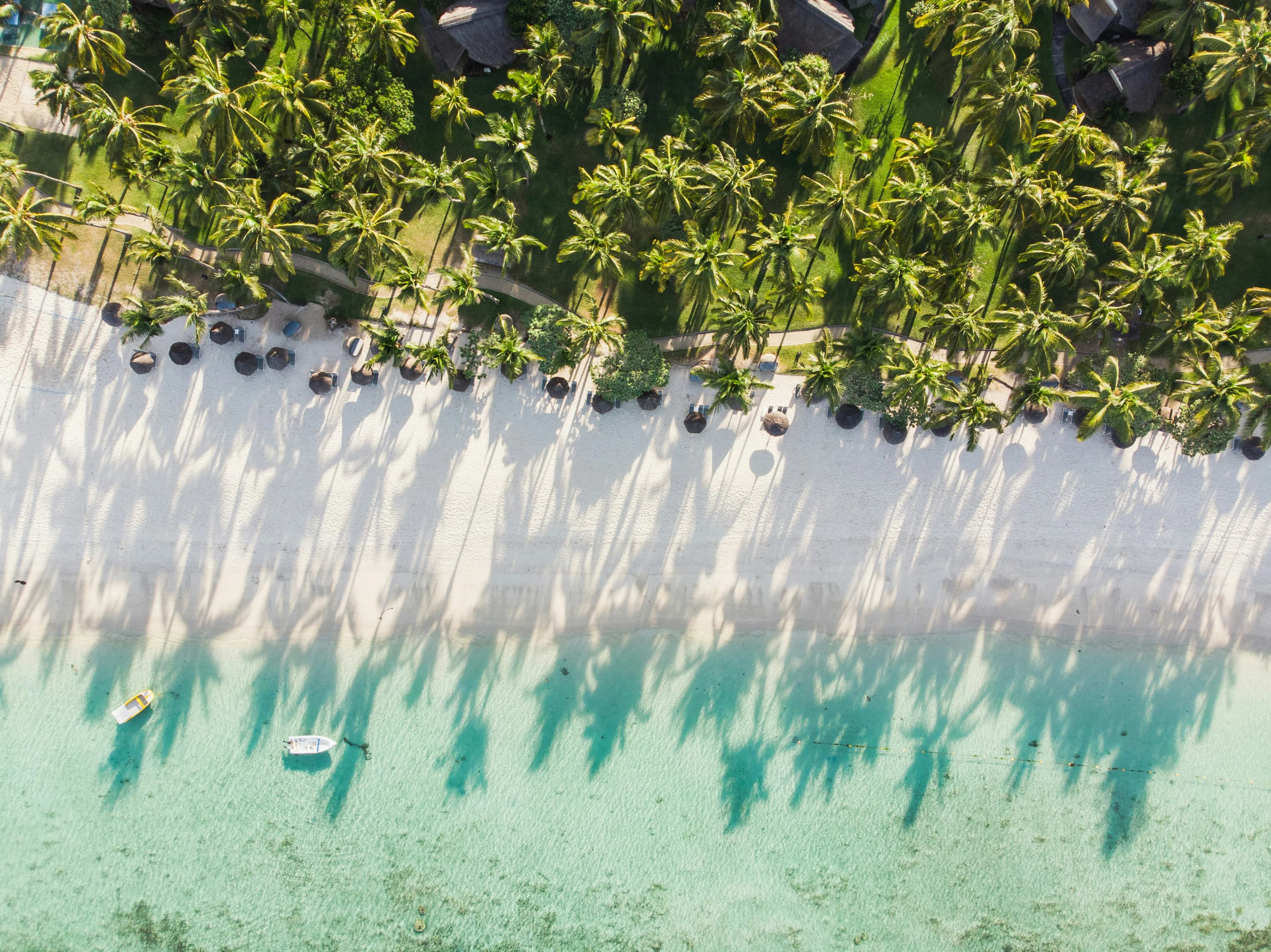
The east coast — anchored by Belle Mare and extending south through Trou d'Eau Douce — is widely regarded as the island's most refined corridor for high-end accommodation. The beaches here are among the longest on the island, backed by casuarina trees rather than commercial development. The Indian Ocean swell is more present than in the north, lending a particular quality of light and movement to the water. Several of the island's most architecturally significant properties are positioned along this coast. It is quieter by intention, and the suite product here tends toward larger floor plans, private gardens, and butler-led service models.
South and Southwest — Le Morne and Black River
The southwest is defined by Le Morne Brabant, a basalt peninsula and UNESCO World Heritage Site that rises dramatically from the water. The prevailing trade winds make this coast a global destination for kitesurfing, and the landscape has a rawer, more elemental quality than the manicured north or east. Hotels here tend to position themselves around the drama of the setting — clifftop outlooks, direct wind exposure, and a connection to the broader natural geography of the island. Suites in this zone often prioritise panoramic orientation over lagoon-side proximity.
West Coast — Tamarin and Flic en Flac
The west coast receives the best sunset light on the island, with the Rempart Mountains as a backdrop and a notably warm microclimate. Flic en Flac has one of the longest uninterrupted stretches of beach on the island. The hotel density here is lower than the north, and properties tend to attract guests seeking a more local texture alongside their accommodation. The west coast is also the primary access point to the Black River Gorges National Park, the island's most significant inland reserve.
When to Visit Mauritius
Mauritius operates on a tropical maritime climate with two broad seasons. The warm, humid summer runs from November through April, with the highest temperatures and the highest risk of cyclone activity, particularly from January to March. The cooler, drier winter runs from May through October, with temperatures between 17°C and 25°C depending on coastal position and altitude.
The optimal window for a suite stay is June through September. Conditions during this period are consistently dry, the trade winds are active but not disruptive, and the underwater visibility in the lagoons is at its clearest — relevant for those combining accommodation with diving or snorkelling. Sea temperatures remain above 22°C year-round, so water access is viable across all months.
July and August represent peak occupancy, and suite availability at the island's most sought-after properties should be secured well in advance during this window. The shoulder months of May, June, and October offer comparable conditions with marginally greater availability and rate flexibility. The summer months attract travellers seeking warmer water temperatures and a more tropical atmosphere; the cyclone risk during this period is real but statistically manageable for most years.
There are no major internationally-attended cultural events that significantly affect hotel availability in the manner of, say, a film festival or art fair. The calendar of Hindu festivals — Diwali, Maha Shivaratri, and Holi — adds texture to the cultural experience but does not materially constrain accommodation access for most visitors.
Understanding Luxury Standards in Mauritius
Mauritius does not operate a formal national hotel classification system equivalent to France's Palace designation or the UK's AA Five Star standard. The island's Tourism Authority maintains a star-rating framework, but in practice, the most meaningful quality signals come from international group affiliations and the reputations of the individual properties themselves.
Several of the island's top-tier properties operate under global luxury brands — Shangri-La, Four Seasons, One&Only, Constance, Lux* — each of which applies its own internal service and product standards. The Constance group, in particular, is a Mauritian-founded luxury hospitality company with deep local knowledge and a portfolio of properties across the island and wider Indian Ocean region; its positioning within the Mauritius market carries a particular local authority.
The most reliable indicator of suite quality in Mauritius is the spatial standard — specifically, the ratio of indoor to outdoor living area, the quality of private pool construction, and the degree of physical separation from neighbouring units. The island's top suites are typically standalone villas or pavilions rather than elevated hotel rooms. Butler service is standard at this tier, as is dedicated beach access and, in many cases, private dining infrastructure within the suite itself.
How to Choose the Best Suite in Mauritius
Selecting a suite in Mauritius requires precision on a small number of variables that have an outsized effect on the experience.
Coastal orientation: East-facing suites receive the morning light and calmer lagoon conditions; west-facing suites offer the most dramatic sunset views and warmer afternoon light. North and south-facing suites are rarer and typically more sheltered from wind.
Private pool versus shared access: At the upper end of the market, a private plunge pool or infinity pool is standard. It is worth confirming whether the pool is directly accessible from the suite's living area or requires a separate path — a distinction that affects the quality of the indoor-outdoor connection considerably.
Beach proximity: Some suites are positioned directly on the sand; others are set back within garden grounds. The distinction matters significantly depending on the type of stay — families with children typically prefer direct beach adjacency, while guests prioritising privacy may prefer the additional buffer of a garden setting.
Size of property: Mauritius has both large-scale resort hotels with suites among hundreds of rooms and smaller, villa-format properties with ten to thirty keys. The latter offer a categorically different service density and intimacy. Neither is inherently superior, but the experience profile differs substantially.
Seasonal suitability: If travelling during the summer months, confirm the property's cyclone protocols and whether the suite's outdoor infrastructure — terrace furniture, pool equipment, outdoor dining — is secured or removed during storm warnings. Properties with deep roofline coverage and interior courtyard designs weather these conditions more comfortably.
The Value of Curation in Mauritius
The Mauritius hotel market is large and uneven. The island hosts properties ranging from genuinely exceptional to those that trade on the destination's reputation rather than their own product quality. The visual language of Indian Ocean resort photography is consistent enough that distinguishing between tiers from website imagery alone is unreliable.
A curated selection removes this ambiguity. La Suite's 26 listed properties in Mauritius have been assessed against a consistent framework: suite floor plan and spatial quality, private outdoor infrastructure, service model, beach or water access, and architectural or design coherence. What does not appear in the selection is as meaningful as what does. Properties that market a suite product but deliver a standard room with an upgraded amenity kit are not included.
For guests with limited time and a precise set of requirements — a specific coastal zone, a particular suite typology, a defined travel window — a curated platform removes the research burden and reduces the risk of a misaligned booking. The Indian Ocean is not a destination most guests visit more than a handful of times; the tolerance for error is correspondingly low.