


Spain
Luxury Hotel Suites in Spain
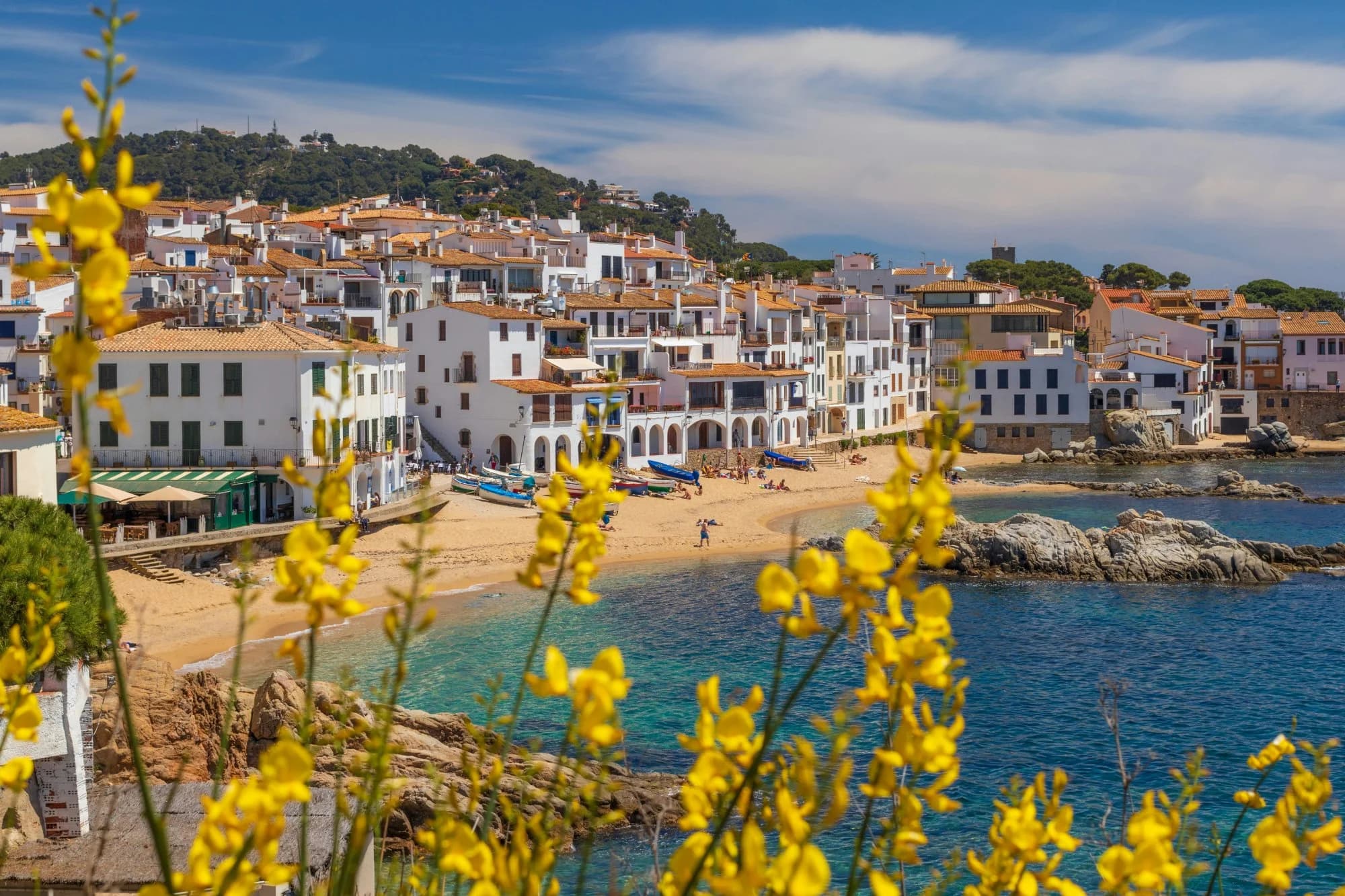
Spain's luxury accommodation landscape does not concentrate in a single city. It distributes itself across radically different urban and territorial typologies, each with its own logic of prestige.
Andalusia
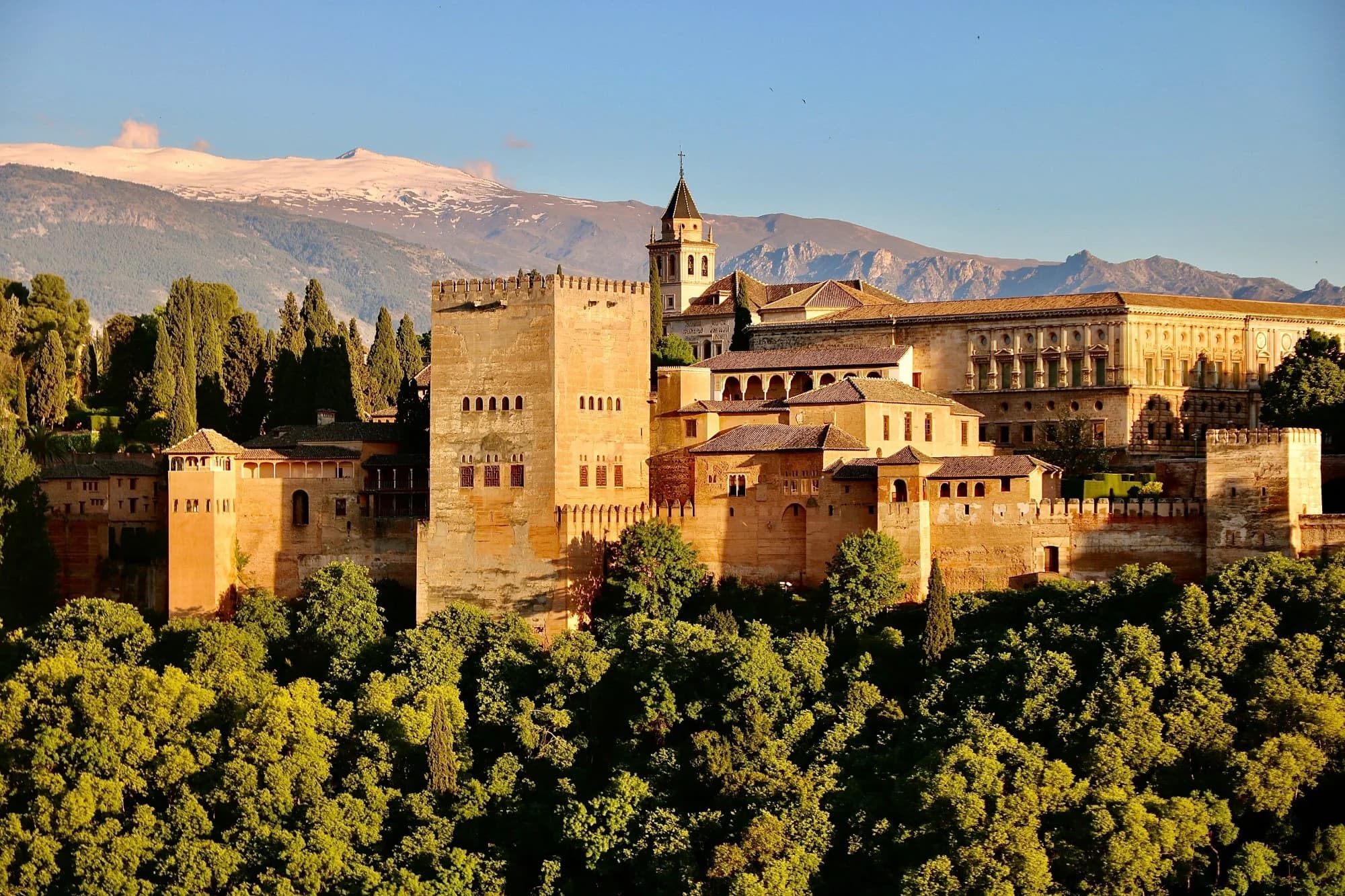
36 hotels
Aragon
1 hotel
Asturias
0 hotel
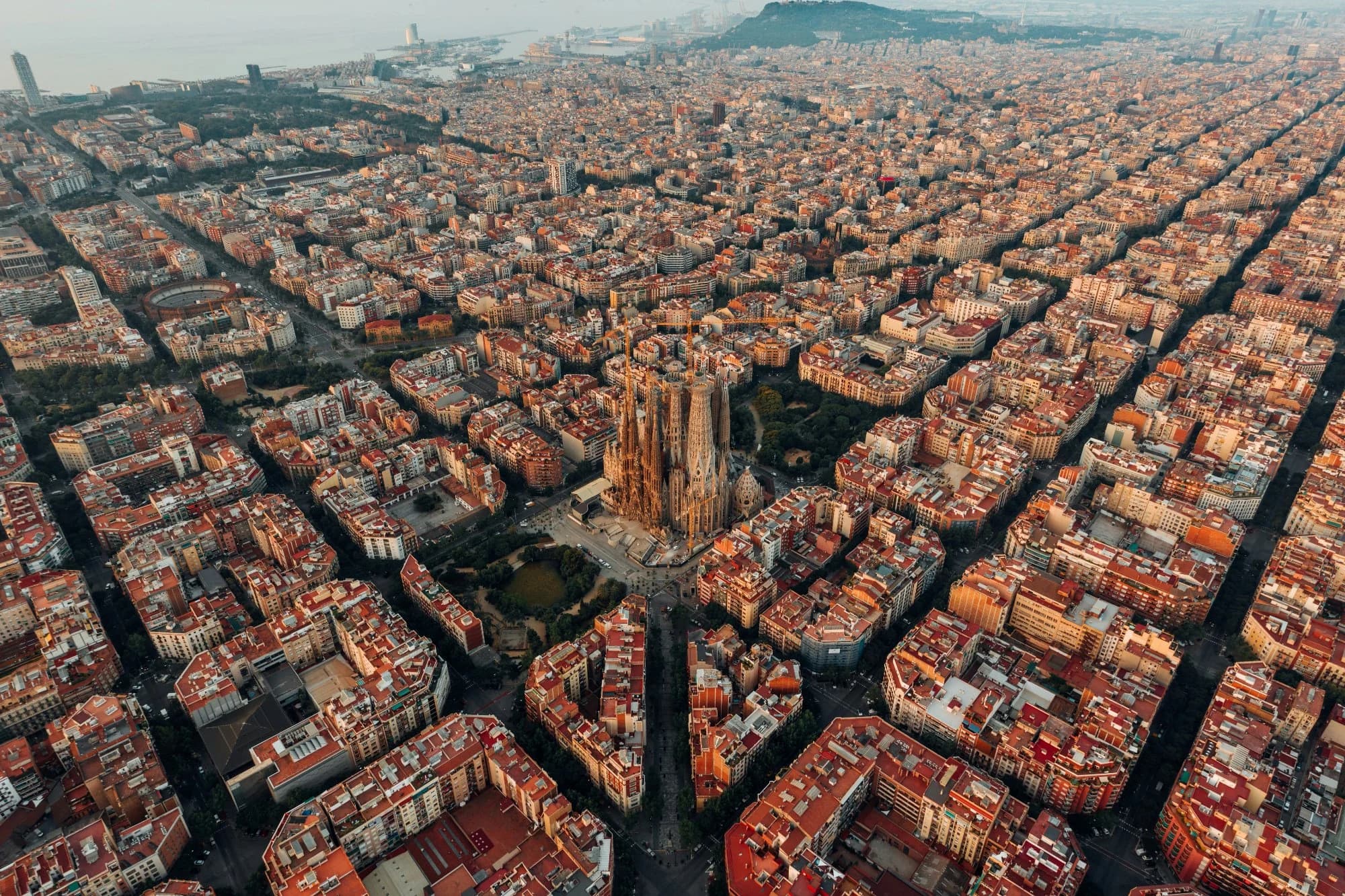
Barcelona
12 hotels
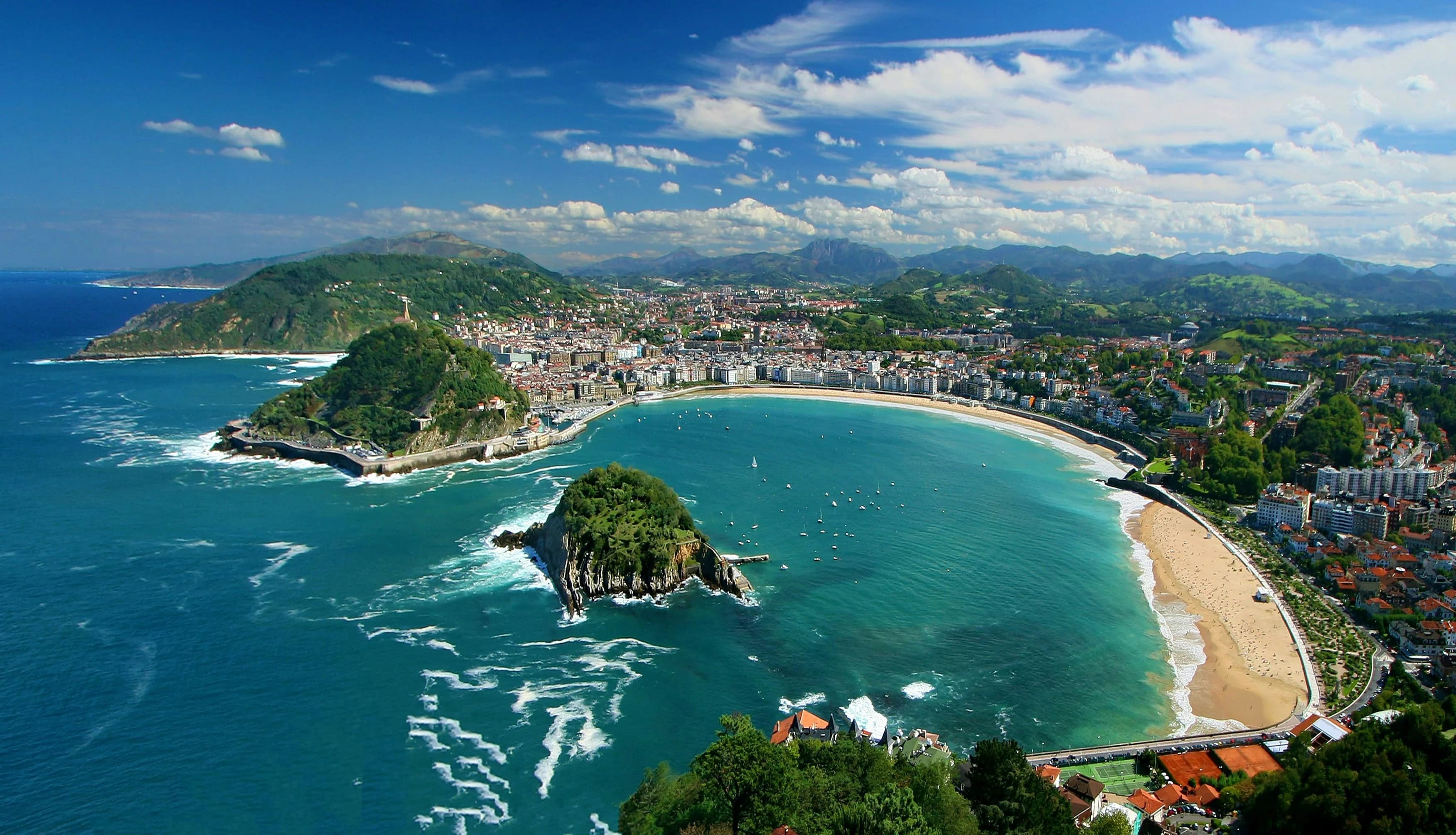
Basque Country
5 hotels
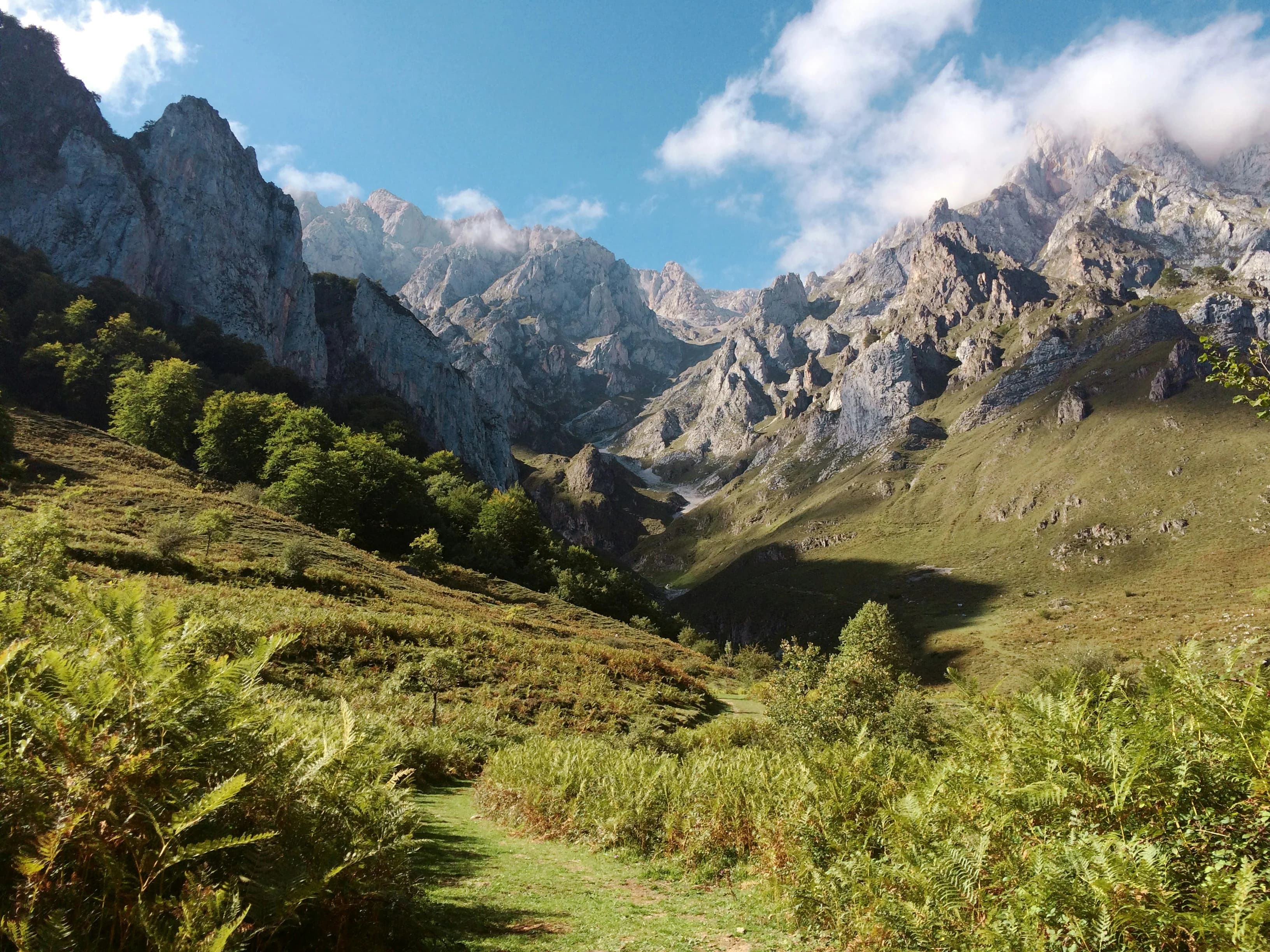
Cantabria
0 hotel
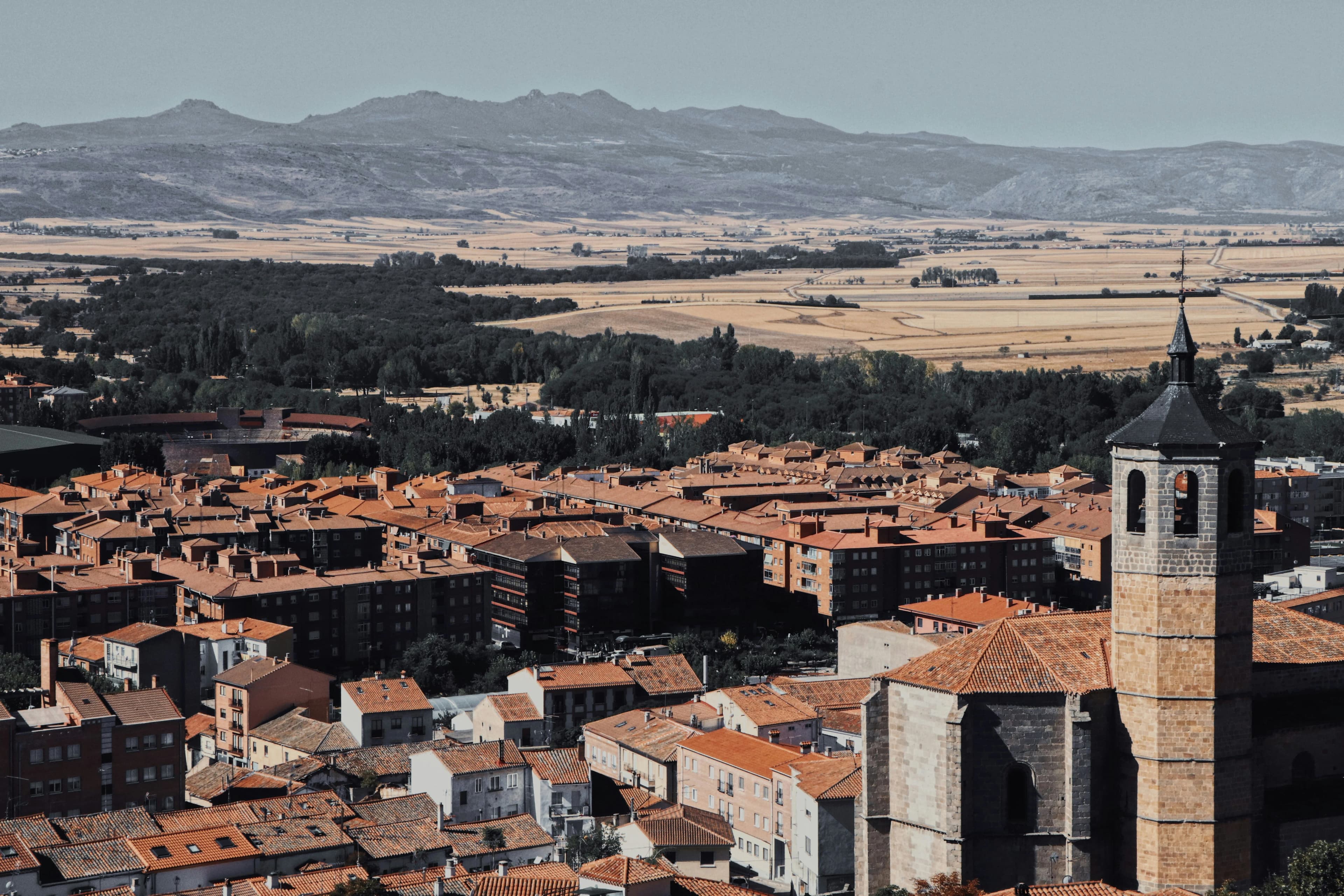
Castile and León
21 hotels
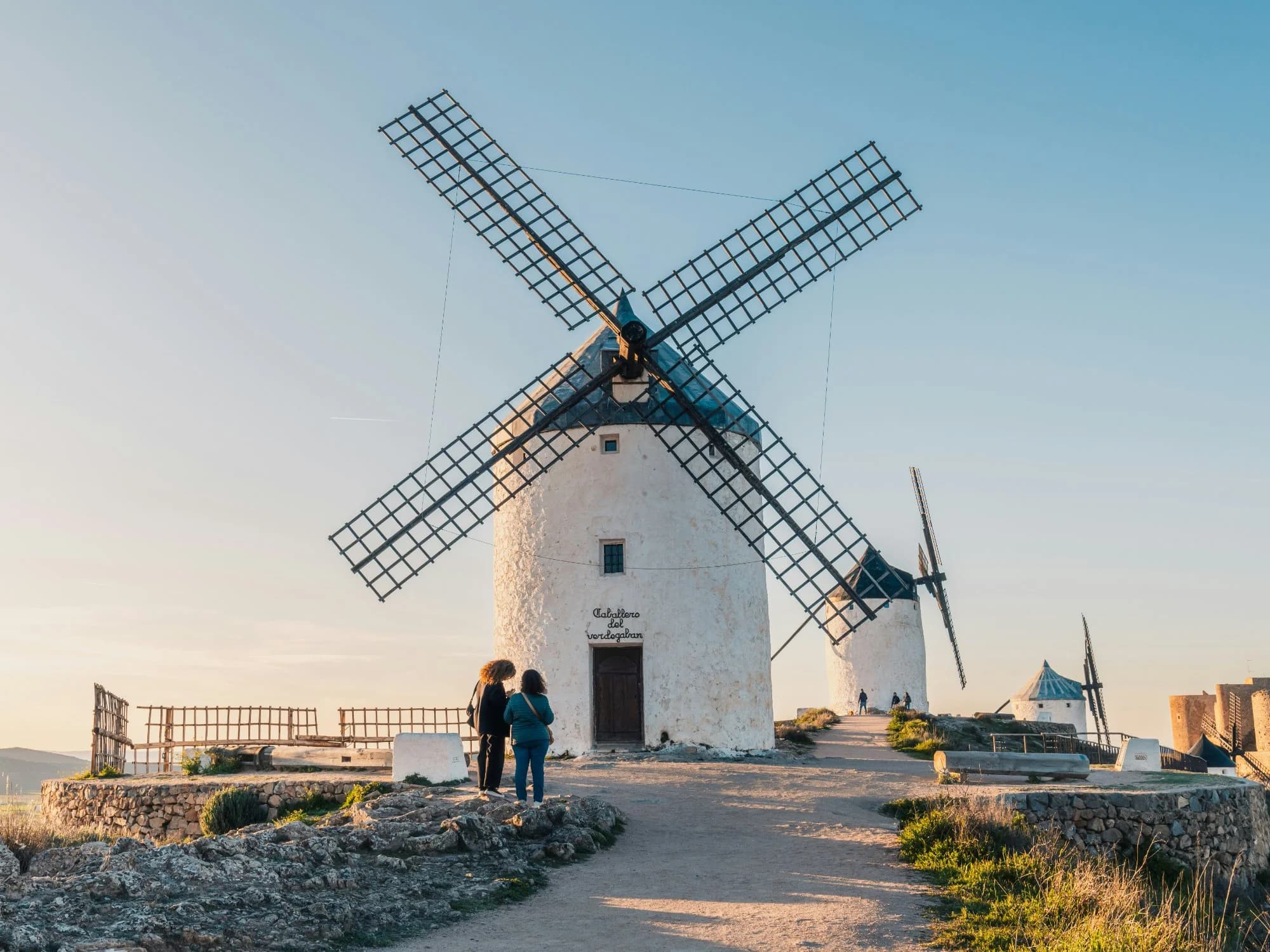
Castile-La Mancha
17 hotels
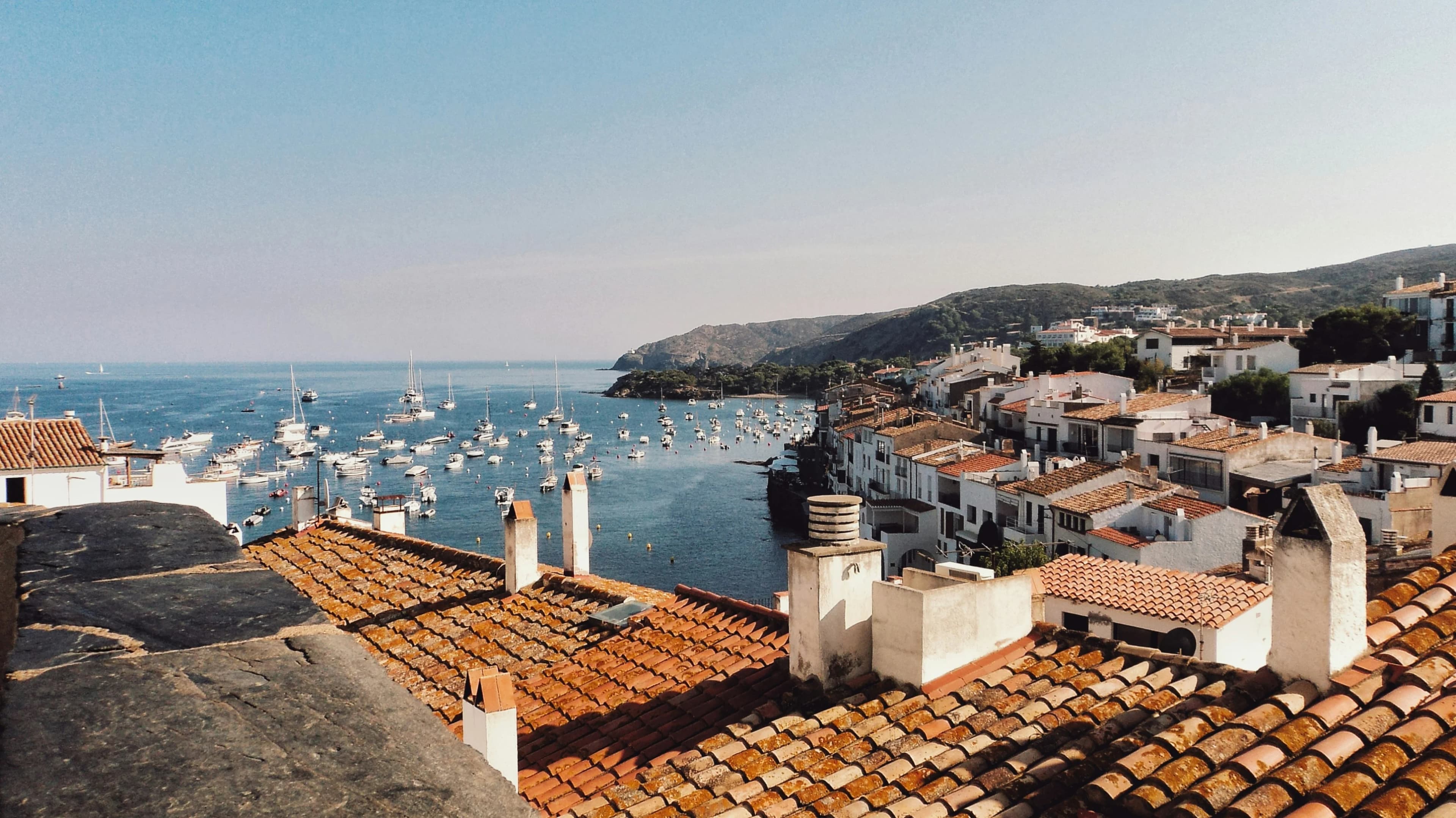
Catalonia
26 hotels
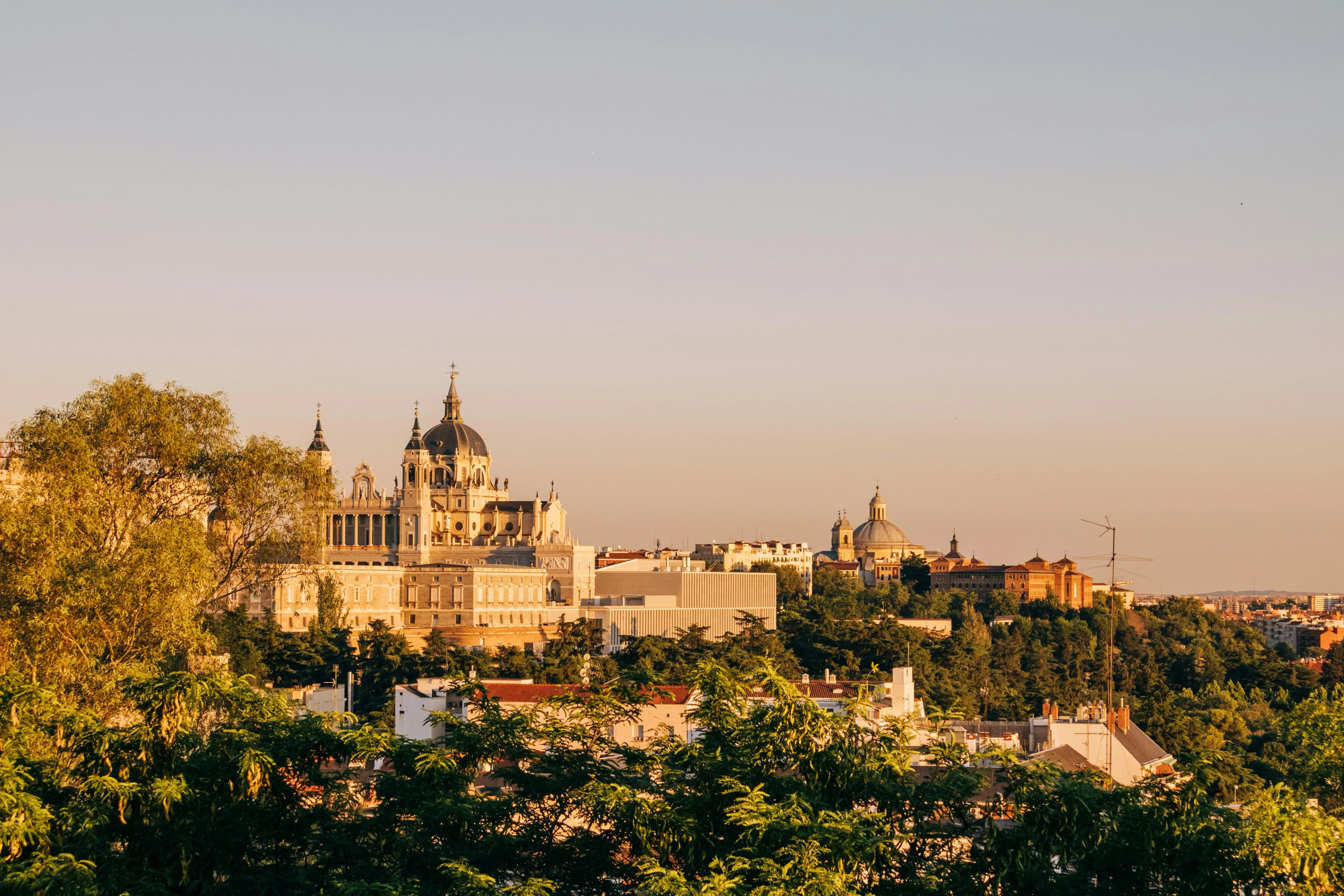
Community of Madrid
16 hotels
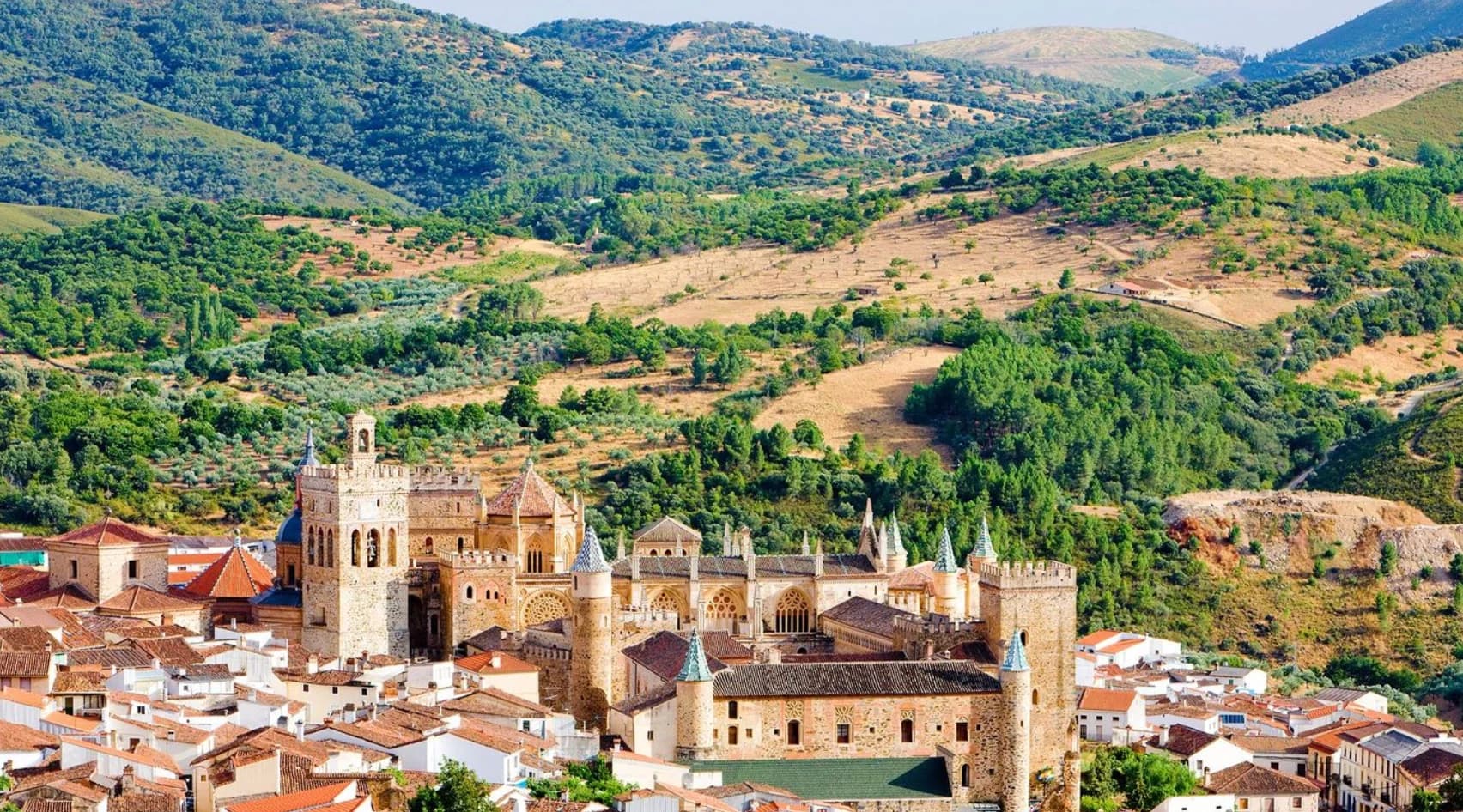
Extremadura
1 hotel
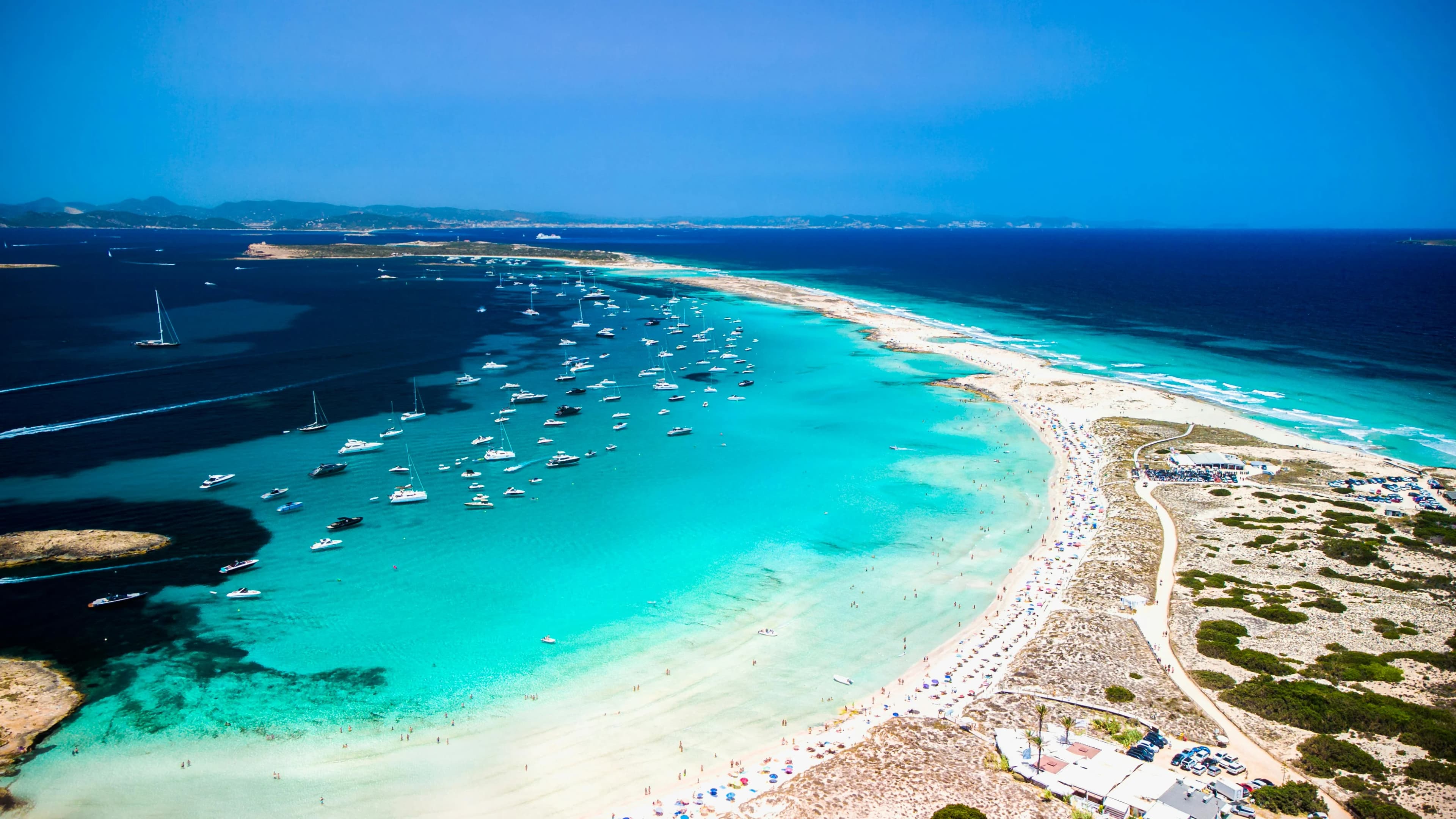
Formentera (island)
4 hotels
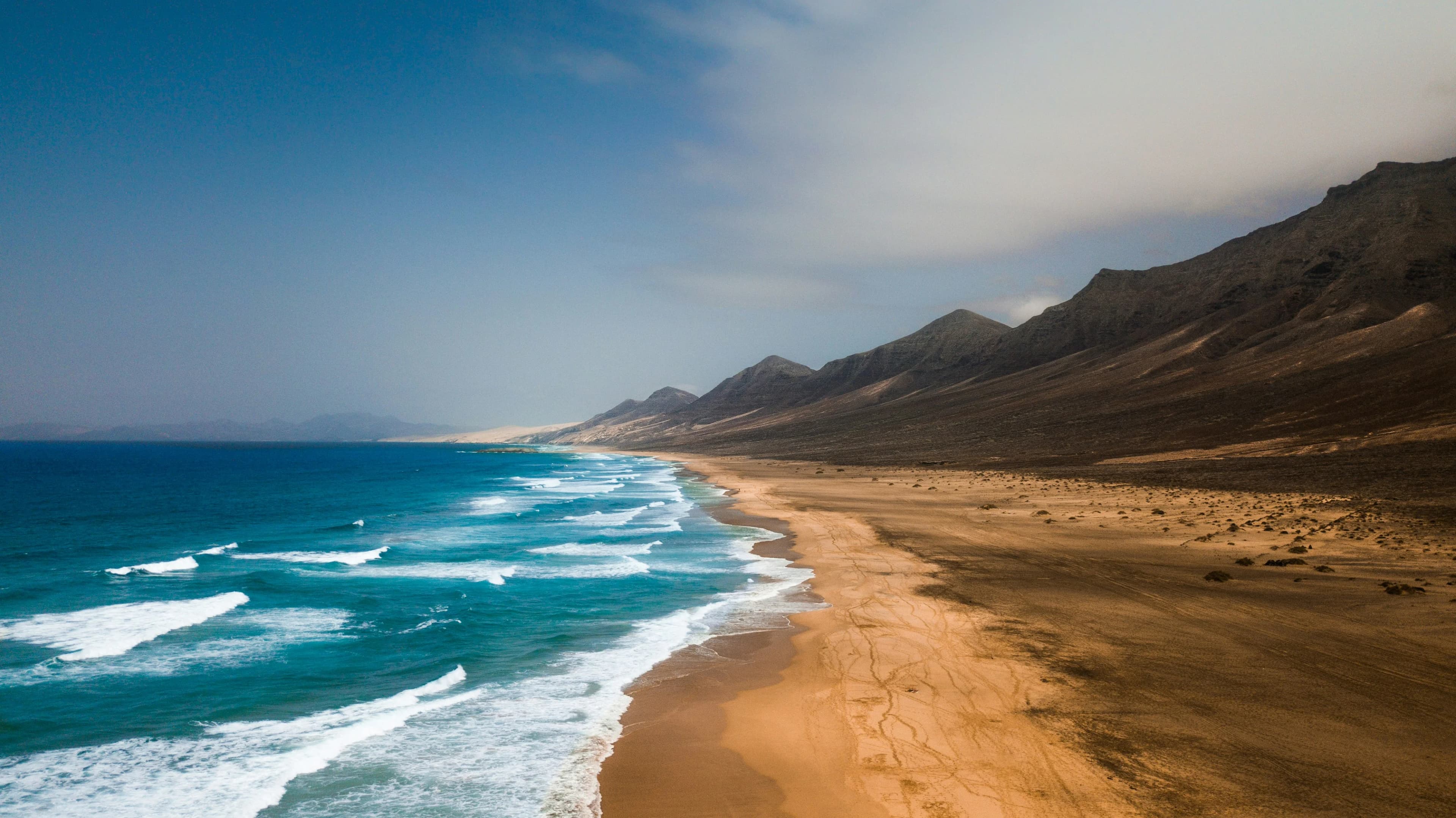
Fuerteventura (island)
0 hotel
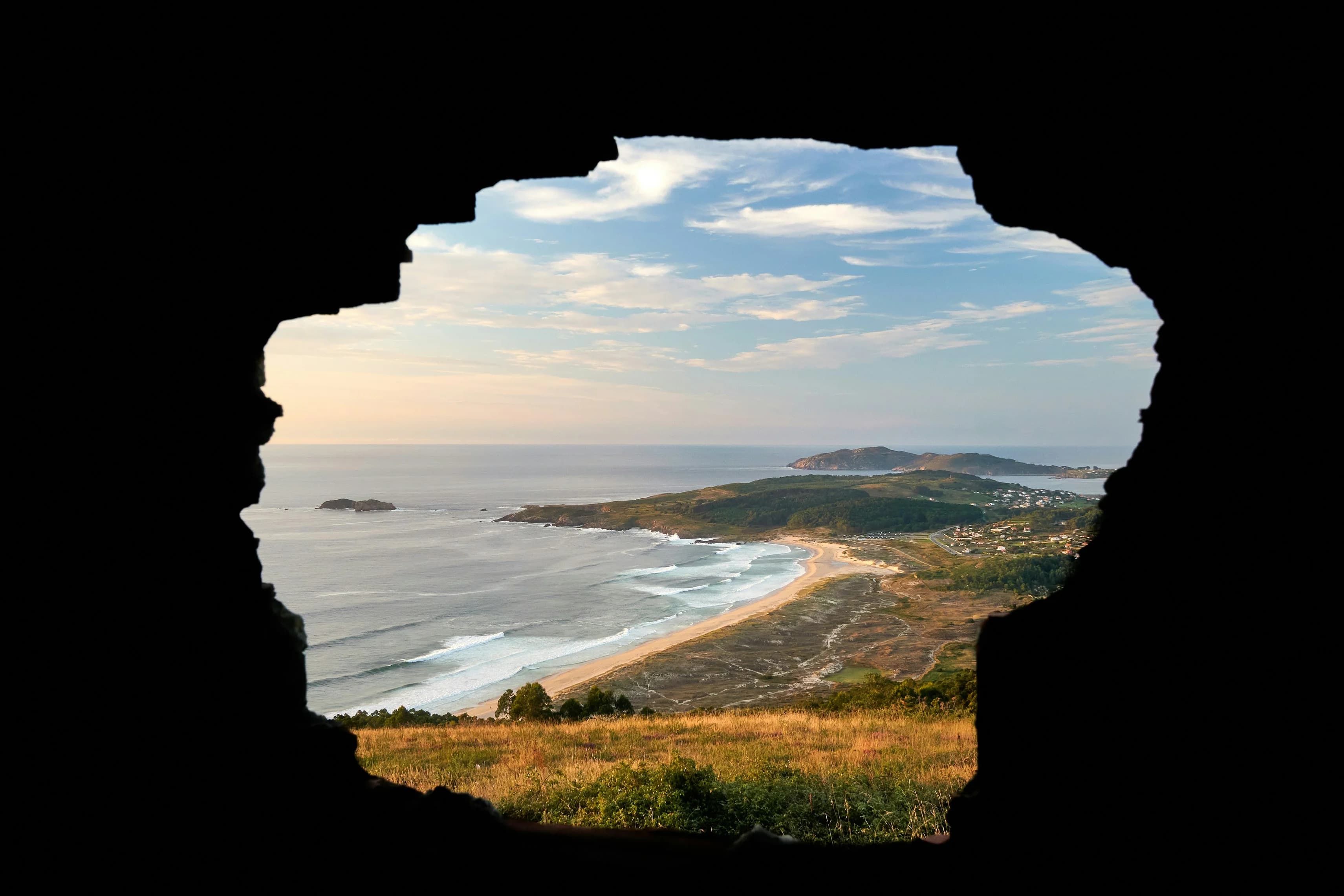
Galicia
0 hotel
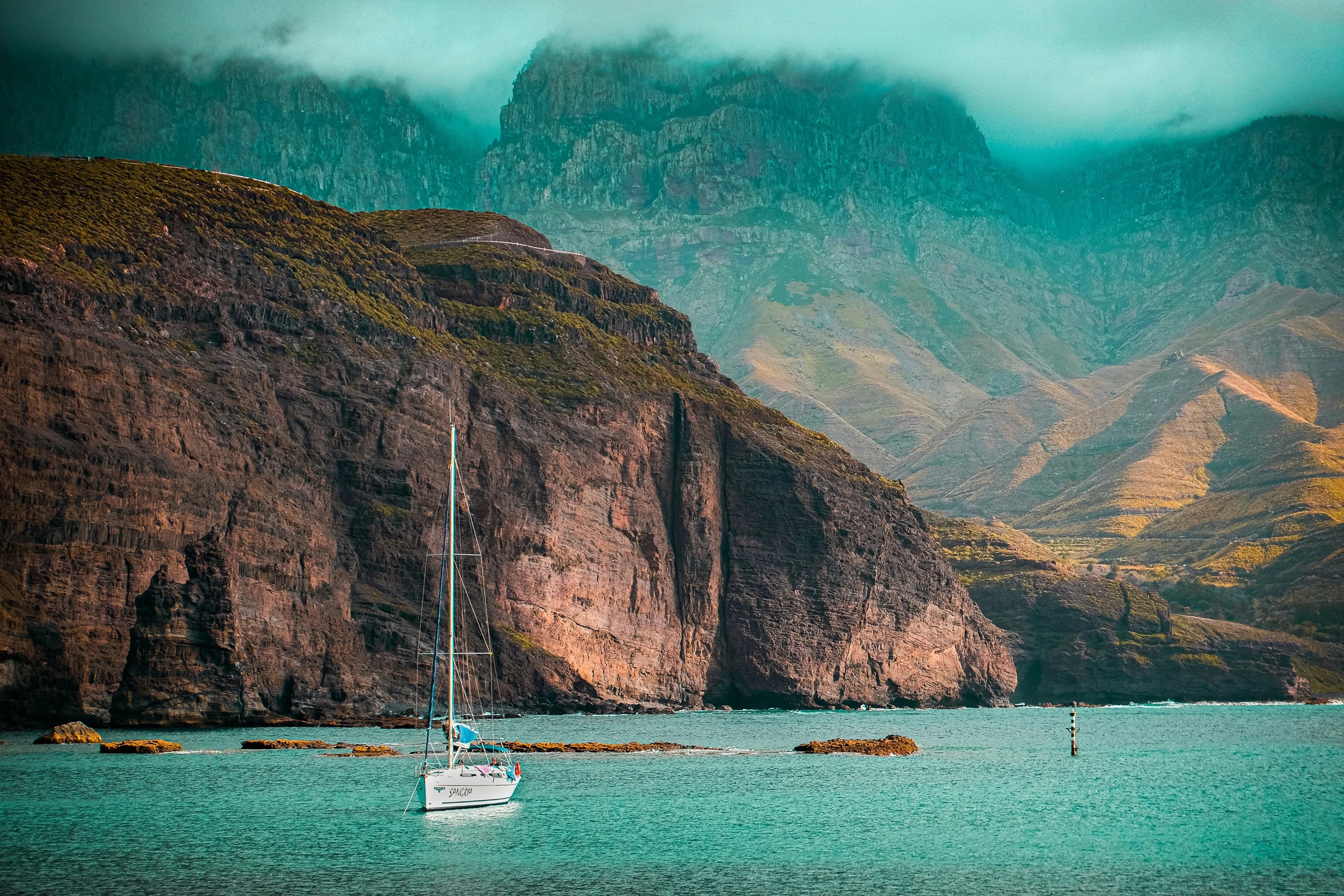
Gran Canaria (island)
3 hotels
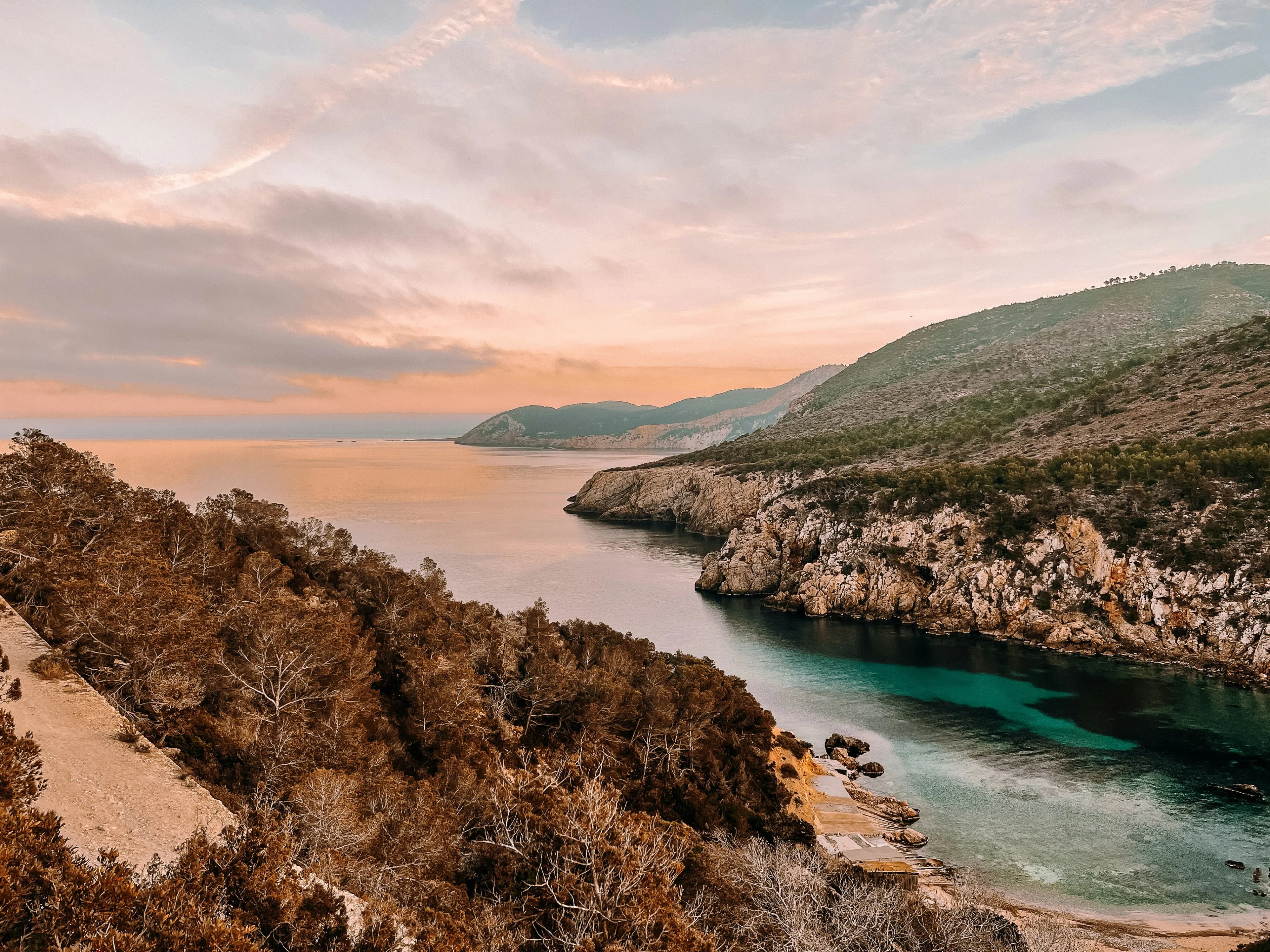
Ibiza (island
19 hotels
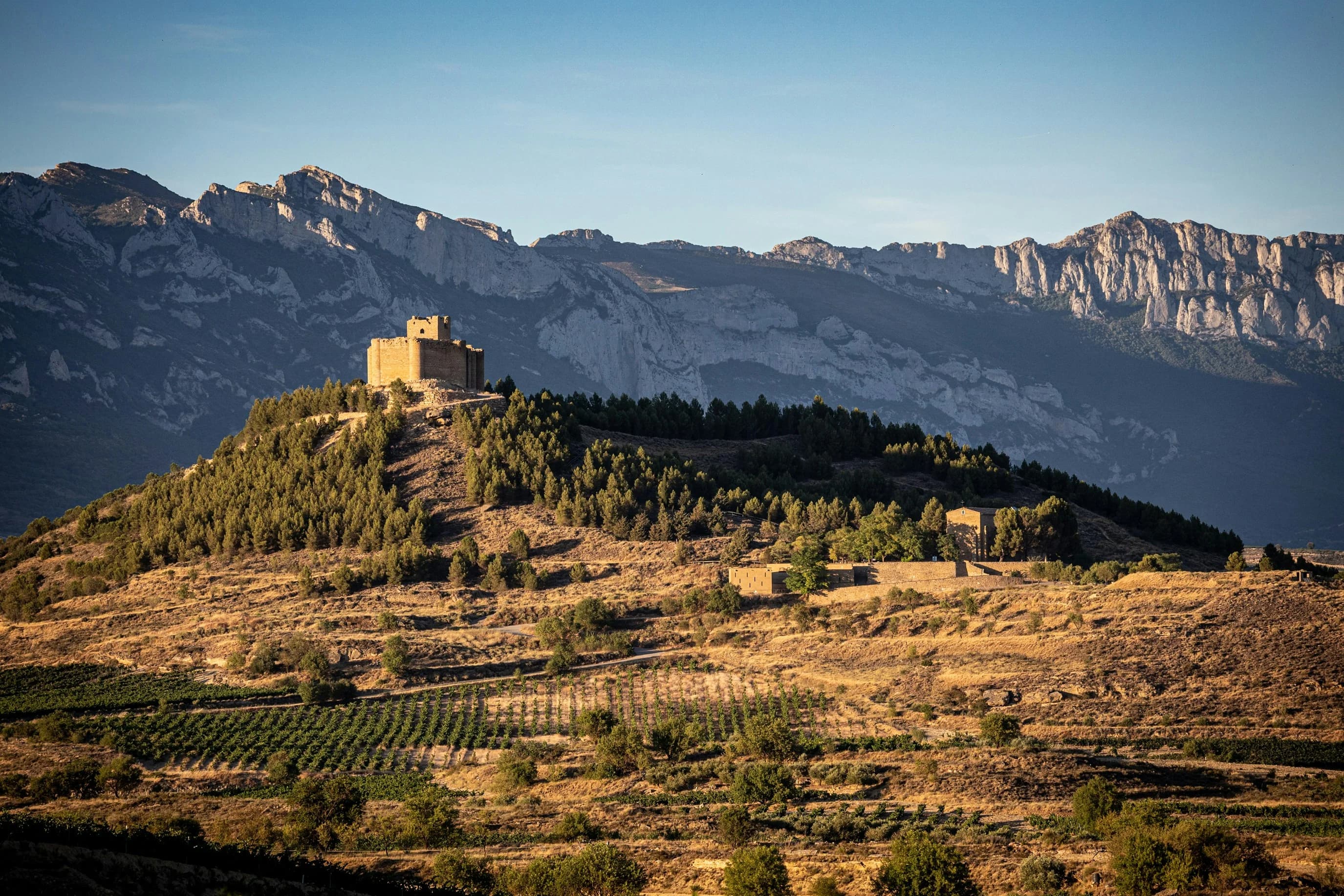
La Rioja
0 hotel
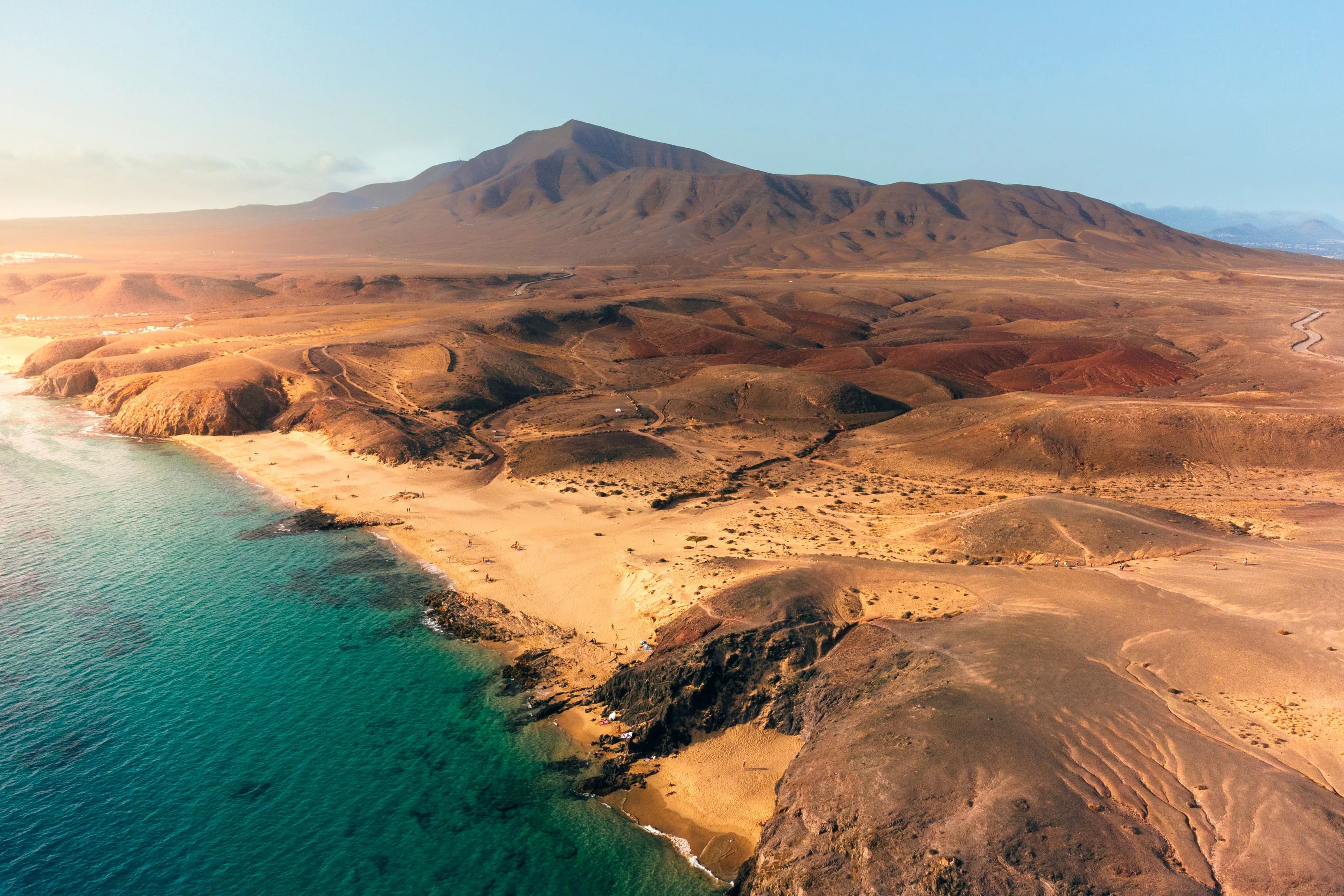
Lanzarote (island)
1 hotel
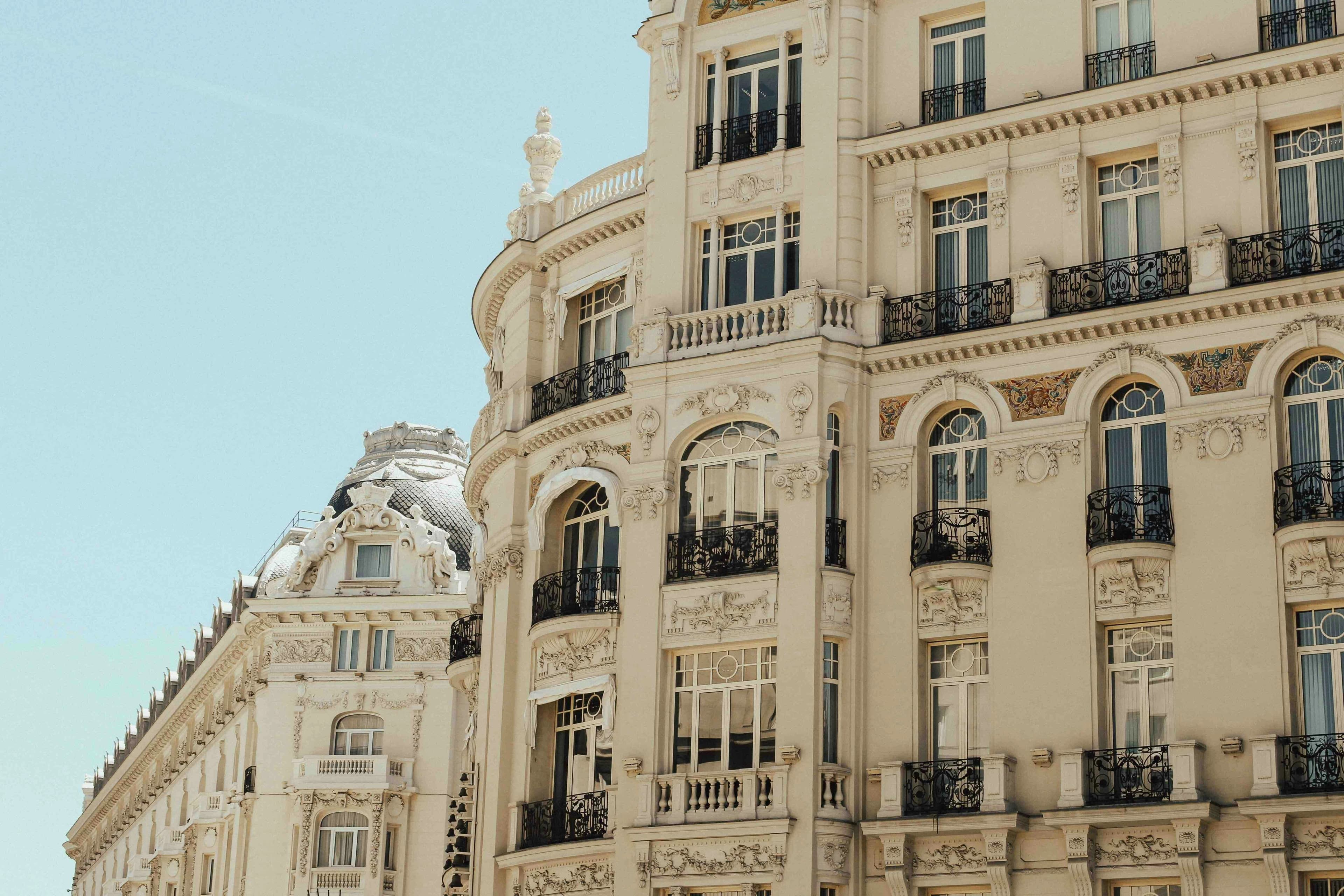
Madrid
16 hotels
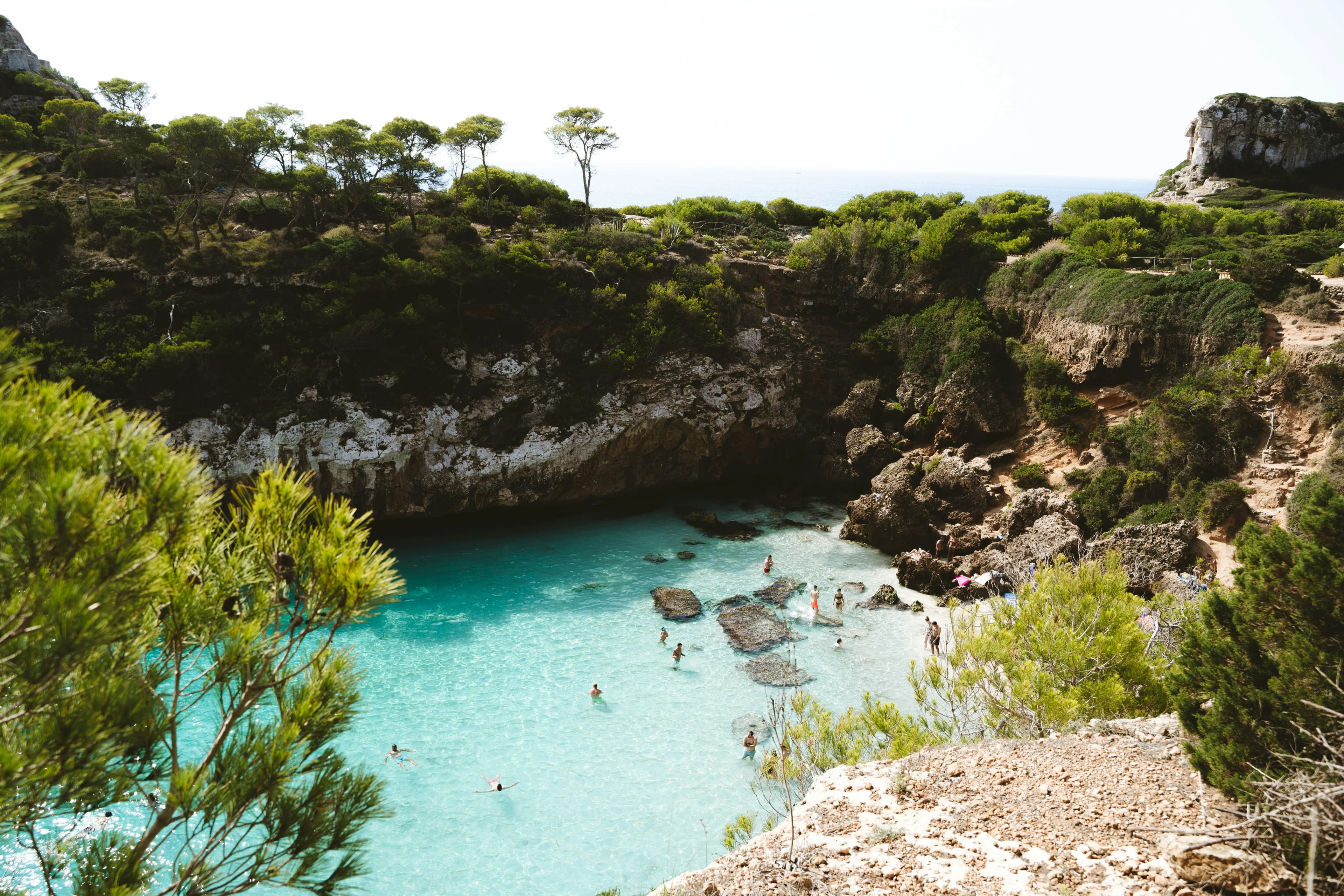
Mallorca (island)
24 hotels
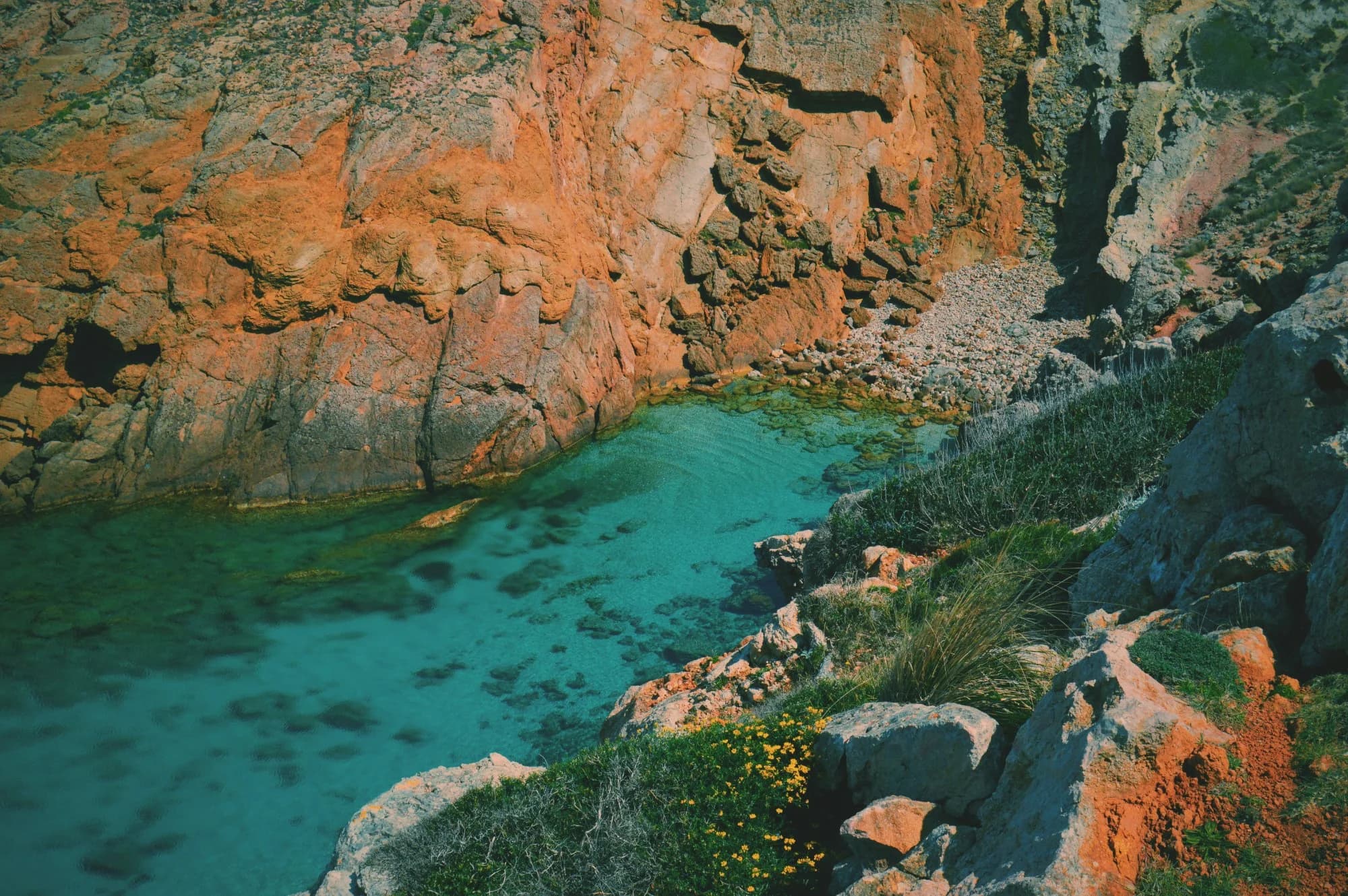
Menorca (island)
9 hotels
Murcia
0 hotel
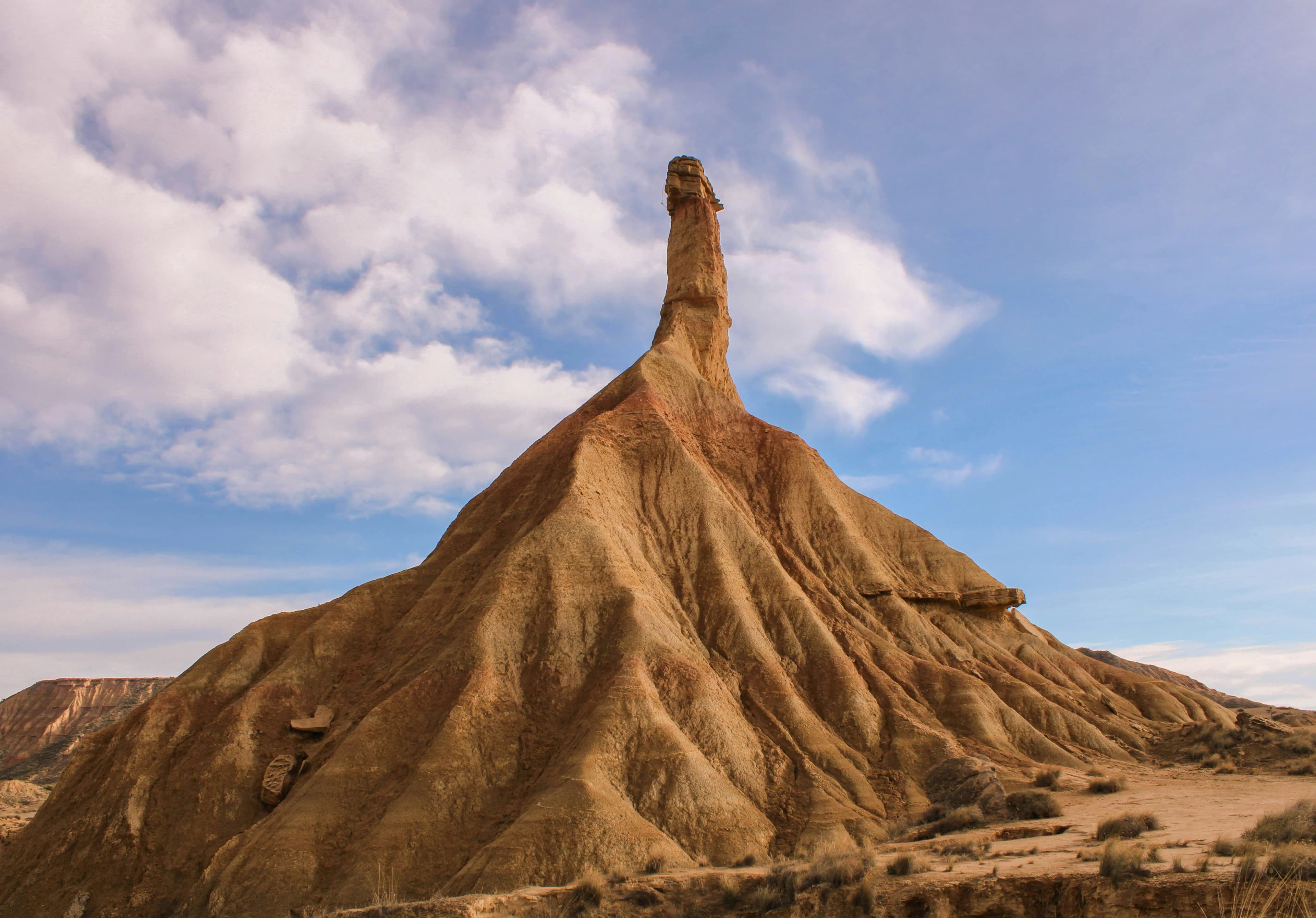
Navarre
2 hotels
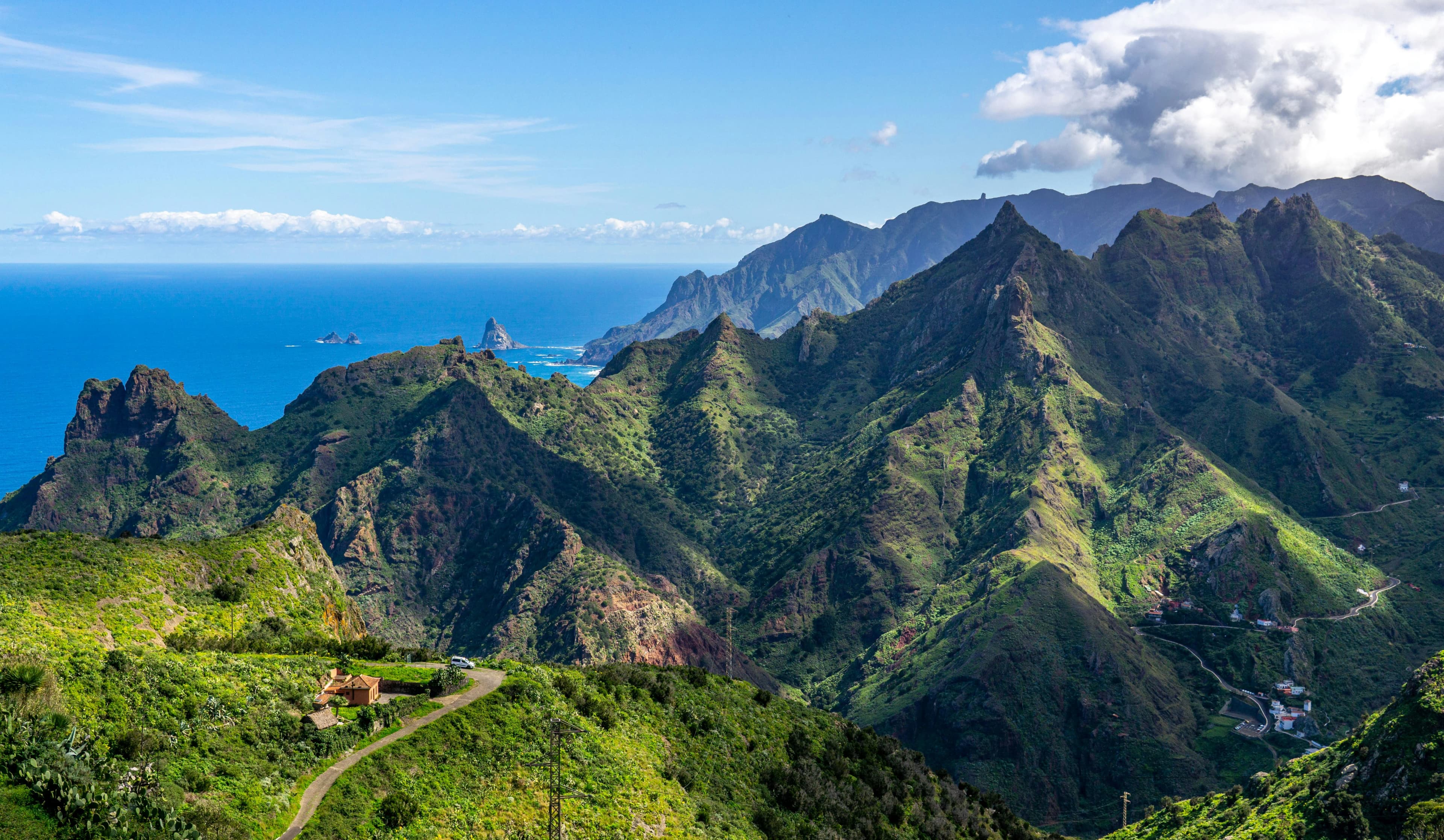
Tenerife (island)
1 hotel
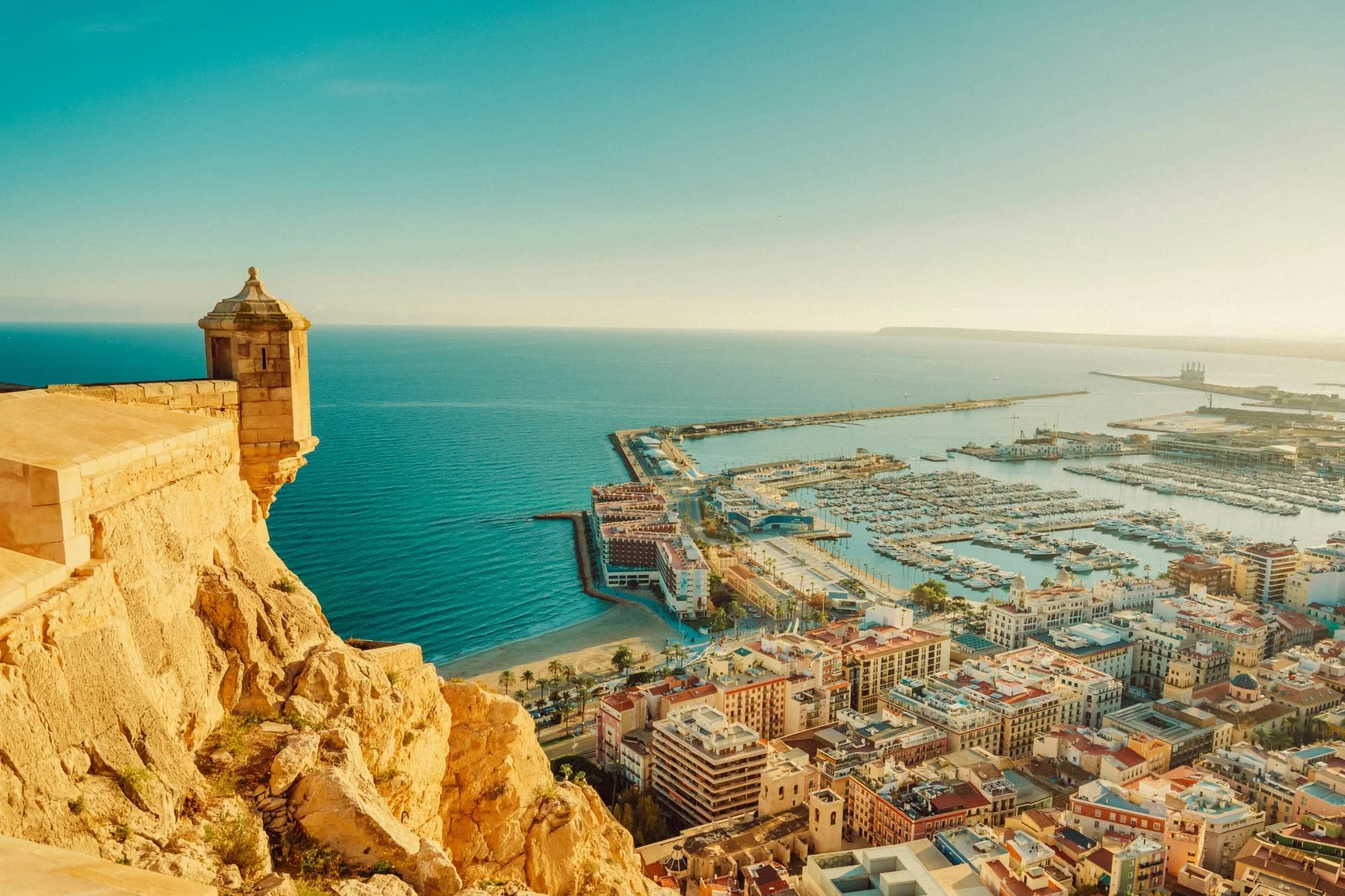
Valencian Community
1 hotel
Best Neighbourhoods for Luxury Suites in Spain
Eixample and El Born, Barcelona
Barcelona's Eixample district — the 19th-century grid designed by Ildefons Cerdà — remains the primary address for high-end hotels in the city. Wide octagonal intersections, generous ceiling heights, and access to the Passeig de Gràcia corridor define the physical context. Properties here occupy Modernista buildings with original ironwork and mosaic floors, often retrofitted with contemporary interiors. El Born, the medieval neighbourhood to the east, attracts a smaller cluster of design-forward boutique properties positioned closer to the Basílica de Santa Maria del Mar and the Picasso Museum. Both districts offer walkability to cultural infrastructure that matters to design-literate guests.
Recoletos and Salamanca, Madrid
Madrid's Recoletos axis — stretching from the Prado to the Cibeles fountain — is the institutional spine of Spanish luxury. The Salamanca district, immediately to the northeast, is the residential and commercial address of choice for the city's established wealth. Hotels in this corridor benefit from proximity to the Thyssen-Bornemisza, the Reina Sofía, and the city's most considered restaurant addresses. The architecture here is Bourbon-era and Belle Époque, with proportions that accommodate grand suite configurations naturally.
Santa Cruz and Triana, Seville
Seville operates on different terms. The Santa Cruz quarter, the former Jewish quarter of the city, is dense, labyrinthine, and immediate. Luxury hotels here are typically converted aristocratic palaces — known locally as palacios — with interior patios, azulejo tilework, and citrus gardens. The experience is immersive rather than panoramic. Triana, across the Guadalquivir, offers a less trafficked alternative with a more residential character, increasingly home to smaller boutique operations.
Golden Mile, Marbella and the Costa del Sol
Marbella's Golden Mile — the coastal stretch between the town centre and Puerto Banús — is Spain's most concentrated address for resort-format luxury. Properties here operate at scale, with private beach access, clinical spa infrastructures, and suite configurations designed for extended stays. The architectural language is Mediterranean contemporary, with an emphasis on horizontal planes, infinity edges, and direct sea orientation.
San Sebastián's Parte Vieja and La Concha
San Sebastián is compact and precise. The Parte Vieja (Old Town) and the La Concha promenade represent two distinct residential registers — one gastronomic and dense, the other formal and seafront. Luxury accommodation here is modest in scale but serious in execution, reflecting the city's identity as a culinary capital with a Basque design sensibility.
When to Visit Spain for Luxury Travel
Spain's climate is not uniform. Each region operates on a different seasonal calendar, and the timing of a visit affects both the physical experience and the social texture of the destination.
Spring (March to May)
The optimal window for most of Spain. Temperatures are moderate across the interior and south, the light is precise, and cultural programming reaches its annual peak. Seville's Semana Santa (Holy Week) and Feria de Abril are among the most architecturally and anthropologically significant public events in Europe — the former an austere religious procession, the latter a private social calendar conducted in casetas (private tents) on the fairground. Madrid's art season runs through spring, with major gallery openings and museum programming.
Early Autumn (September to October)
The preferred season for Barcelona and the northern coast. Temperatures recede from summer peaks, beaches clear of volume tourism, and the restaurant calendar resumes after August closures. The San Sebastián International Film Festival, held in late September, draws a culturally specific clientele and fills the city's best properties. Rioja's harvest season runs through October — relevant for guests combining the Basque Country with a wine itinerary.
Summer (June to August)
The Balearics — Ibiza, Mallorca, Formentera — operate on a June-to-September calendar. Luxury resort properties on these islands are designed for summer occupation. The Marbella coast similarly peaks in this window. Madrid and Seville in July and August are climatically demanding — temperatures in the interior regularly exceed 38°C — and the local population largely vacates. Guests visiting these cities in summer should select properties with exceptional climate control and pool infrastructure.
Winter (November to February)
Madrid in winter is underrated. The city's cultural and gastronomic life continues uninterrupted, room rates are lower, and the architectural quality of its major hotels is independent of season. Seville's winter is mild and dry, and the city's monuments — the Alcázar, the Cathedral, the Giralda — are accessible without the queuing infrastructure of peak season.
Local Luxury Standards: What Defines a Prestige Hotel in Spain
Spain does not operate a formal luxury designation equivalent to France's Palace label. The Secretaría de Estado de Turismo administers a national hotel classification system using the GL (Gran Lujo) category at the apex of the five-star tier, but this designation is applied inconsistently and does not function as a reliable quality signal in isolation.
In practice, the most meaningful markers of prestige in the Spanish market are: membership in the Leading Hotels of the World or Preferred Hotels & Resorts consortia; inclusion in the Relais & Châteaux network (primarily relevant for rural and boutique properties); Michelin recognition in the hotel restaurant; and — increasingly — independent editorial coverage in design and architecture publications. Properties that have been subject to significant architectural intervention by named firms (Foster + Partners, Rafael Moneo, Herzog & de Meuron) carry a distinct credibility in the design-literate segment. Historic building provenance — former royal residences, monastery conversions, 18th-century merchant palaces — functions as an implicit quality signal in Andalusia and Castile.
How to Choose the Best Suite in Spain: Practical Criteria
Suite selection in Spain requires attention to several variables that are not always legible from standard booking interfaces.
Orientation matters architecturally. In Barcelona, a suite on the upper floors of an Eixample building facing Passeig de Gràcia will offer a materially different spatial experience from one facing the interior courtyard — the latter often quieter but disconnected from the city's iconic streetscape. In Seville, the most considered suites are those organized around a private patio rather than an external view. Understand the building's typology before selecting by floor level alone.
Scale versus density. Spain has both large-format luxury hotels (150+ rooms, full resort infrastructure) and intimate properties of 20 to 40 keys. The experience differs fundamentally. Large properties offer anonymity, redundant service infrastructure, and leisure facilities. Smaller properties offer access to management, architectural coherence, and a more curated food and beverage program. Neither is categorically superior — the choice depends on the nature of the trip.
Seasonal versus year-round operations. Several of Spain's finest resort properties — particularly in the Balearics and on the Costa del Sol — operate on a seasonal calendar and close between November and March. Verify operational dates before booking shoulder or off-season travel.
Access to gastronomy. Spain's restaurant culture is one of the most sophisticated in the world. Properties with direct access to Michelin-starred dining — either in-house or within walking distance — represent a compounding value for guests whose itineraries are organized around food. San Sebastián, in particular, has a concentration of three-star restaurants per capita that has no parallel in Europe outside of a handful of French cities.
The Value of Curation: Why a Refined Selection Outperforms a Full Inventory
Spain lists thousands of five-star hotel properties across national and international booking platforms. The volume itself is the problem. At scale, search interfaces optimize for commission yield and review volume rather than architectural quality, spatial coherence, or the kind of granular service intelligence that defines genuinely exceptional hospitality.
La Suite's selection of 13 properties in Spain is deliberately constrained. Each entry has been assessed against criteria that standard classification systems do not capture: the quality of the suite configuration itself (not merely the room category), the architectural integrity of the building, the consistency of the service model across seasons, and the degree to which the property reflects something specific and irreducible about its location. A suite in Seville should be legibly Sevillian. A suite in Barcelona should carry the material memory of the building it occupies.
For the traveler whose time is finite and whose standards are precise, a curated selection eliminates the friction of elimination. It shifts the decision from filtering noise to choosing between genuinely differentiated options — each of which has already passed a threshold that most properties do not reach.