


Italy
The Best Hotel Suites in Italy
Italy's luxury hotel geography does not concentrate in a single urban centre. It distributes across a set of distinct corridors, each with its own logic of prestige.
Abruzzo
0 hotel
Amalfi Coast
22 hotels
Aosta valley
12 hotels
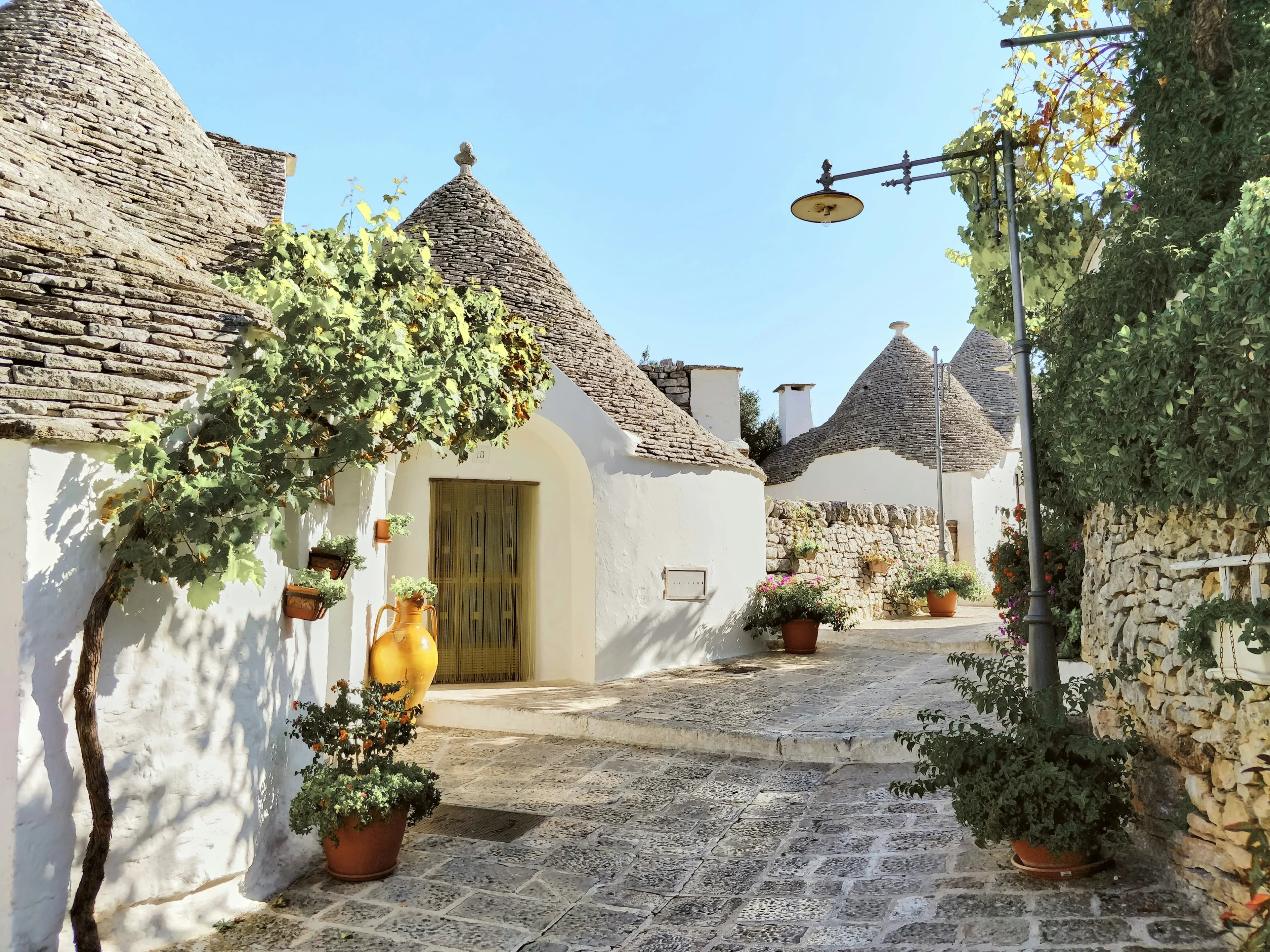
Apulia
10 hotels
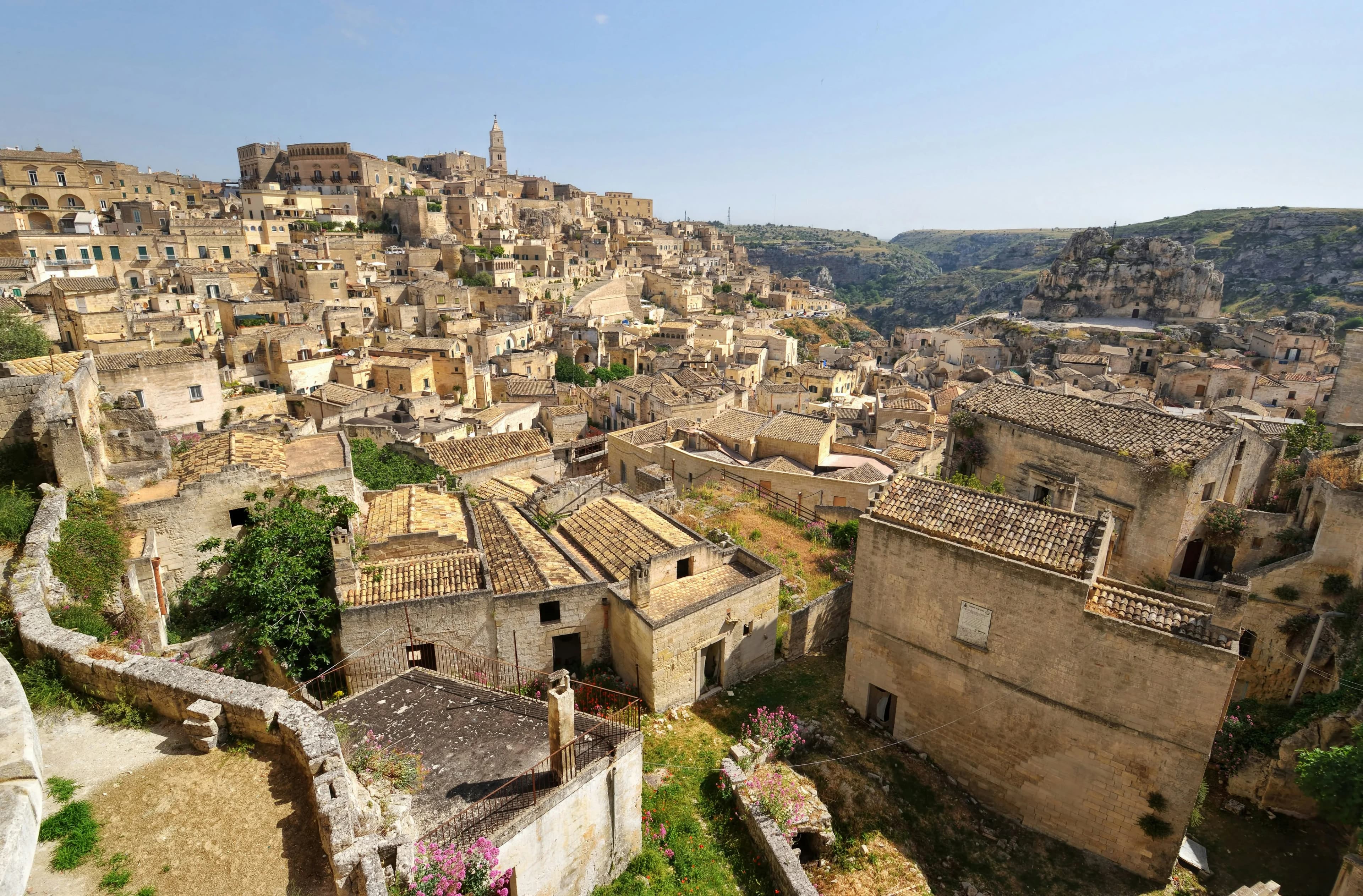
Basilicata
3 hotels
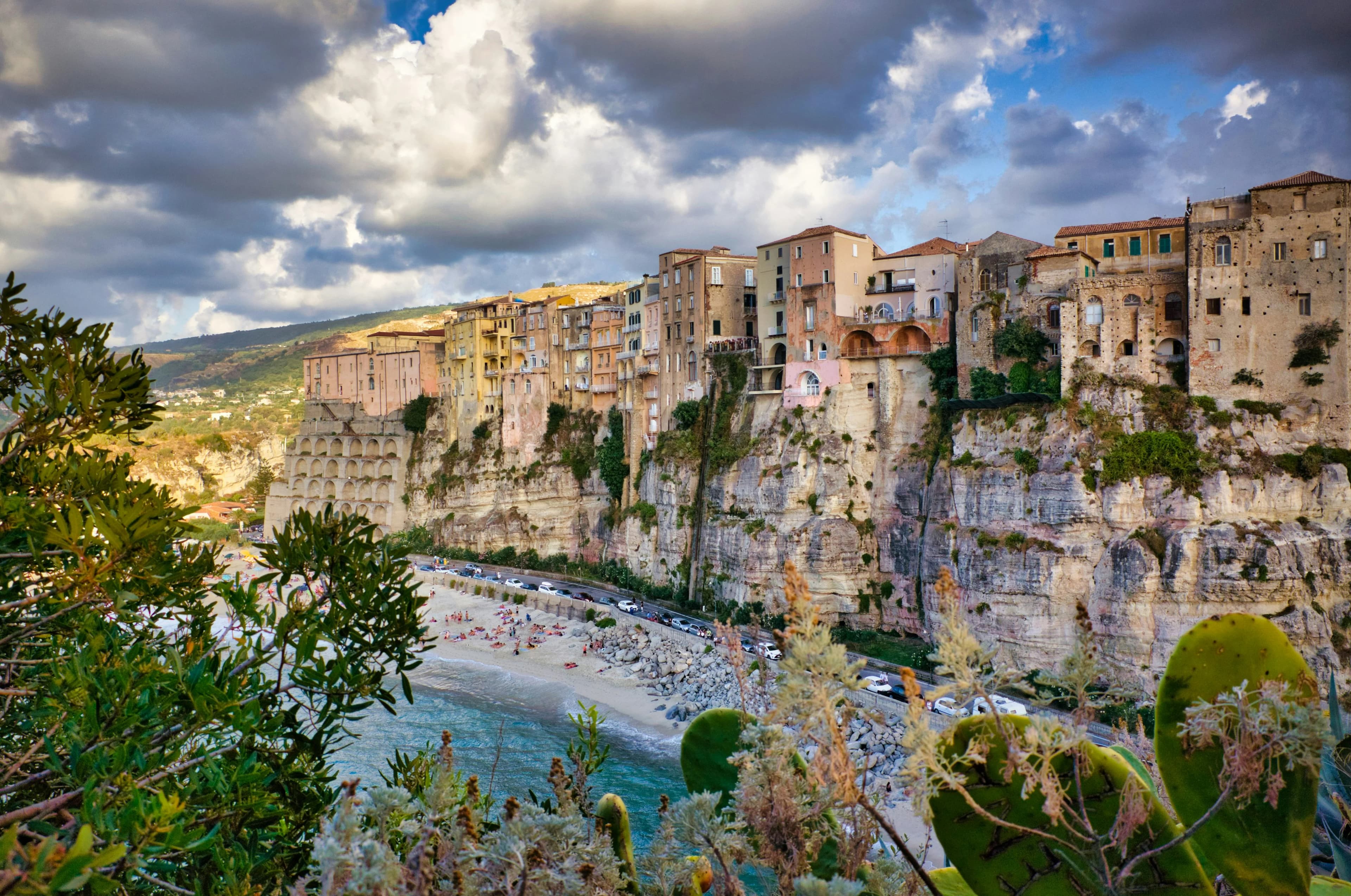
Calabria
1 hotel
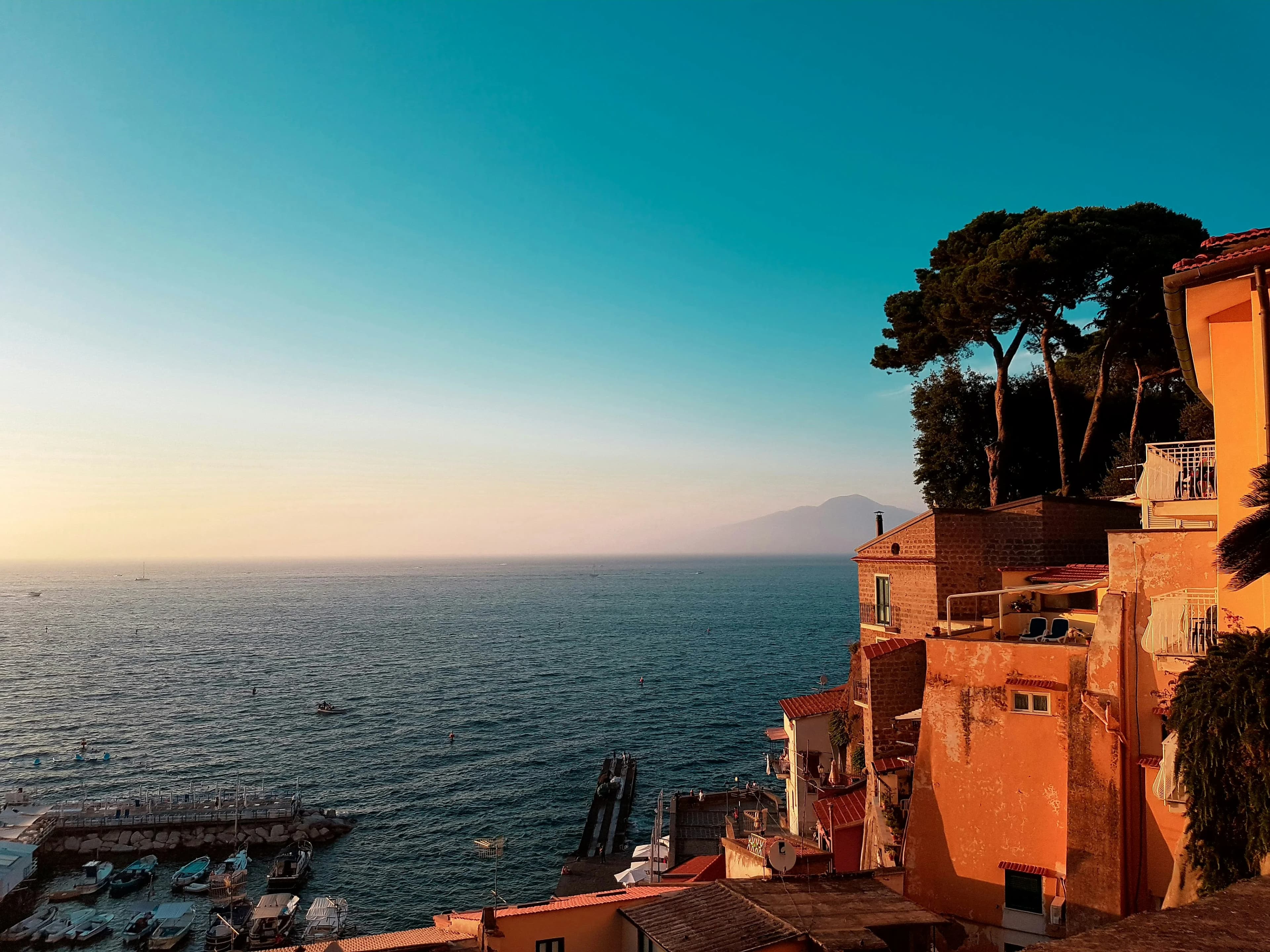
Campania
24 hotels

Dolomites
28 hotels
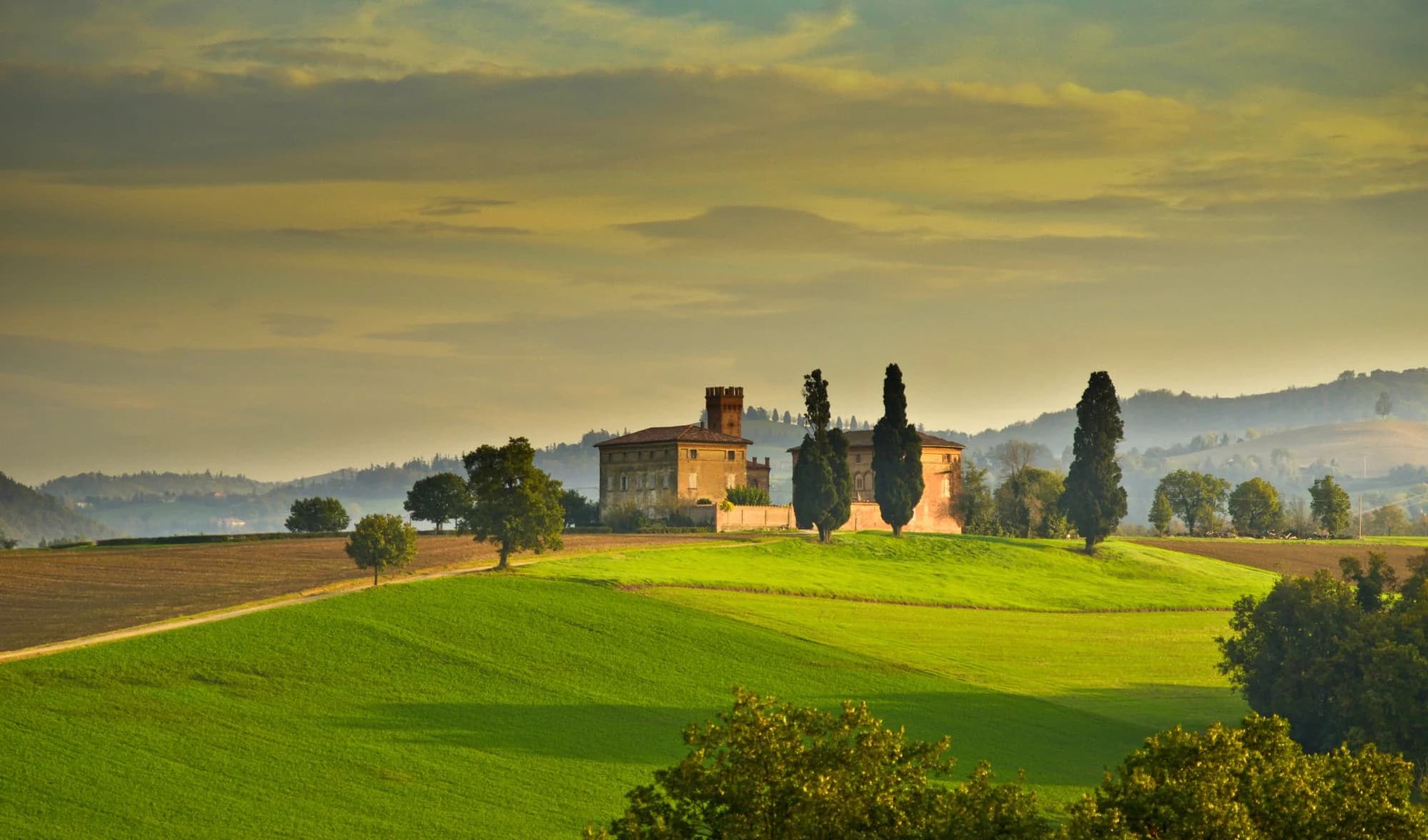
Emilia-Romagna
24 hotels
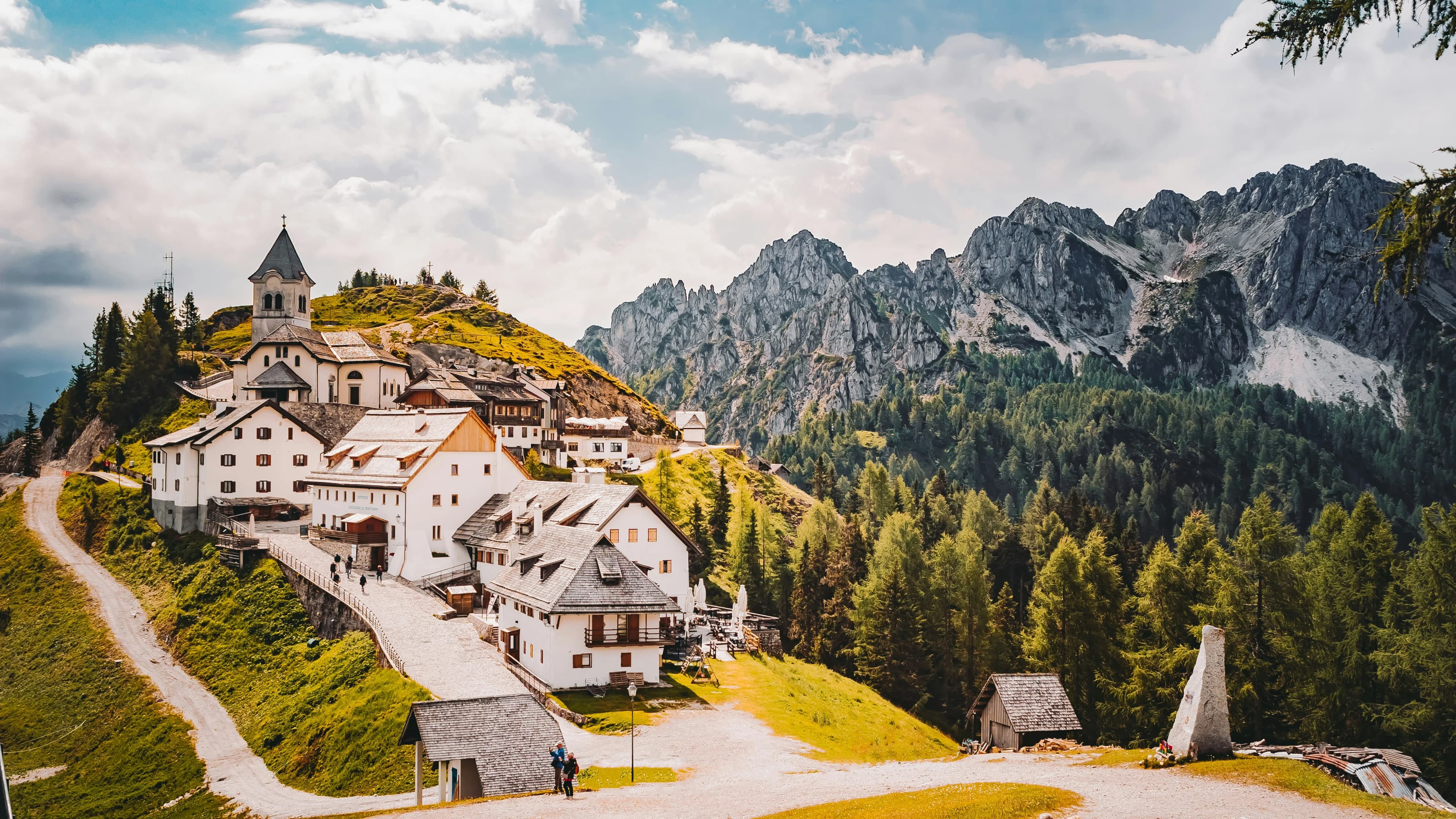
Friuli-Venezia Giulia
5 hotels
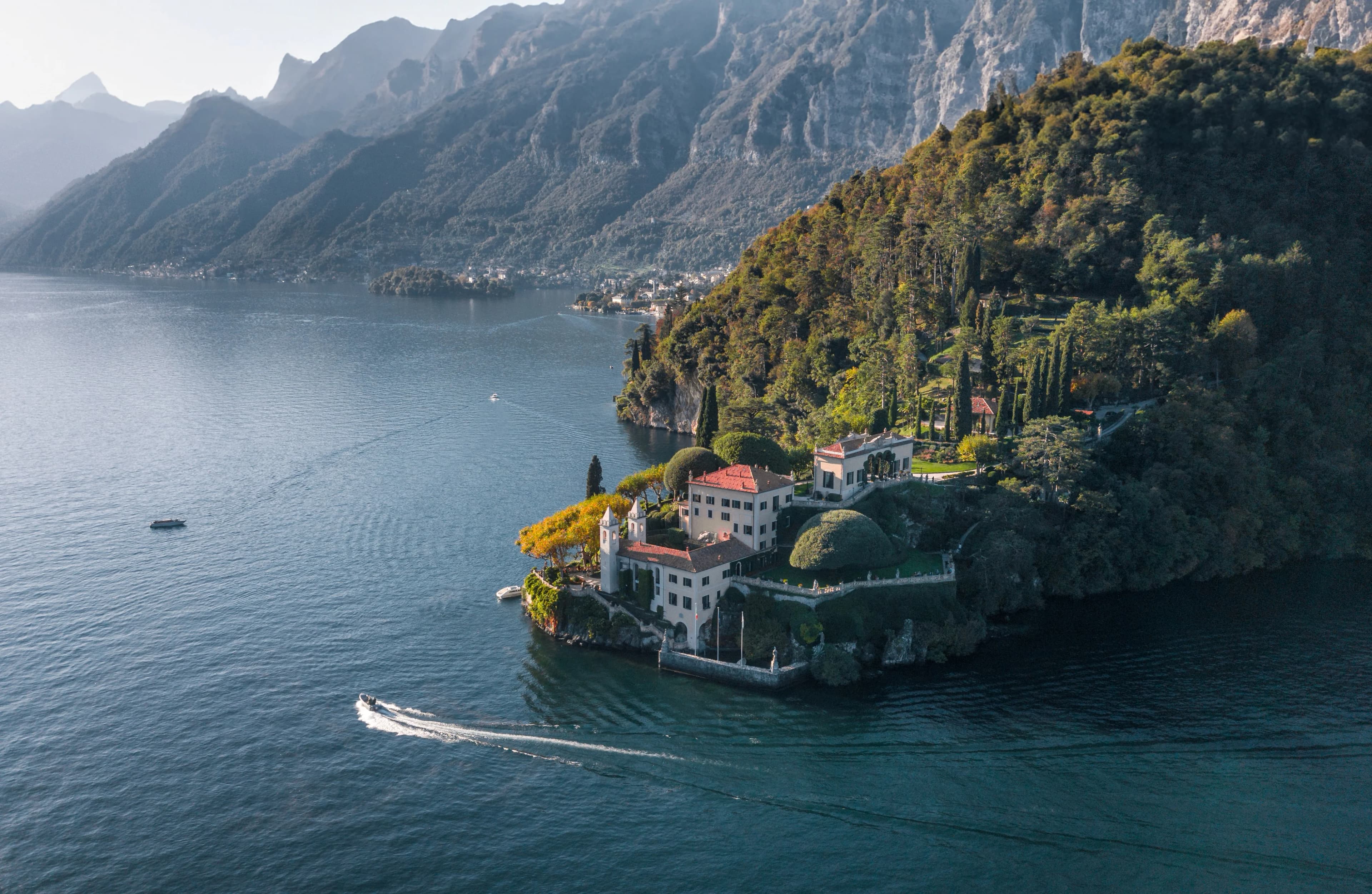
Lake Como
21 hotels
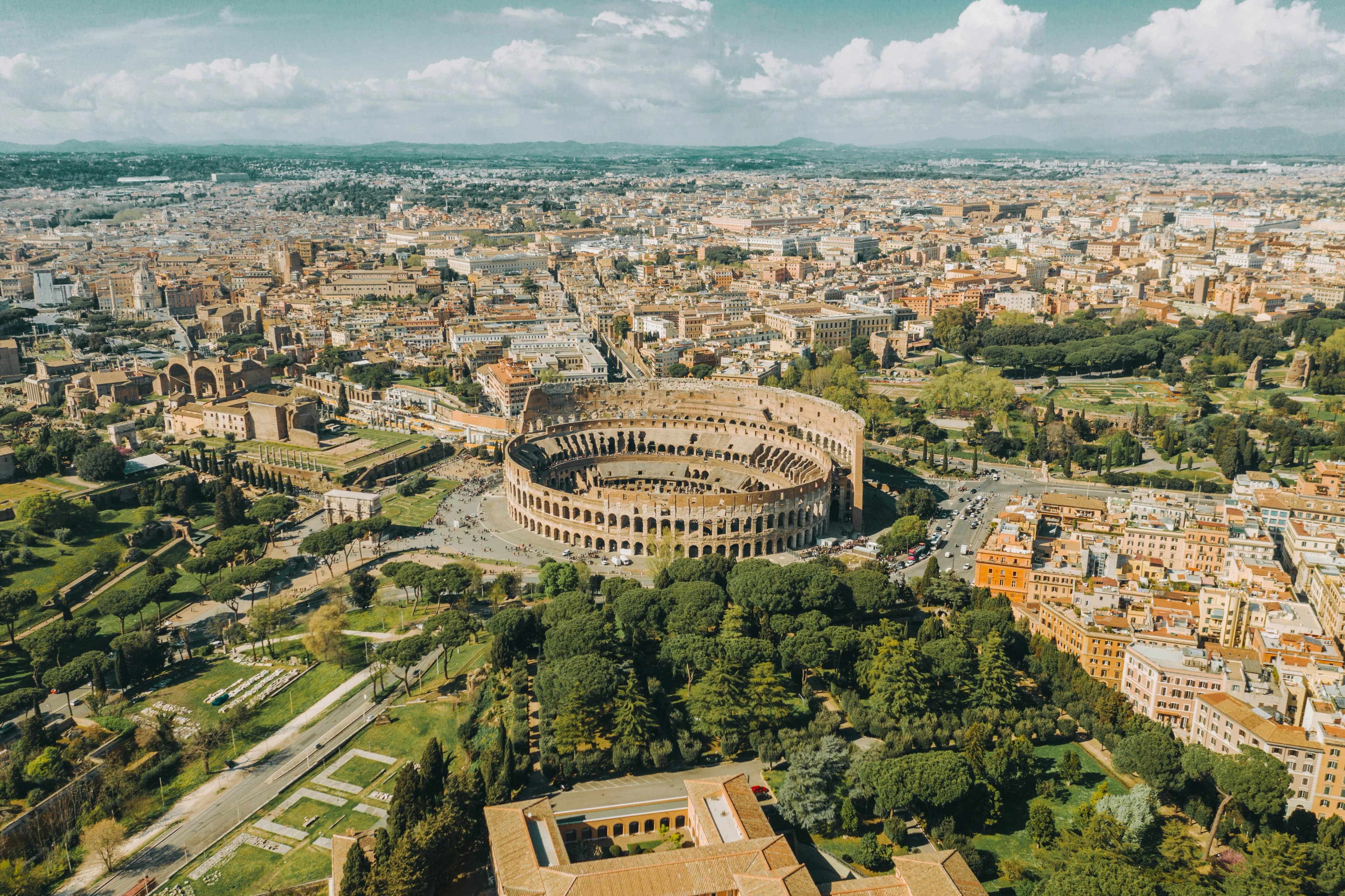
Lazio
26 hotels
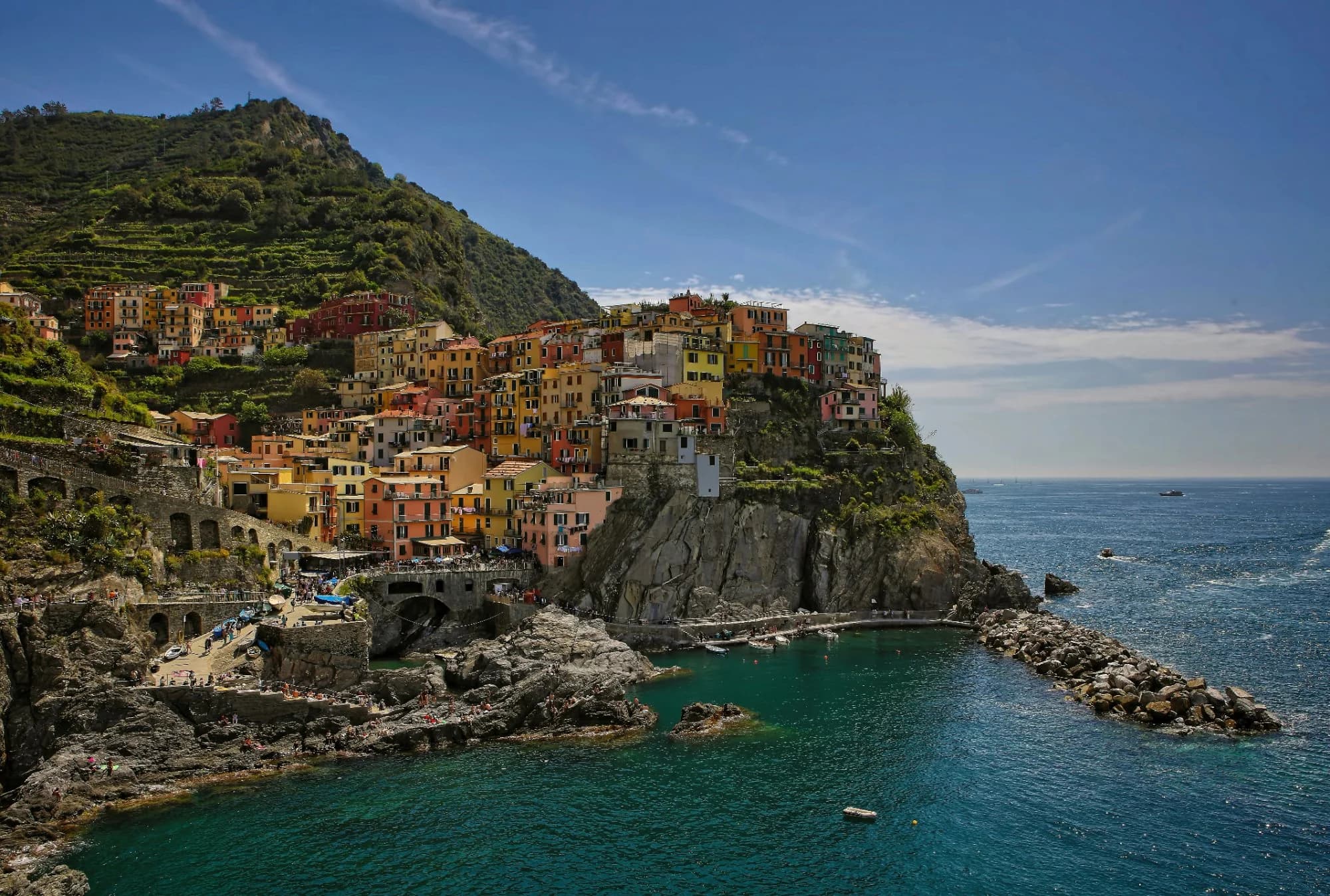
Liguria
8 hotels
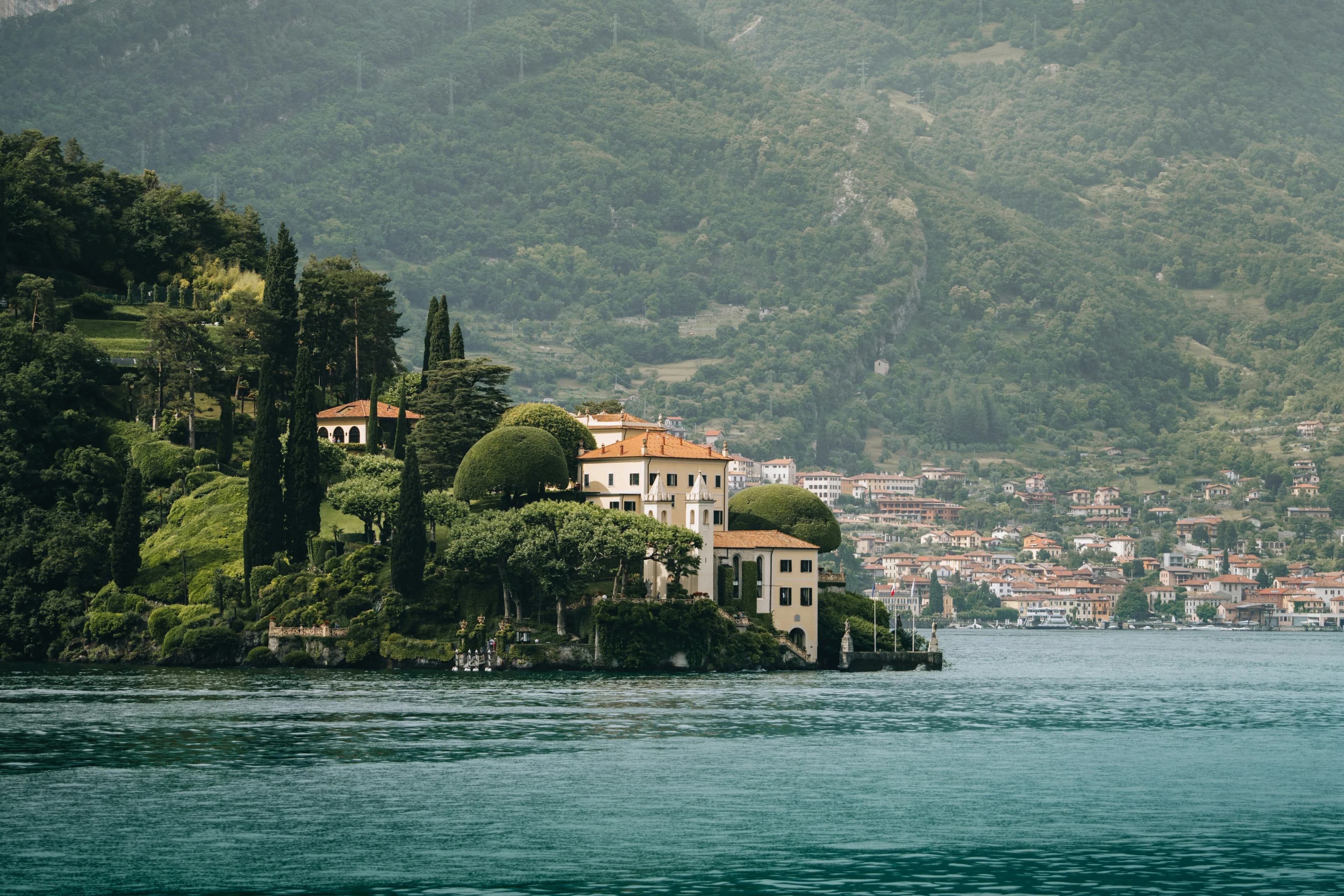
Lombardy
54 hotels
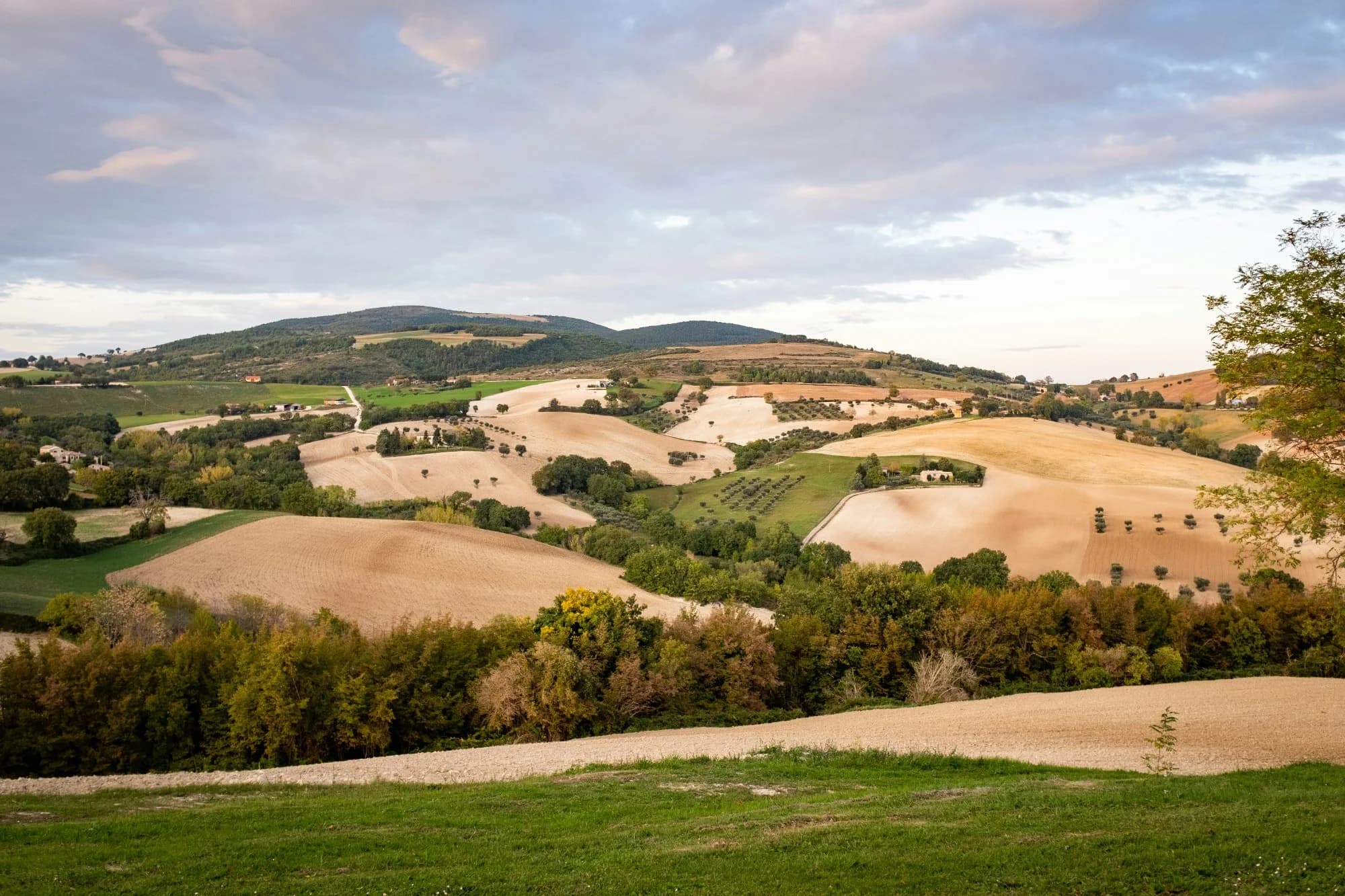
Marche
1 hotel
Milan
11 hotels
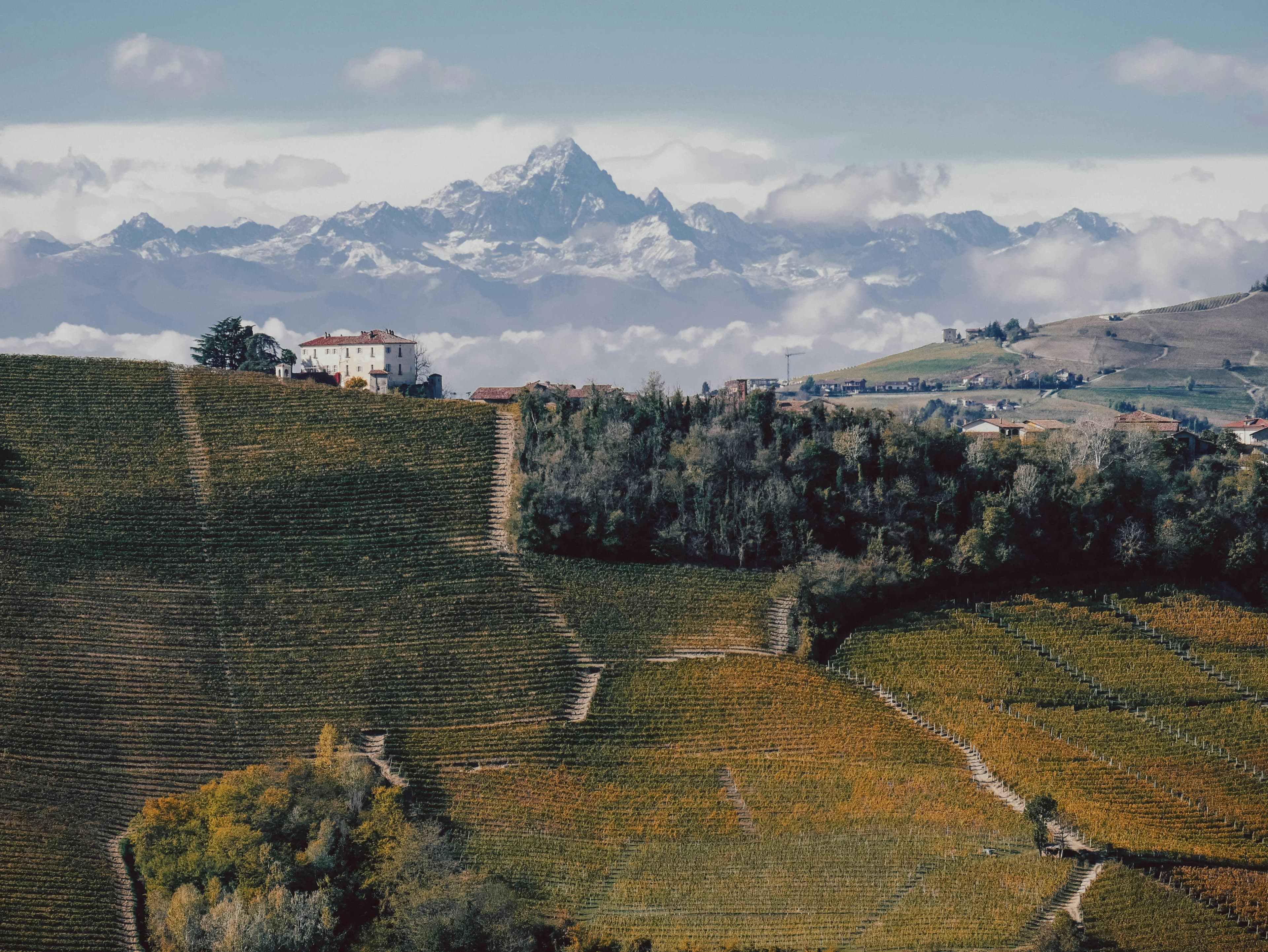
Piedmont
74 hotels
Rome
24 hotels
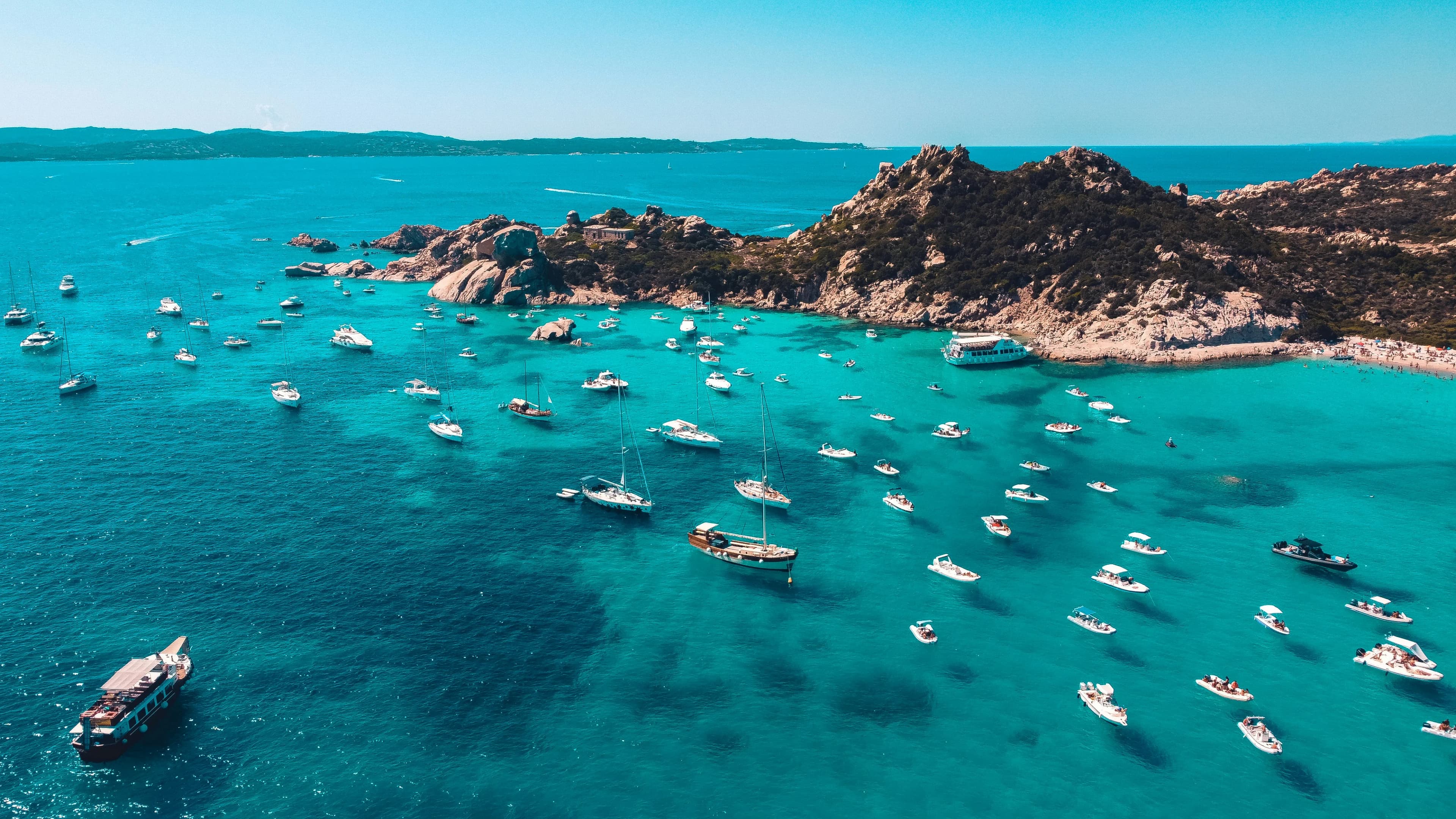
Sardinia
13 hotels
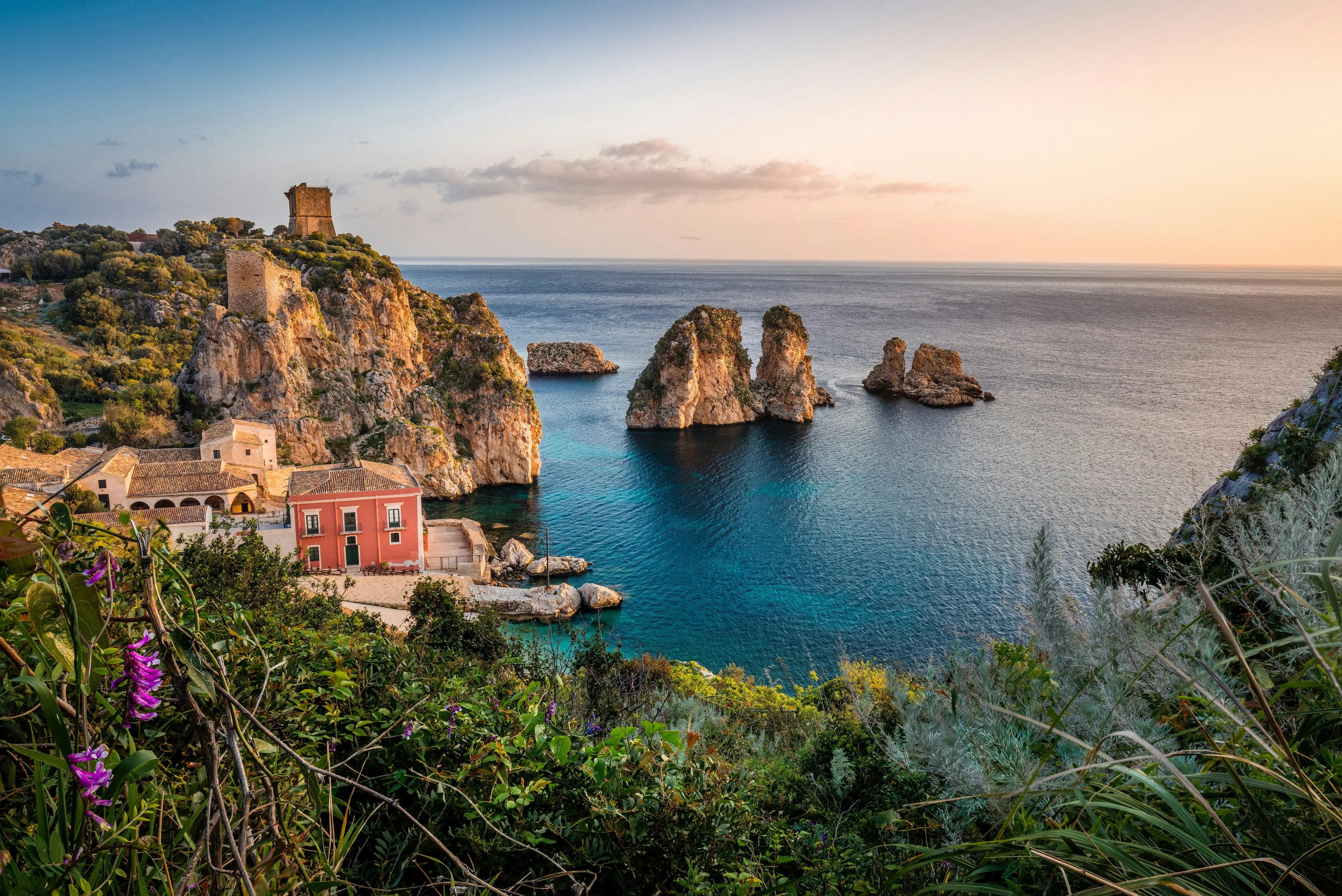
Sicily
38 hotels

Trentino-South Tyrol
30 hotels
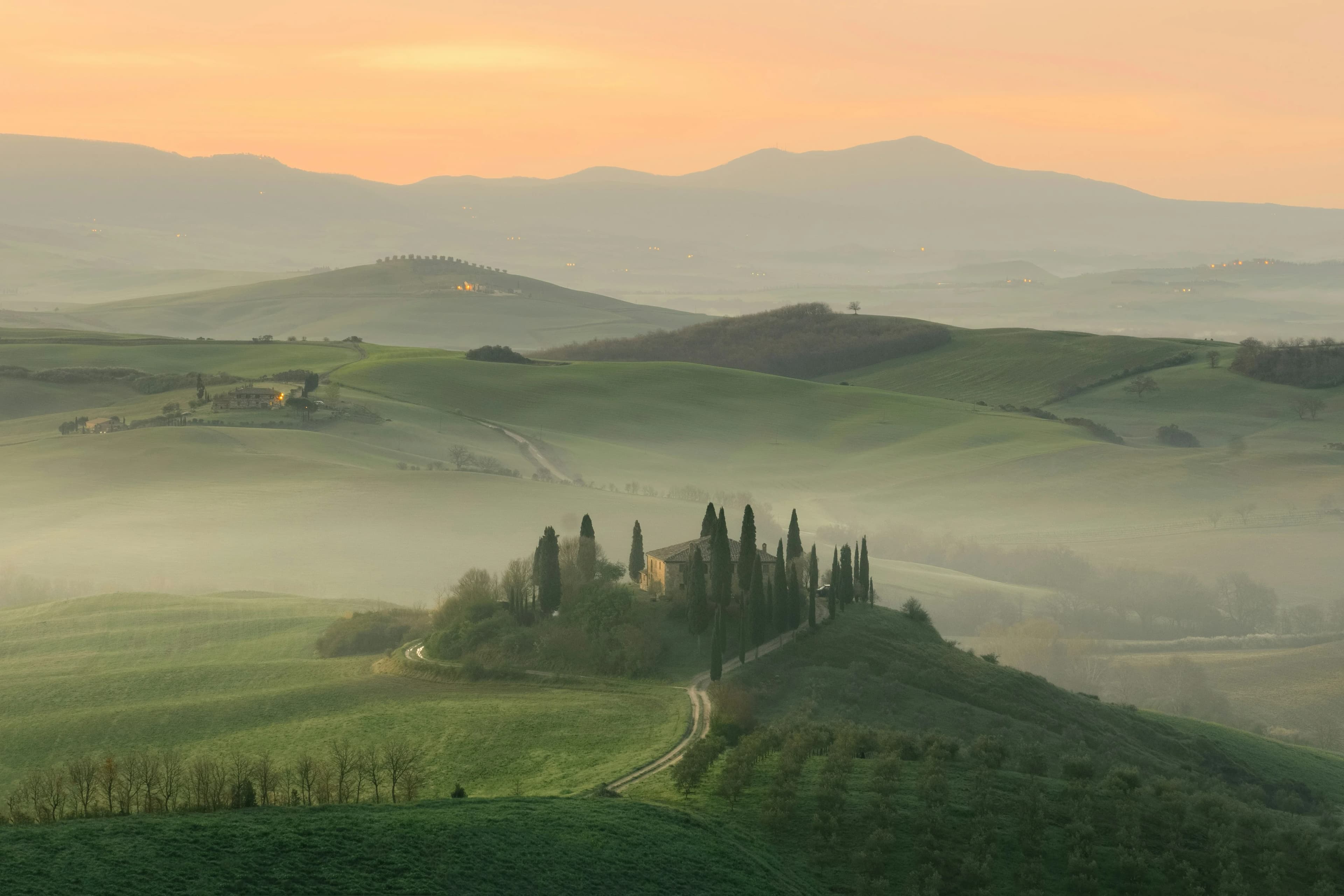
Tuscany
40 hotels
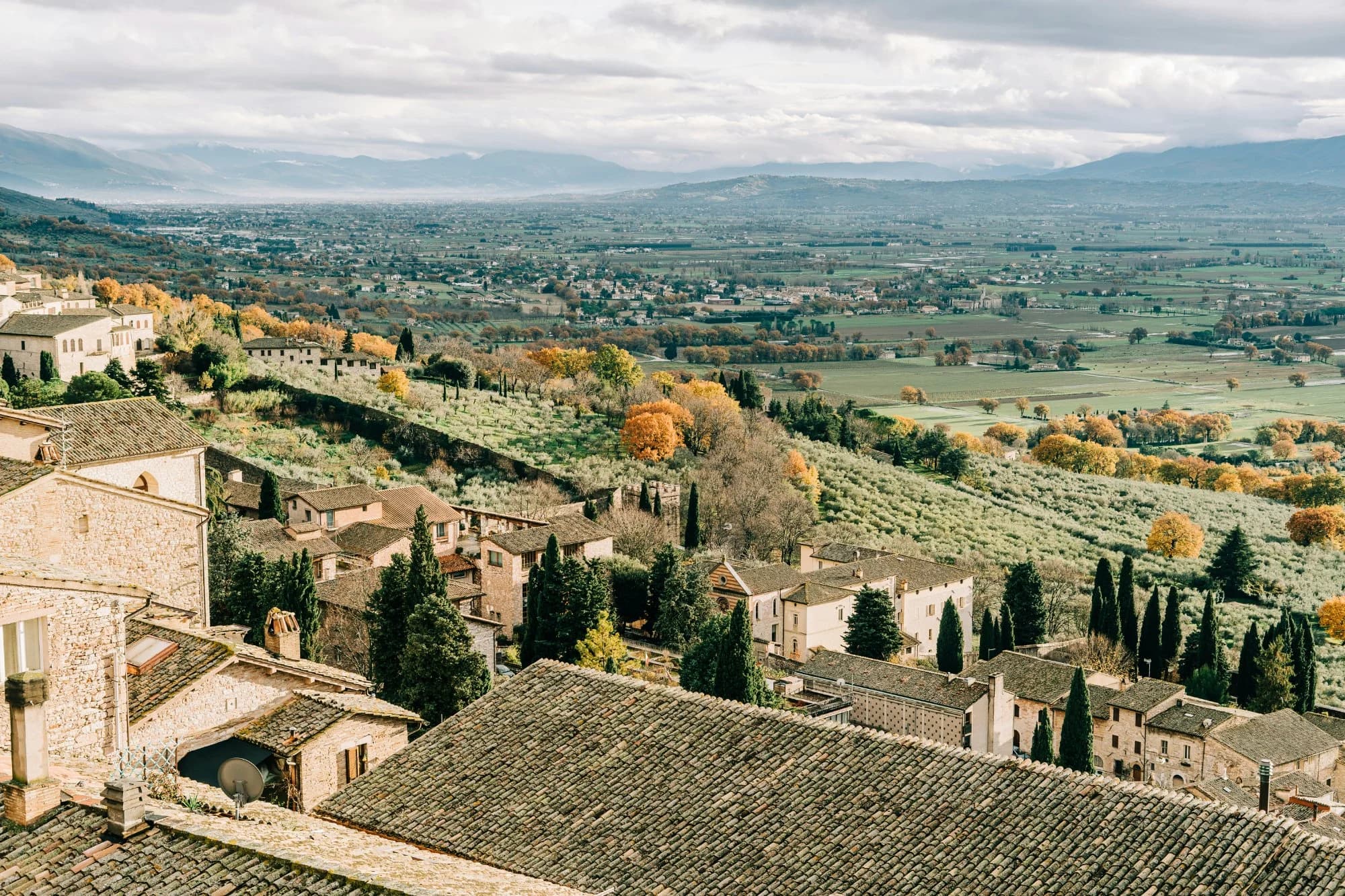
Umbria
5 hotels
Veneto
33 hotels
Venice
8 hotels
Best Neighbourhoods and Locations for Luxury Suites in Italy
Rome: Historic Centre and the Via Veneto Axis
The most significant suite addresses in Rome cluster around the historic centre — the area bounded by the Pantheon, Piazza Navona, and the Spanish Steps — and along the Via Veneto, which has housed the city's grand hotel tradition since the early twentieth century. Properties in this zone occupy former aristocratic palaces, papal residences, and merchant banking headquarters. The spatial generosity of these buildings, with piano nobile floors and internal courtyards, allows for suites of unusual volume. The Parioli district, quieter and more residential, hosts a smaller number of properties that trade on discretion over visibility.
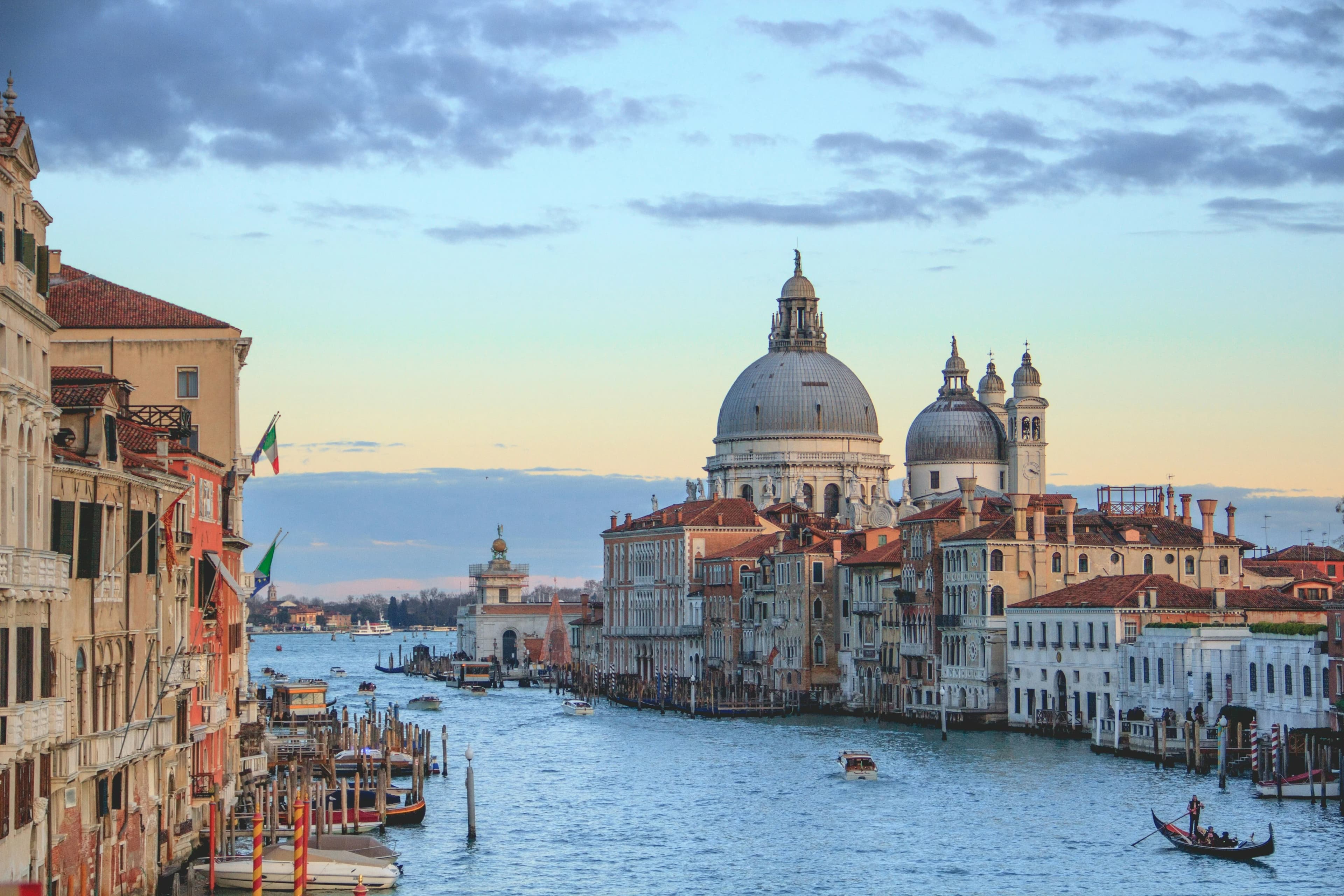
Venice: The Grand Canal and Giudecca
Venice's suite geography is inseparable from its waterway architecture. The Grand Canal palazzi — many of which shifted from private family ownership to hotel use across the twentieth century — represent the defining benchmark. Floors here are identified by their historical names: the piano nobile remains the prestige level, with the highest ceilings, the most elaborate plasterwork, and the most direct canal exposure. The island of Giudecca, across the Giudecca Canal from San Marco, offers an alternative typology: larger footprints, restored industrial and monastic structures, and views back toward the city rather than into it.
Milan: Brera, Montenapoleone, and the Historic Centre
Milan's luxury hotel concentration aligns with its fashion and design districts. Brera, the gallery quarter, and the streets immediately surrounding Via Montenapoleone and Via della Spiga host properties designed to serve a clientele arriving for fashion weeks, design fairs, and private sales. The architectural language here is more restrained than in Rome or Venice — neoclassical facades, rationalist interiors, and a consistent preference for craftsmanship over ornament. Suites in this zone are frequently the product of significant interior design commissions.
Tuscany: Florence, the Chianti Corridor, and the Coast
Florence concentrates its finest properties along the Arno and in the immediate surroundings of the Duomo and Palazzo Pitti. The Oltrarno district, south of the river, has produced a number of more intimate properties in restored Renaissance structures. Beyond the city, the Chianti corridor — running south toward Siena — is defined by converted farmhouse estates and former wine-producing properties. The Tuscan coast, particularly the Argentario promontory and the island of Elba, offers a smaller number of marine properties where the design brief prioritises landscape integration over architectural statement.
The Italian Lakes: Como, Maggiore, and Garda
Lake Como is the reference point for Italian lakeside luxury, with a continuous grand hotel tradition dating to the nineteenth century. Properties here occupy Belle Époque villas with terrace gardens descending to the water, and the suite standard reflects that inheritance: large rooms, lake-facing orientation, and a measured formality in service. Lake Maggiore and Lake Garda offer comparable spatial ambition in a less concentrated market.
The Amalfi Coast and Capri
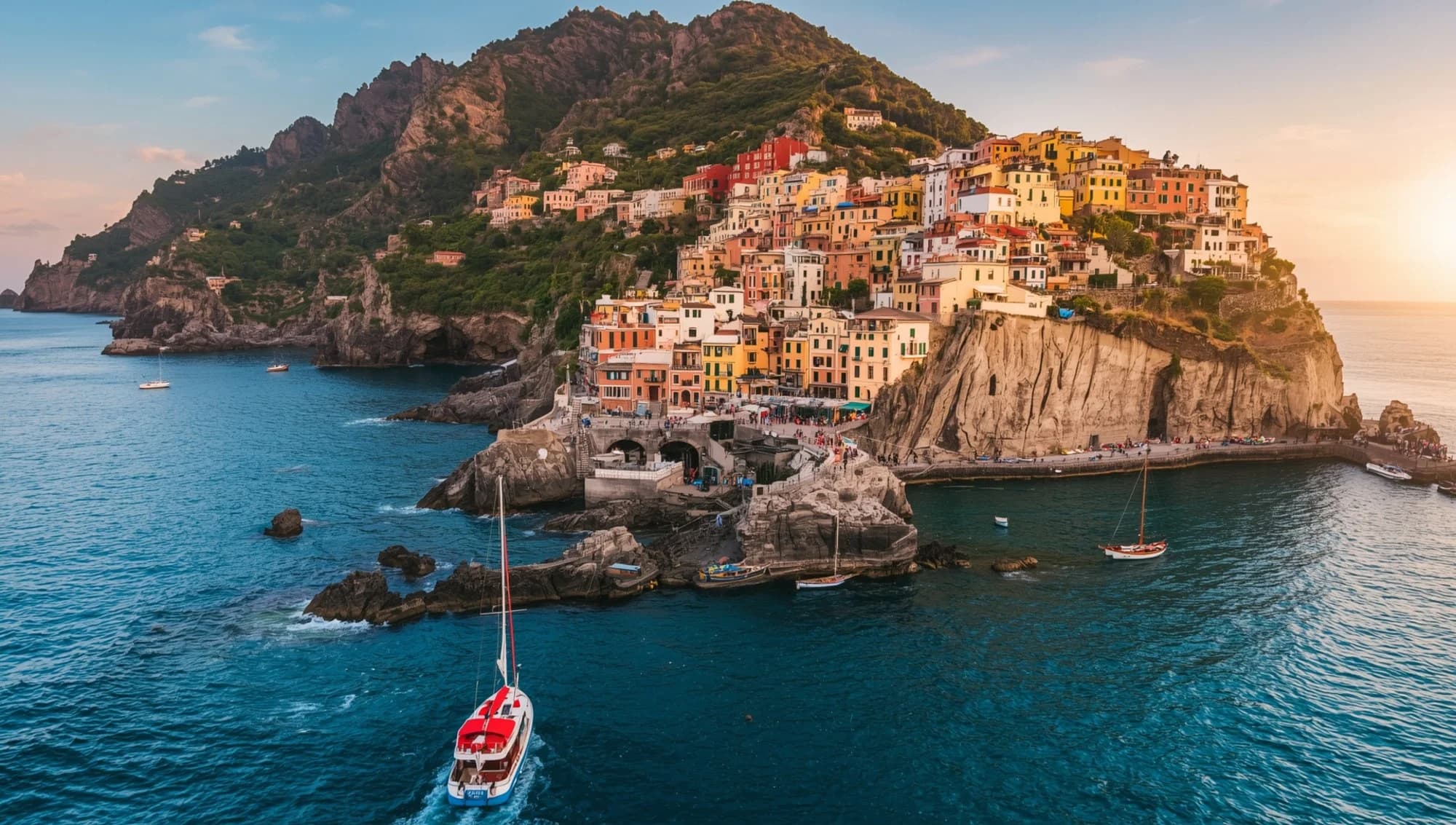
The vertical topography of the Amalfi Coast produces a distinctive suite typology: rooms carved into cliffsides, terraces cantilevered over the sea, and property access that frequently requires boat or funicular. Ravello, at elevation, and Positano, built directly into the rock face, are the two primary nodes. Capri's suite market is smaller and more compressed, with the highest-tier properties concentrated above the town of Anacapri and along the eastern cliffs.
When to Visit Italy for a Luxury Hotel Stay
Italy's peak luxury travel season runs from late April through early October, but the optimal window varies significantly by geography and purpose.
For Rome and Florence, the months of April, May, and October represent the strongest combination of moderate temperatures, reduced street-level congestion, and full hotel service availability. August in Rome sees a partial closure of the city's commercial and cultural life, though the grand hotels maintain operation at full standard. Florence in July and August concentrates heat and visitor volume simultaneously; the Uffizi and the principal churches operate on extended hours, but the thermal conditions are demanding.
Venice is most atmospheric — and most functional — in October, November, and early March, outside the acqua alta season's most disruptive peaks. The Carnevale period in February draws significant visitor concentration; the Biennale years (architecture in even years, art in odd years) extend the cultural-season logic into late November.
Milan's luxury hotel market responds to its trade calendar: the Salone del Mobile in April and the fashion weeks in February and September represent demand peaks where suite availability is limited months in advance. Outside these windows, the city operates at a more accessible pace.
The Amalfi Coast and the Italian Lakes operate on a compressed season from May to late September, with many properties closing entirely between November and March. The shoulder months of May and September offer the best balance of open amenities and manageable visitor numbers.
Understanding Italian Luxury Hotel Classifications
Italy does not operate a national equivalent of the French Palace designation or the UK's Forbes five-star system. The official Italian hotel classification runs to five stars, with a five-star L (Lusso) tier theoretically distinguishing the highest-specification properties. In practice, this designation has limited market resonance; the properties that define the top of the Italian market are more accurately identified through their membership in the Leading Hotels of the World, Relais & Châteaux, and The Luxury Collection, or through their individual heritage and ownership structures.
Several Italian properties operate under the Historic Hotels of Europe or Grandi Alberghi Storici designations, which signal a verifiable architectural and operational history rather than a contemporary quality assessment. For suites in particular, these heritage designations are meaningful: they indicate that the room you are occupying has been maintained within an original spatial context rather than constructed as a new-build addition.
The family-owned grand hotel — common on the lakes and along the coast — operates with a set of service standards that differ structurally from chain-managed properties. Staff tenure, kitchen autonomy, and the idiosyncratic character of individual suites tend to be higher; operational consistency and loyalty programme integration tend to be lower. Neither profile is superior in absolute terms; the distinction matters for the type of experience being prioritised.
How to Choose the Best Suite in Italy
The primary variable in Italian suite selection is the building's original architectural function. A converted palazzo will offer different spatial logic — higher ceilings, thicker walls, original fresco or stonework — than a purpose-built grand hotel. A restructured monastery will prioritise silence, courtyard orientation, and a particular quality of diffused light. Understanding what the building was before it became a hotel is the most reliable guide to what the suite will actually feel like.
Floor position is consistently significant. The piano nobile in a palazzo, the top floor in a grand hotel with terrace access, and the ground-floor rooms in a lakeside property with private garden or dock access each represent a distinct premium that is not always reflected proportionally in rate. Requesting specific floor confirmation at the time of booking — rather than accepting a floor assignment on arrival — is standard practice at this level of the market.
View orientation deserves more deliberate attention in Italy than in most other luxury markets. Canal exposure in Venice, lake-facing versus garden-facing in Como, sea-facing versus hillside in Positano: these are not equivalent options. The suite rate may not always reflect the view differential, particularly at smaller properties where two suites of similar specification occupy fundamentally different positions in the building.
Service architecture — the ratio of staff to guests, the availability of a dedicated suite butler, the kitchen's capacity to accommodate specific dietary protocols — varies significantly across the Italian market. Properties affiliated with major international groups tend to operate standardised service models; independent properties at the top of the market often offer a more bespoke but less codified approach.
The Value of a Curated Selection in the Italian Market
Italy lists thousands of properties at the five-star classification level. The designation is a necessary but insufficient filter. The suite market specifically — which is what La Suite addresses — requires a different analytical framework: architectural provenance, spatial quality, the specific character of the suite product within a given property, and the operational consistency of high-touch service delivery.
The 28 properties identified by La Suite represent a working set: hotels where the suite is the property's primary design commitment, not an afterthought. The selection deliberately excludes properties where the headline suite is exceptional but the surrounding service infrastructure does not sustain that standard. It also excludes properties where the marketing language outpaces the physical reality.
For a market as geographically complex and historically rich as Italy, a curated selection functions as an editorial position: it argues that not every acclaimed address is appropriate for every traveller, and that the quality of guidance is inseparable from the quality of the stay.
Frequently Asked Questions About Luxury Hotel Suites in Italy
What is the difference between a suite in a converted palazzo and a purpose-built grand hotel in Italy?
Converted palazzi typically offer original architectural features — frescoed ceilings, stone floors, original proportions — that cannot be replicated in purpose-built structures. Purpose-built grand hotels, by contrast, tend to offer more consistent room standards, modern mechanical infrastructure, and service systems designed specifically for hospitality use from the outset.
Which Italian city has the highest concentration of top-tier hotel suites?
Rome and Venice have the highest concentration of properties with verifiable architectural heritage and established suite offerings at the top of the market. Milan leads in terms of contemporary design investment and proximity to Italy's luxury goods and design industries.