


United Kingdom
Luxury Hotel Suites in the United Kingdom
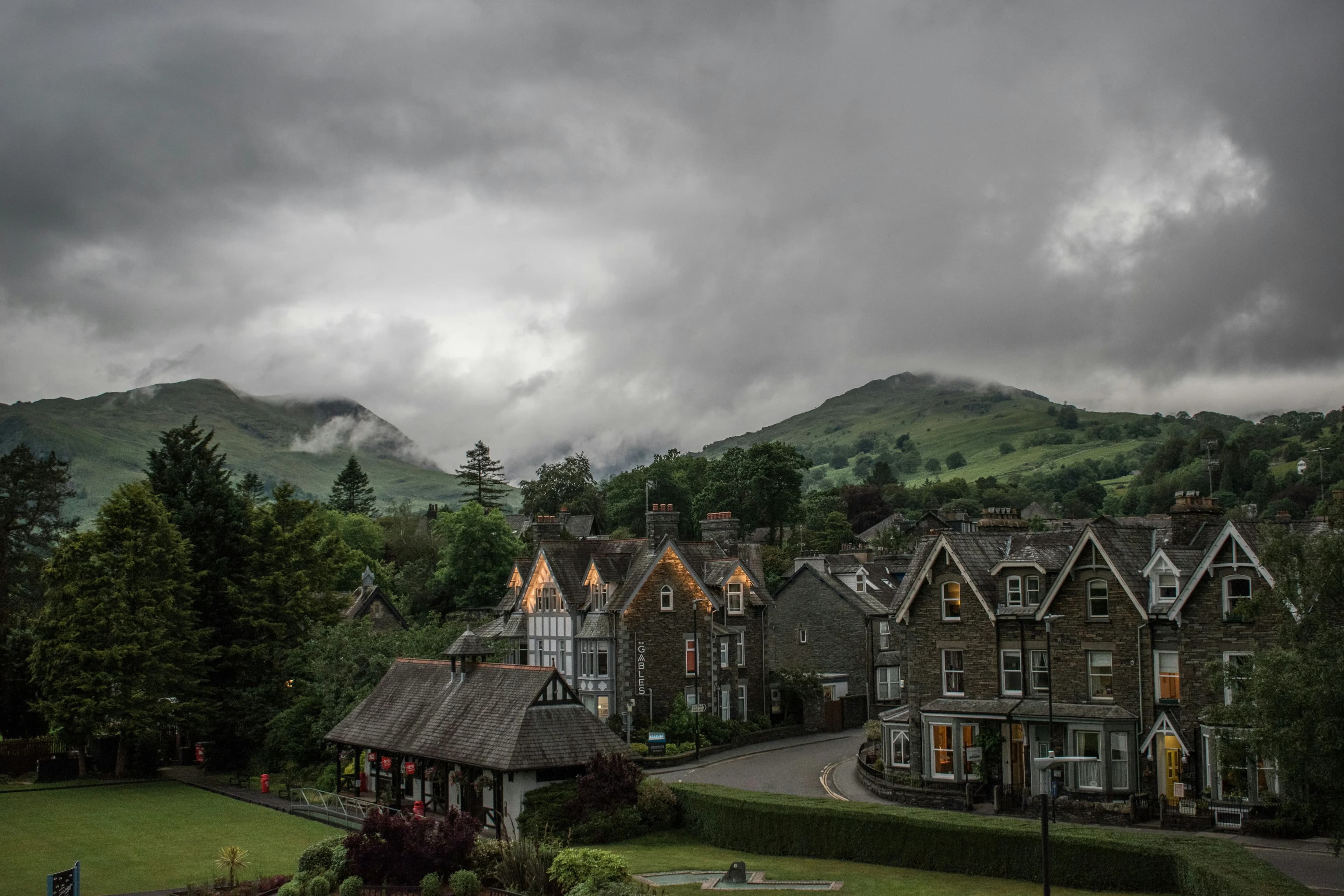
Understanding the UK's luxury accommodation landscape requires a geographic sensibility. The country's most distinguished properties are concentrated in specific urban and rural pockets, each with its own character and offer.
Bedfordshire
0 hotel
Berkshire
7 hotels
Buckinghamshire
1 hotel
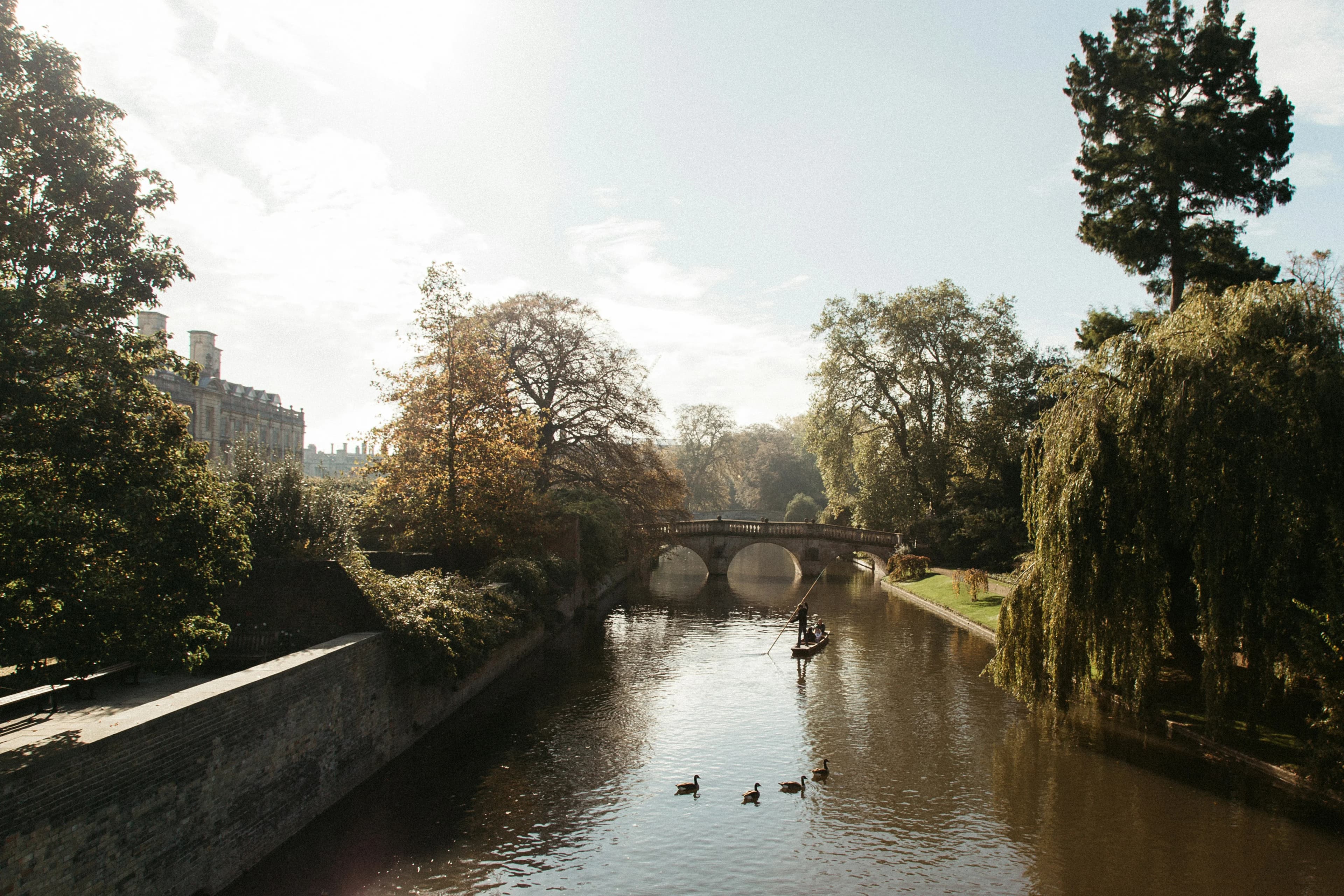
Cambridgeshire
0 hotel
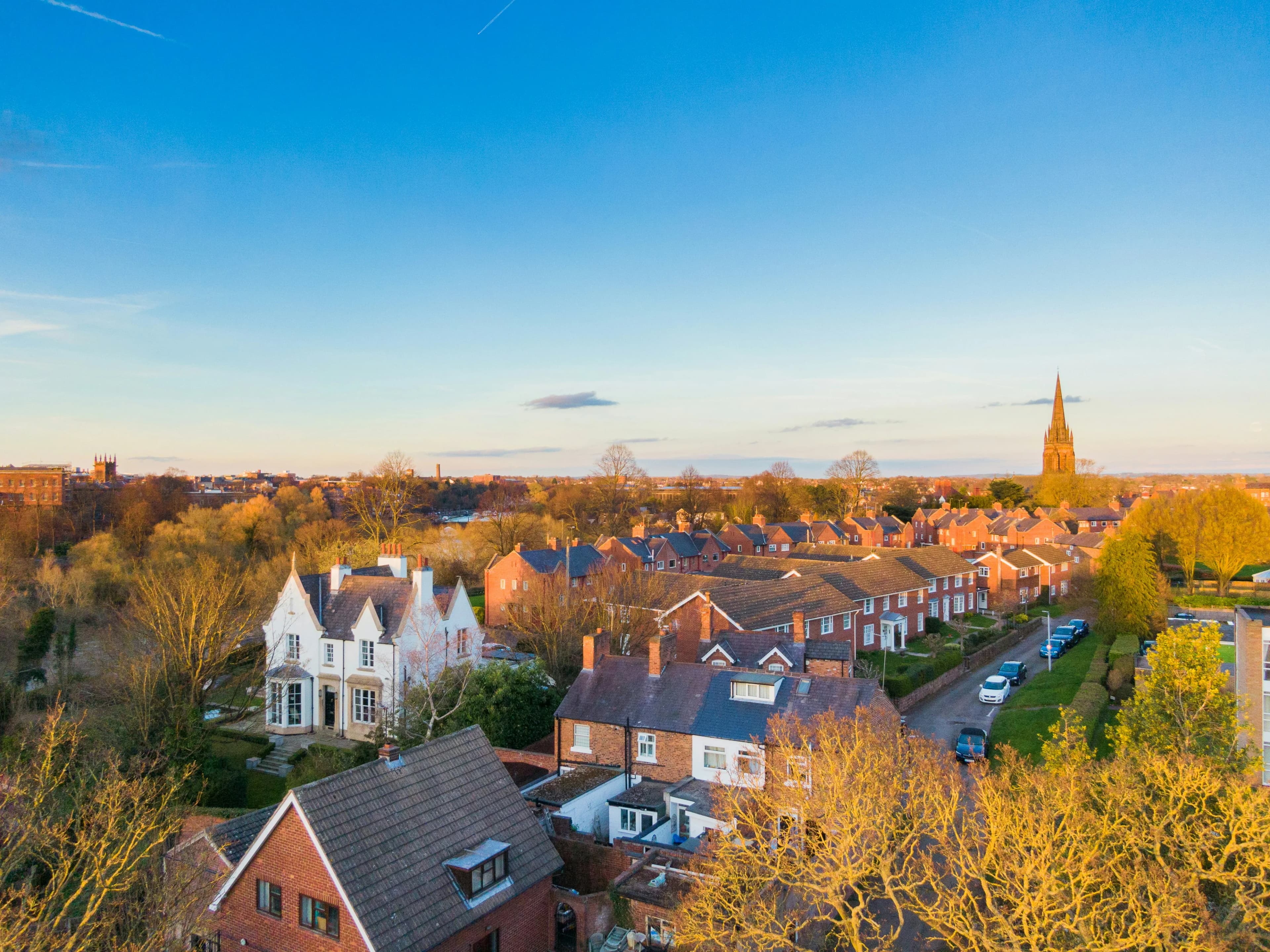
Cheshire
0 hotel

Cornwall
4 hotels
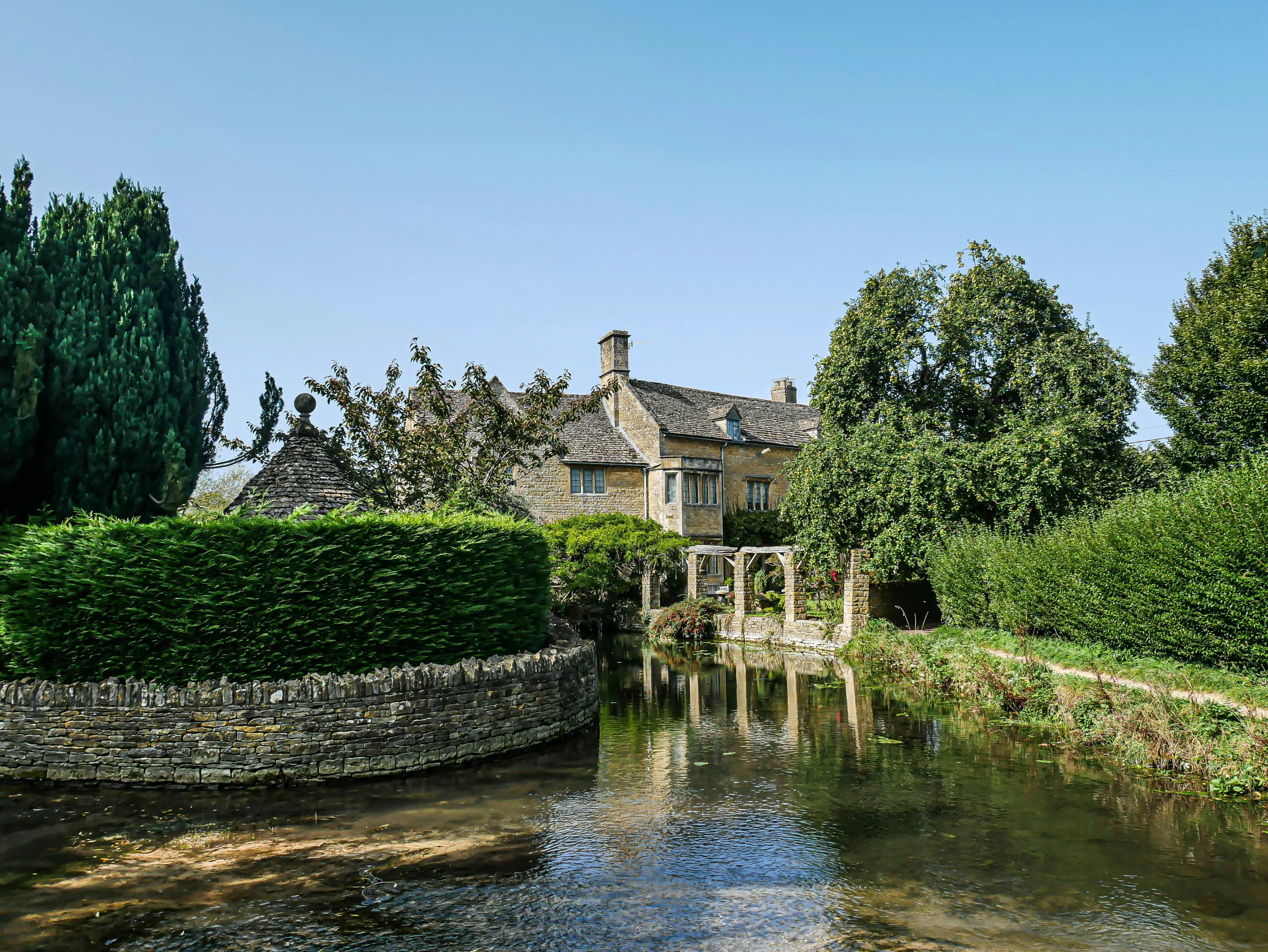
Cotswolds
21 hotels
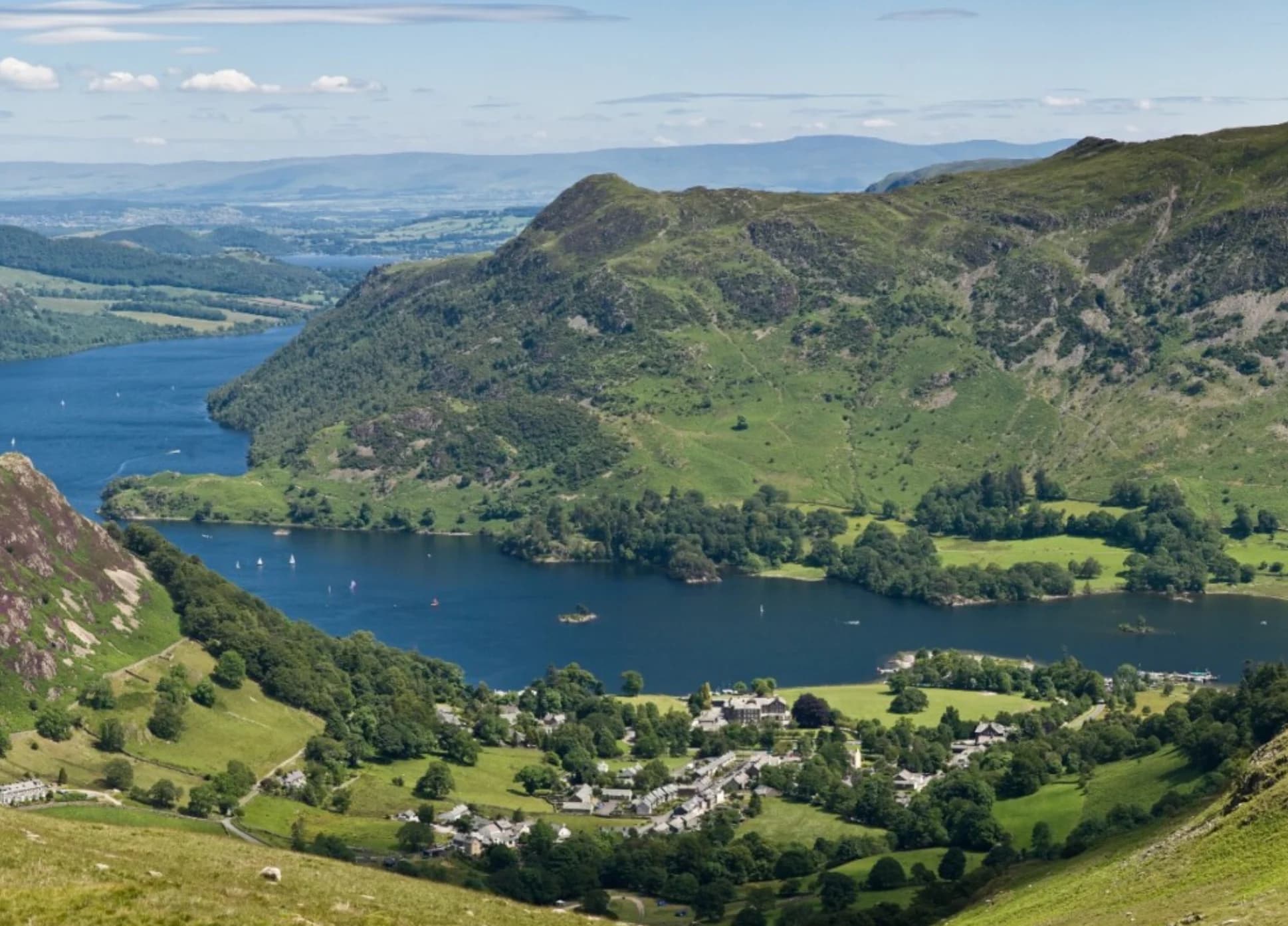
Cumberland
2 hotels
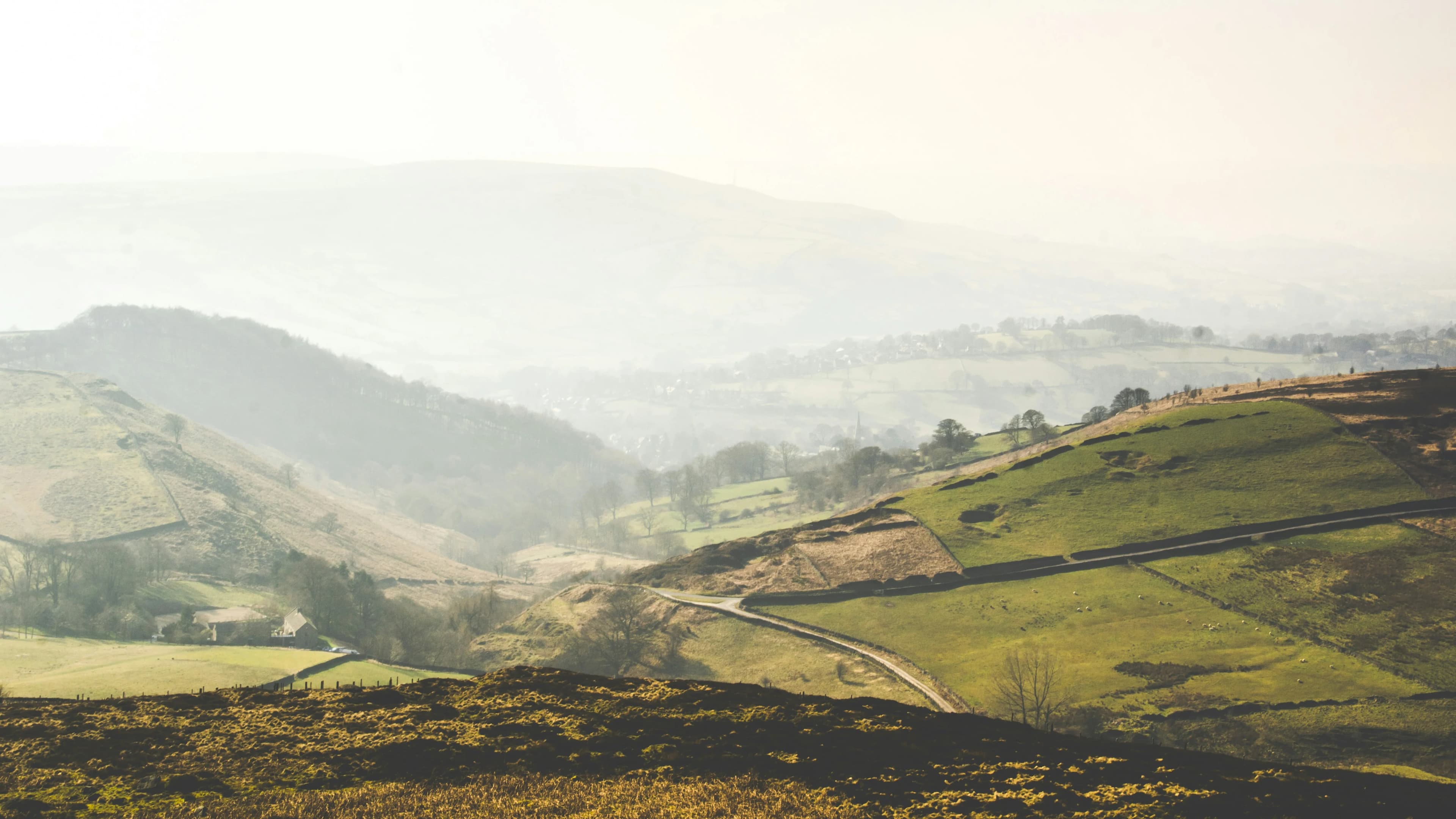
Derbyshire
2 hotels

Devon
5 hotels
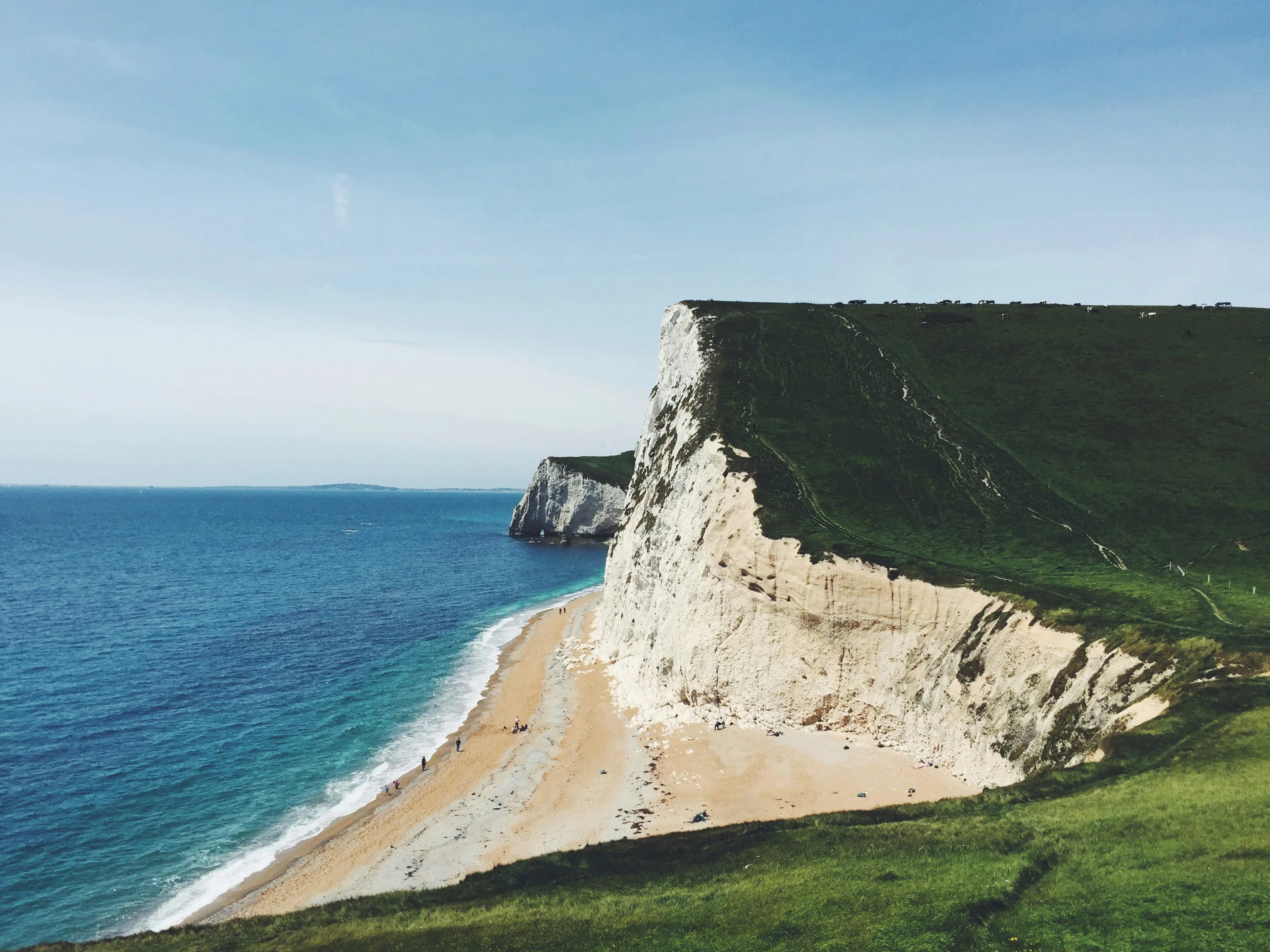
Dorset
4 hotels
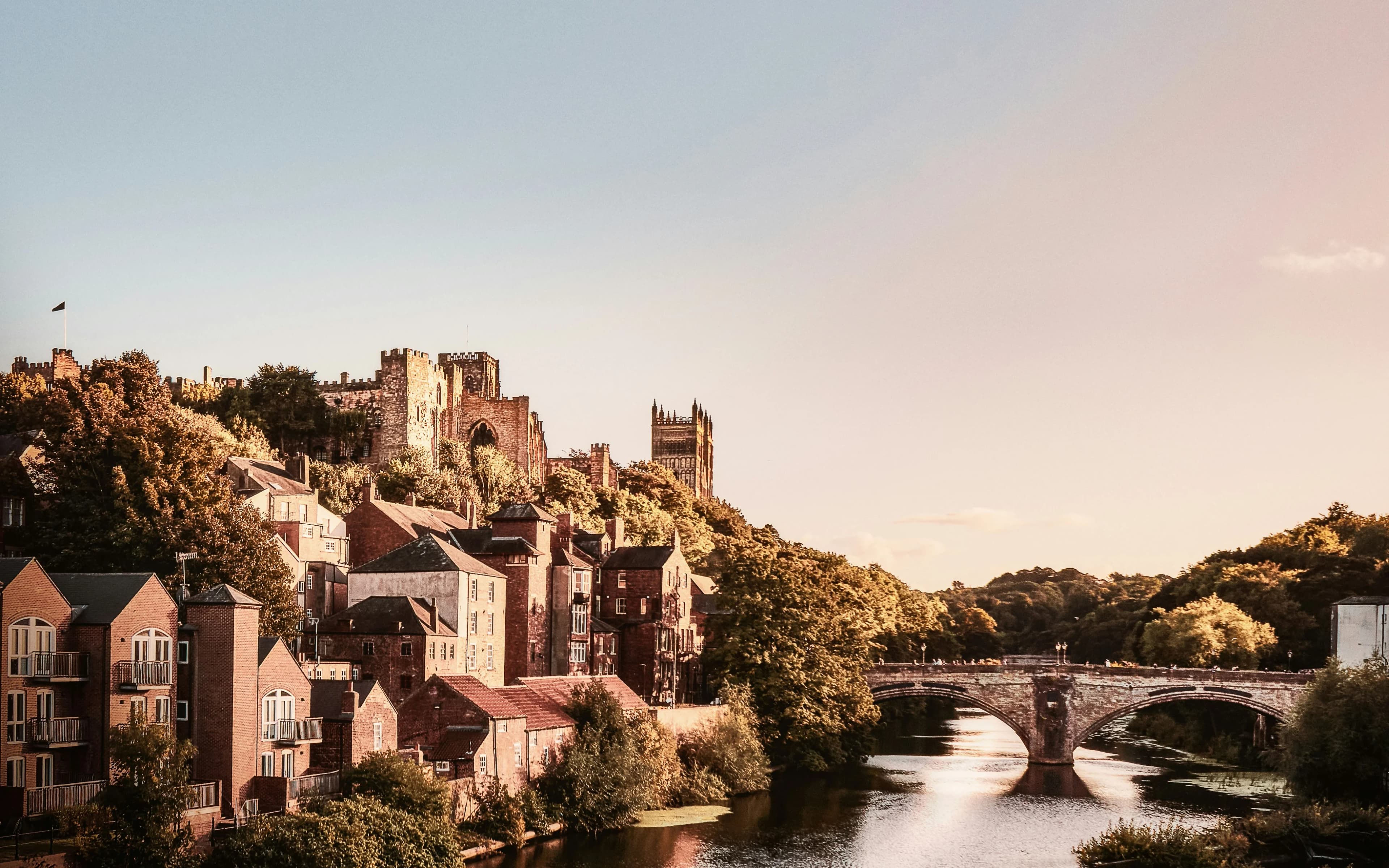
Durham
2 hotels
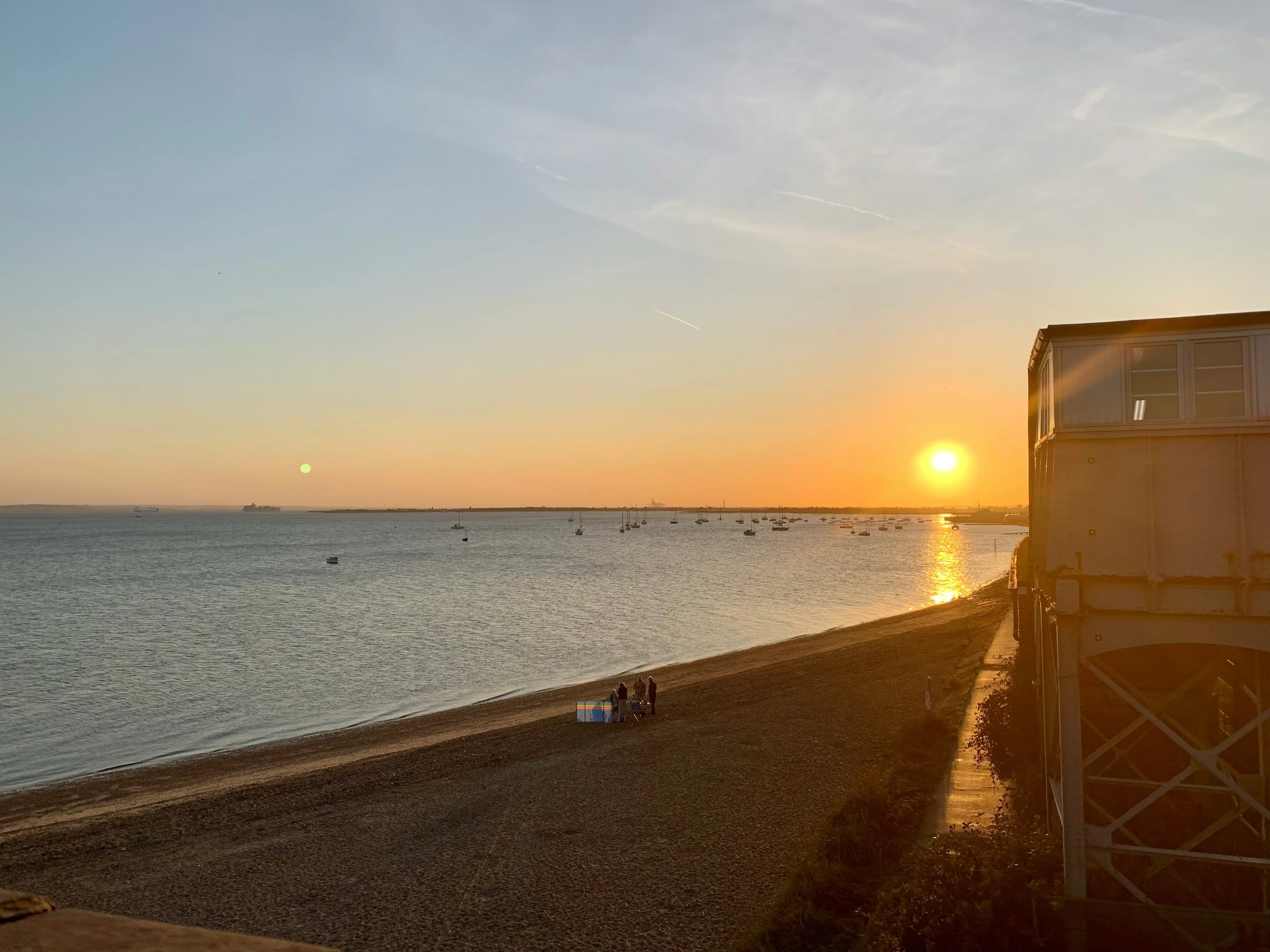
Essex
0 hotel
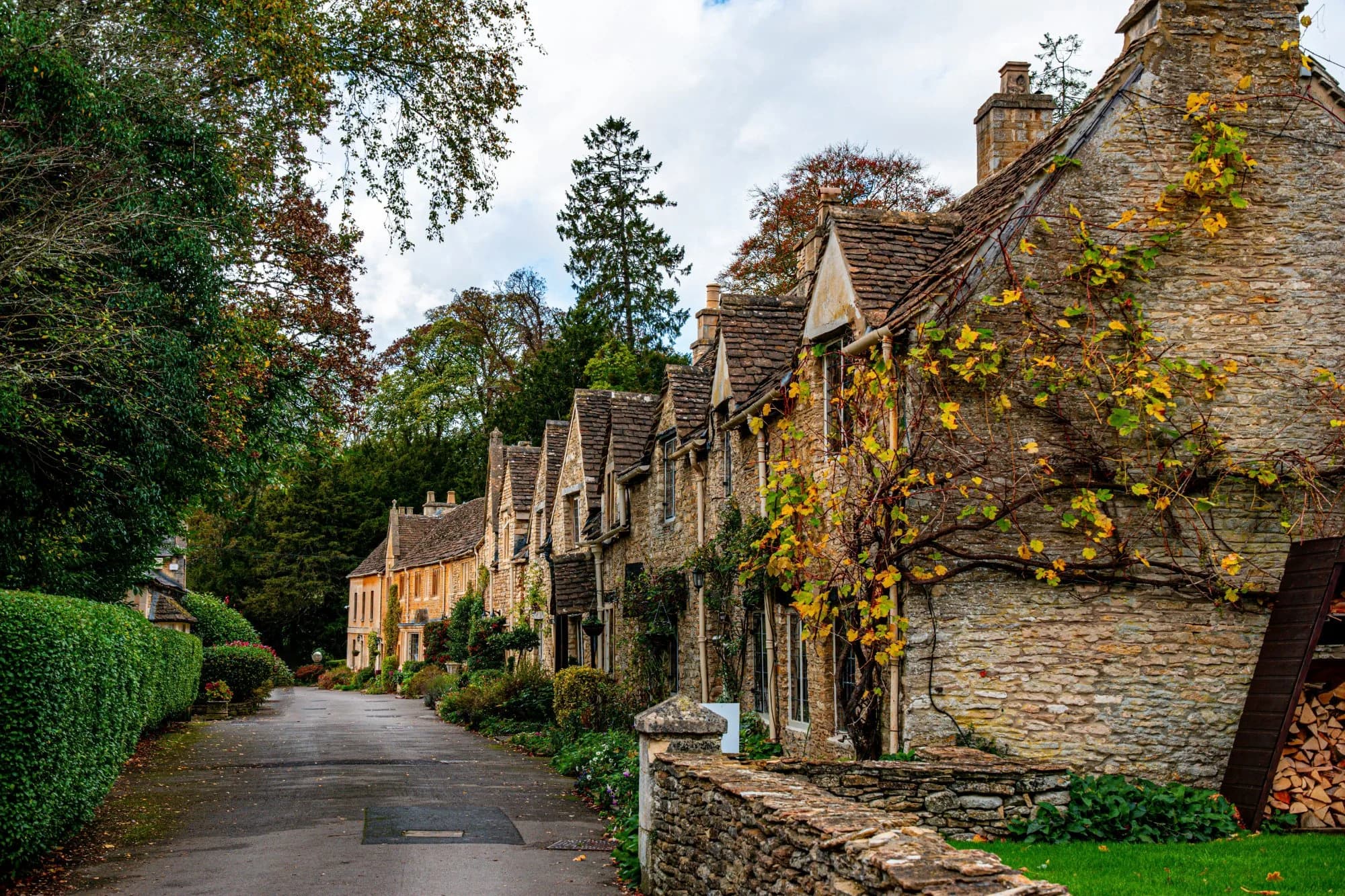
Gloucestershire
14 hotels
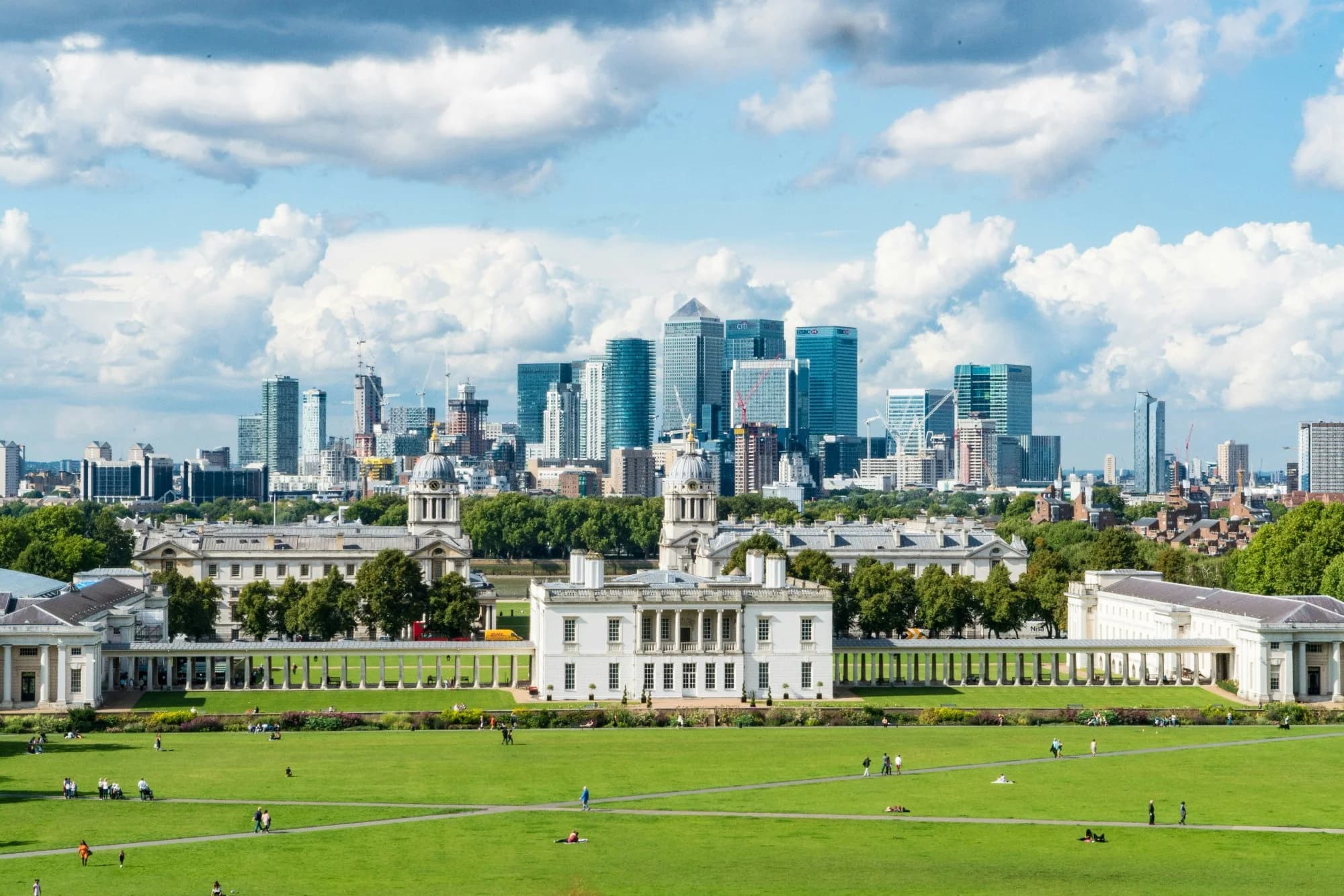
Greater London
62 hotels
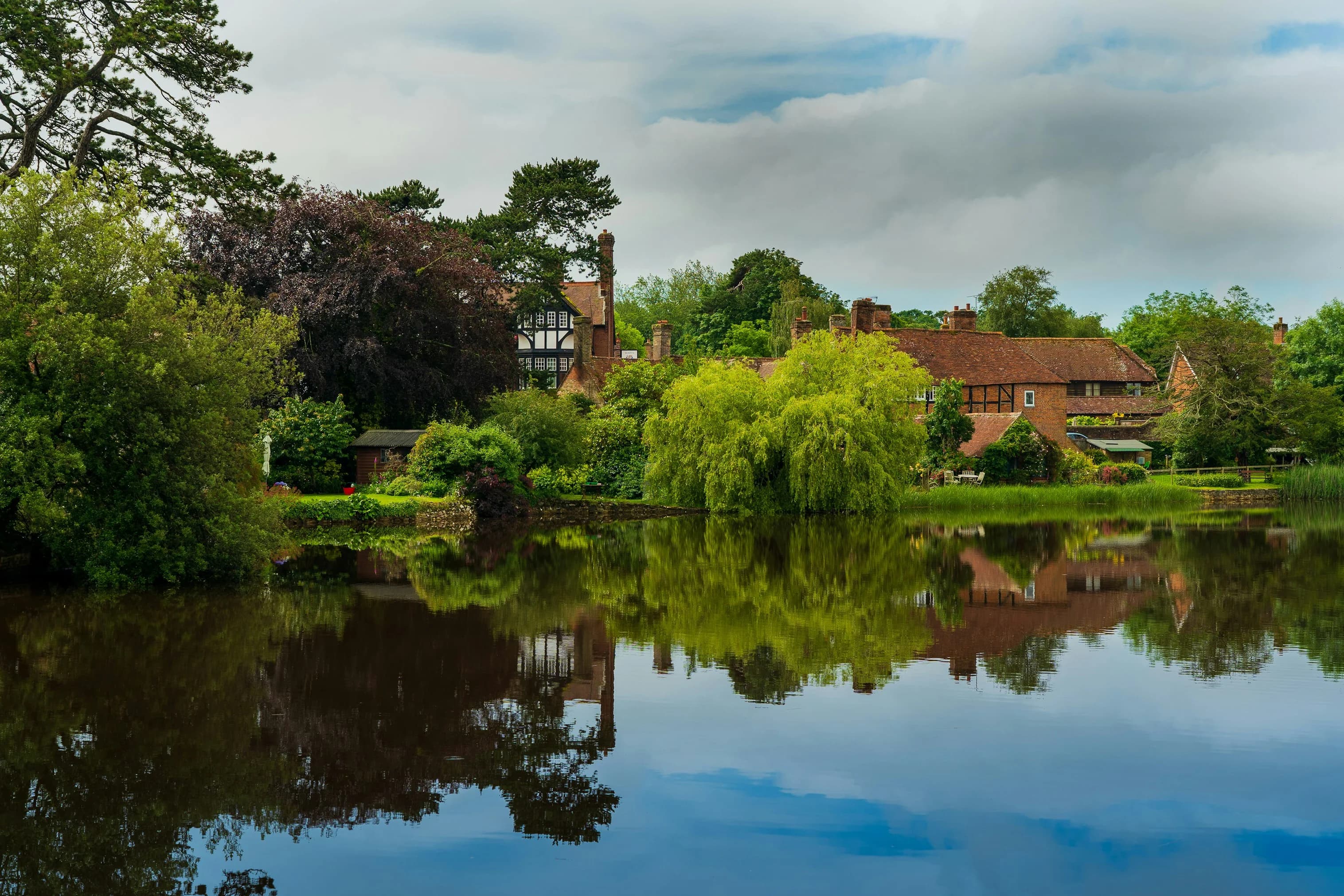
Hampshire
6 hotels
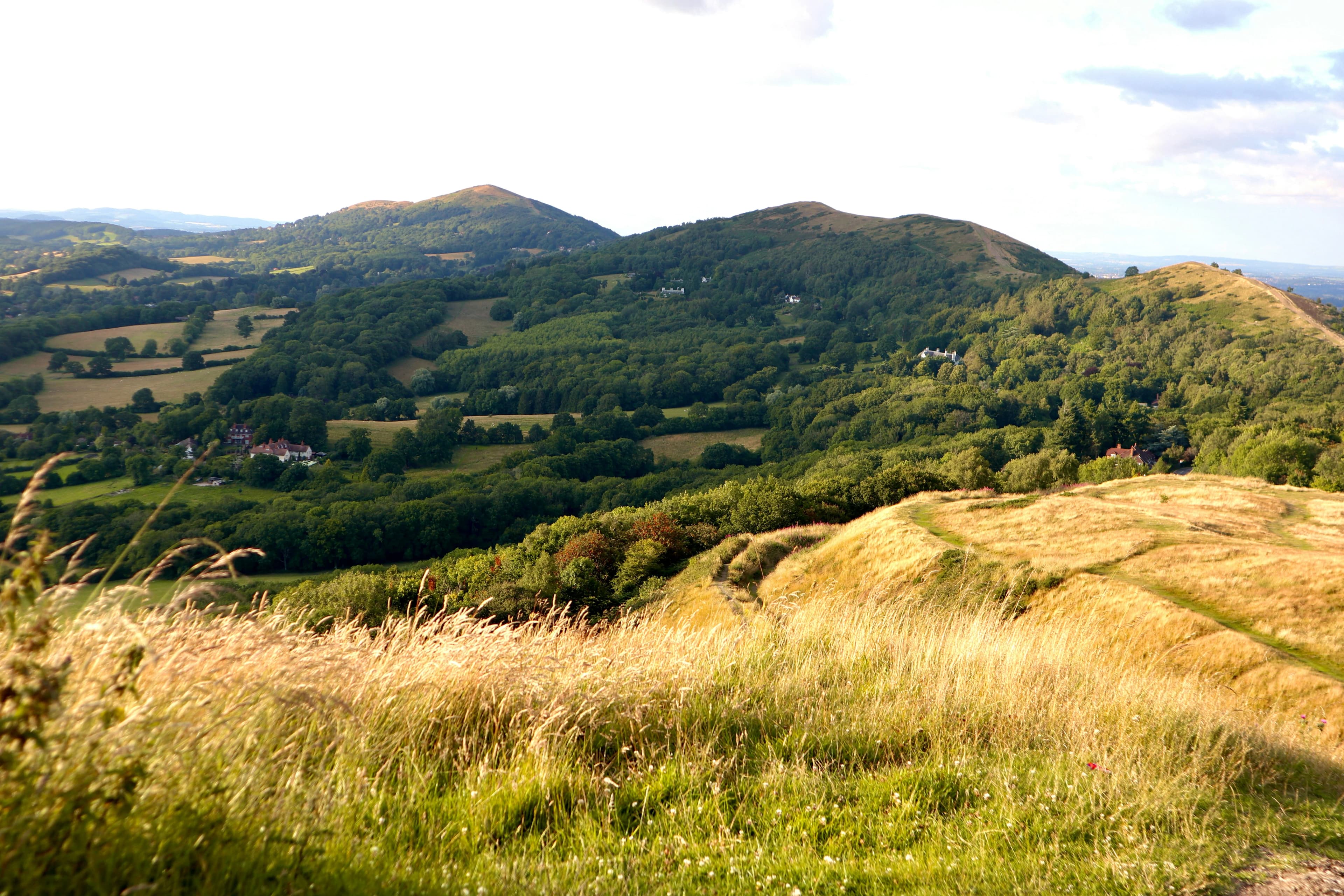
Herefordshire
2 hotels
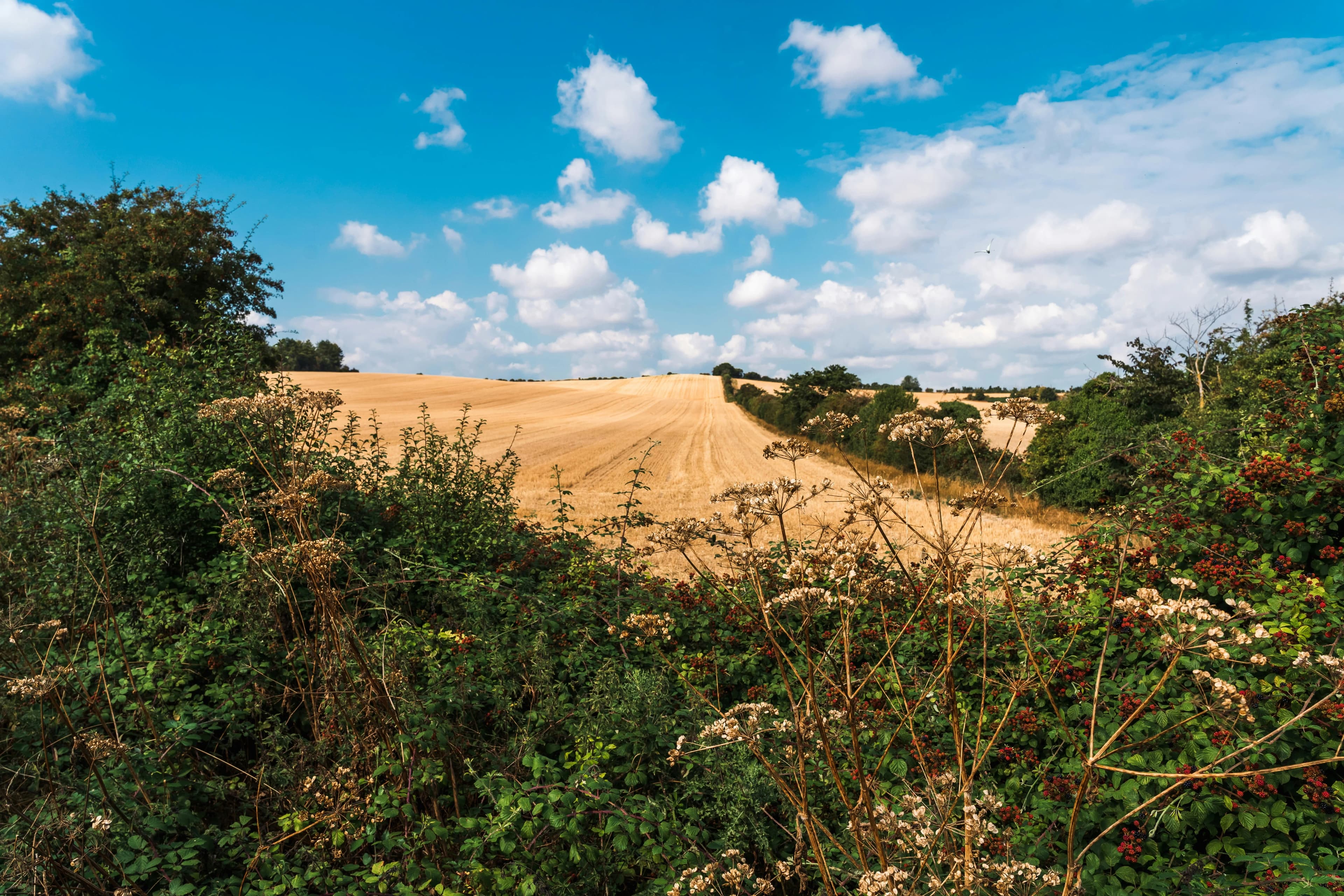
Hertfordshire
1 hotel
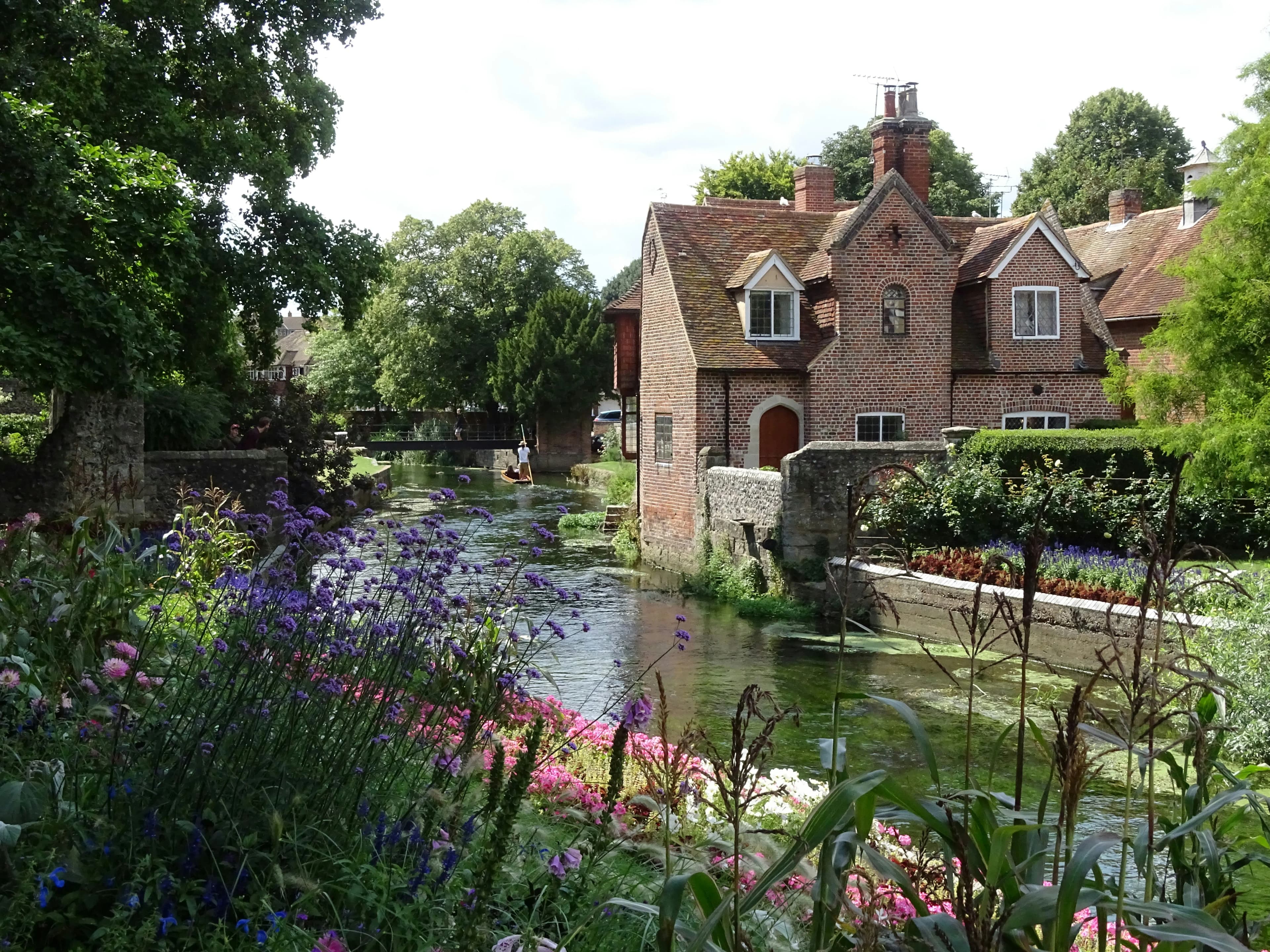
Kent
1 hotel
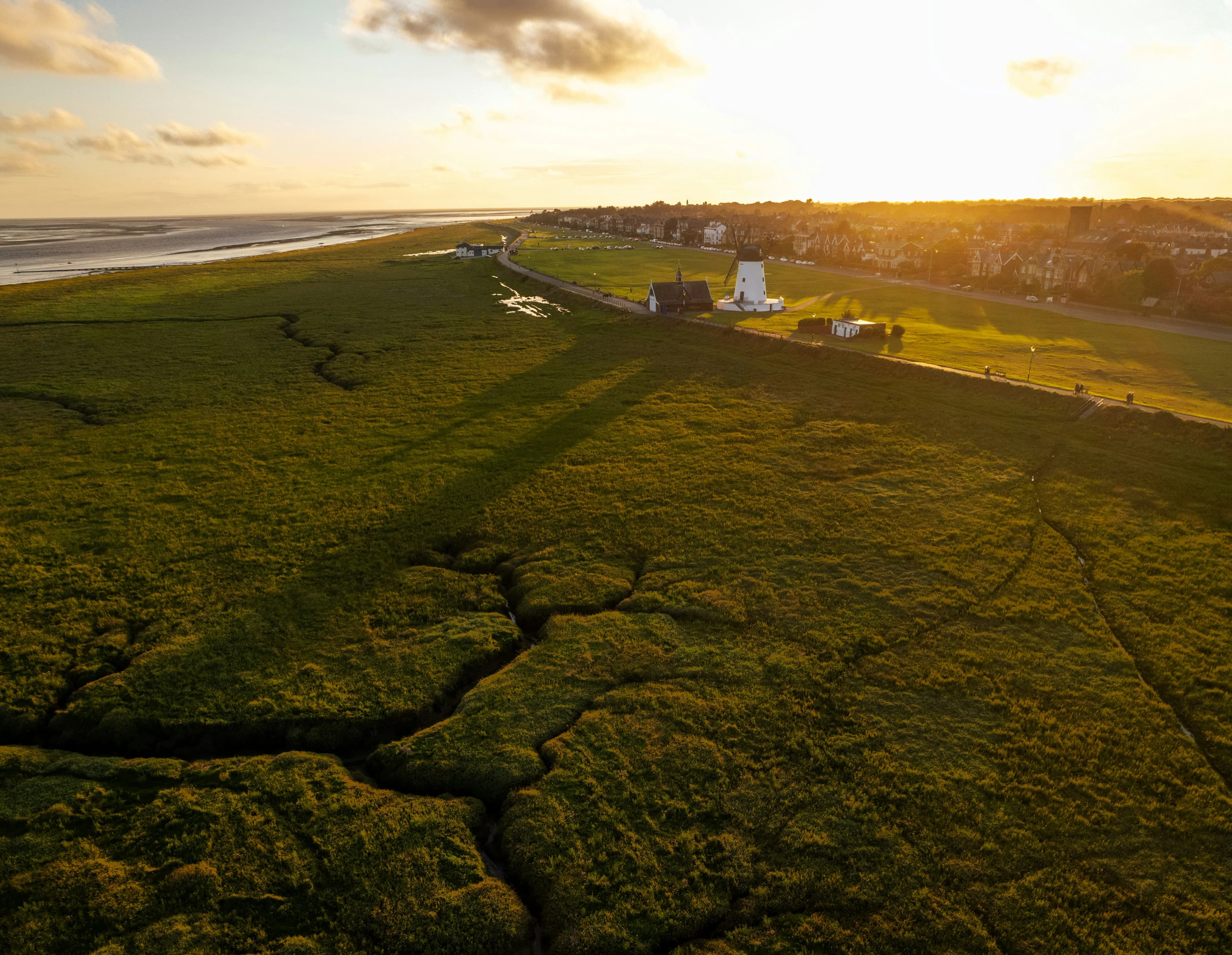
Lancashire
0 hotel
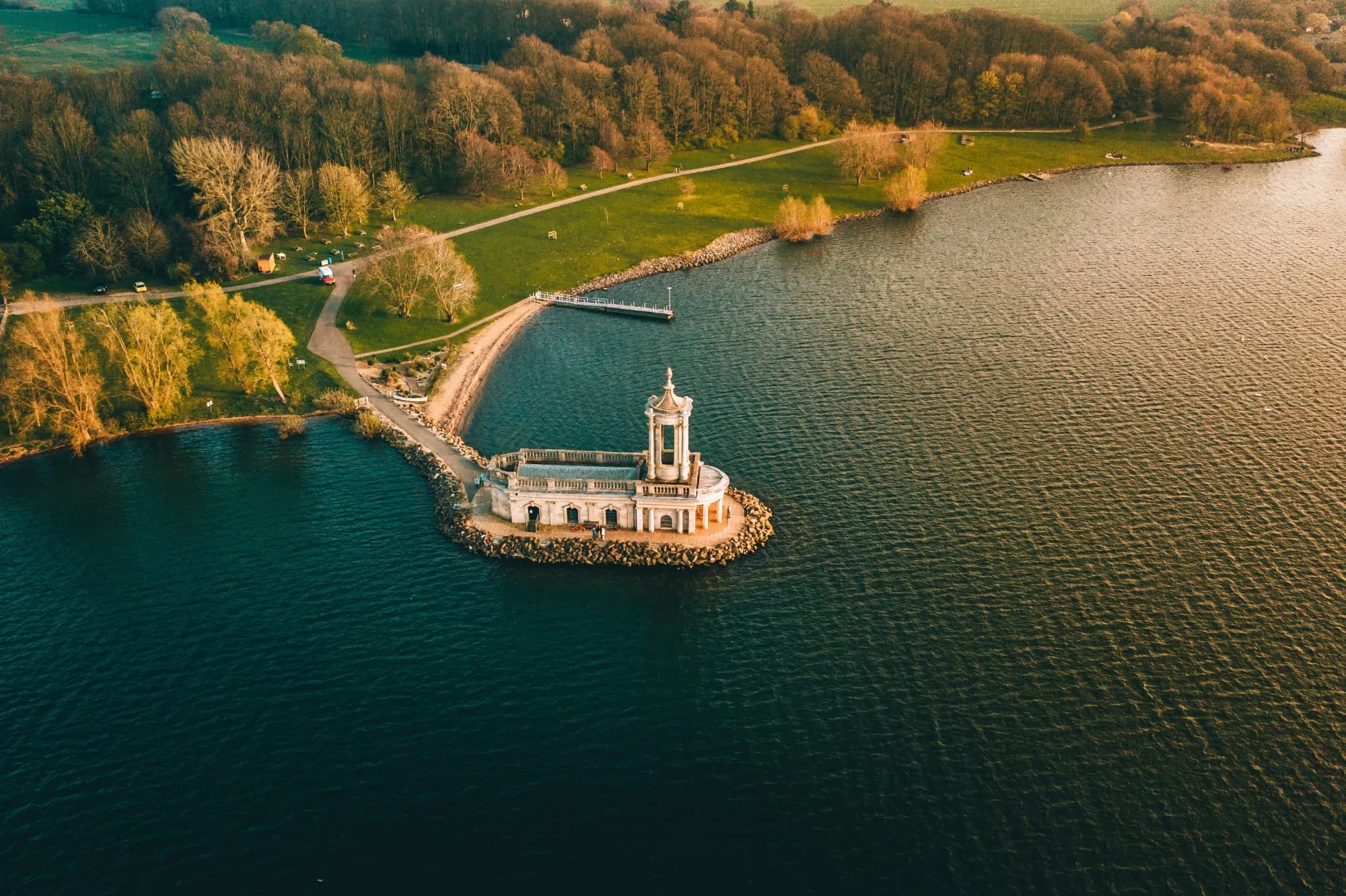
Leicestershire
0 hotel
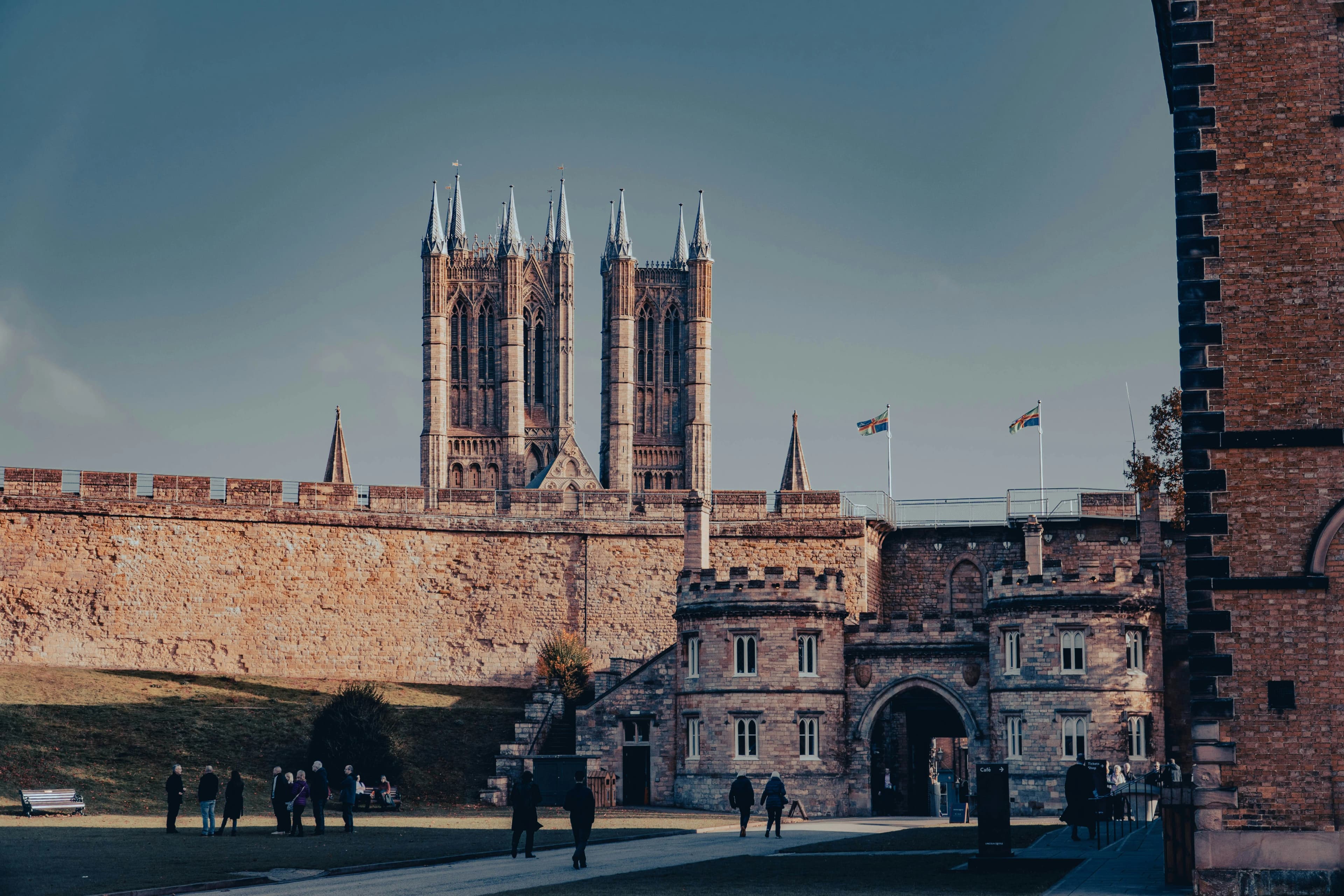
Lincolnshire
0 hotel
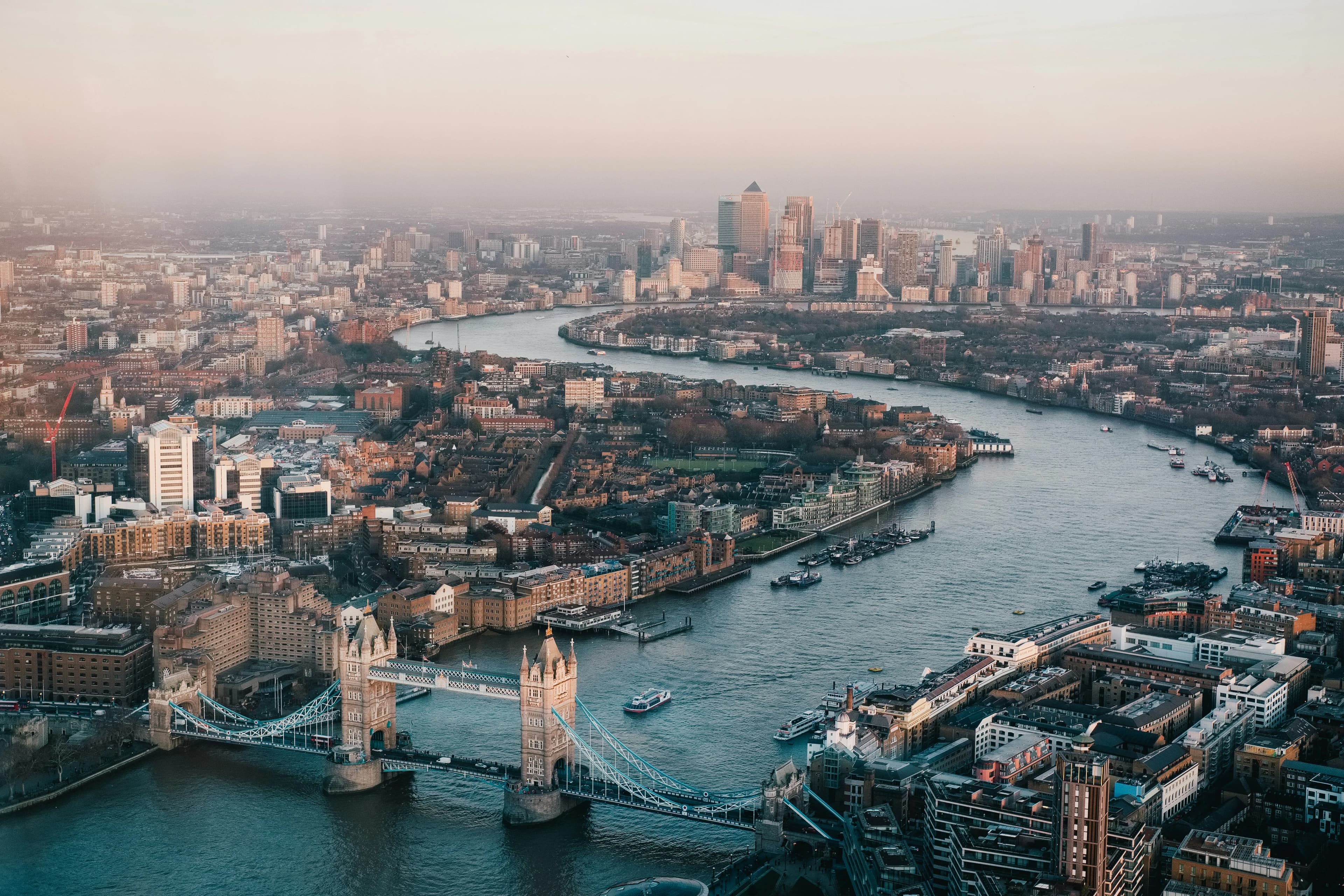
London
62 hotels
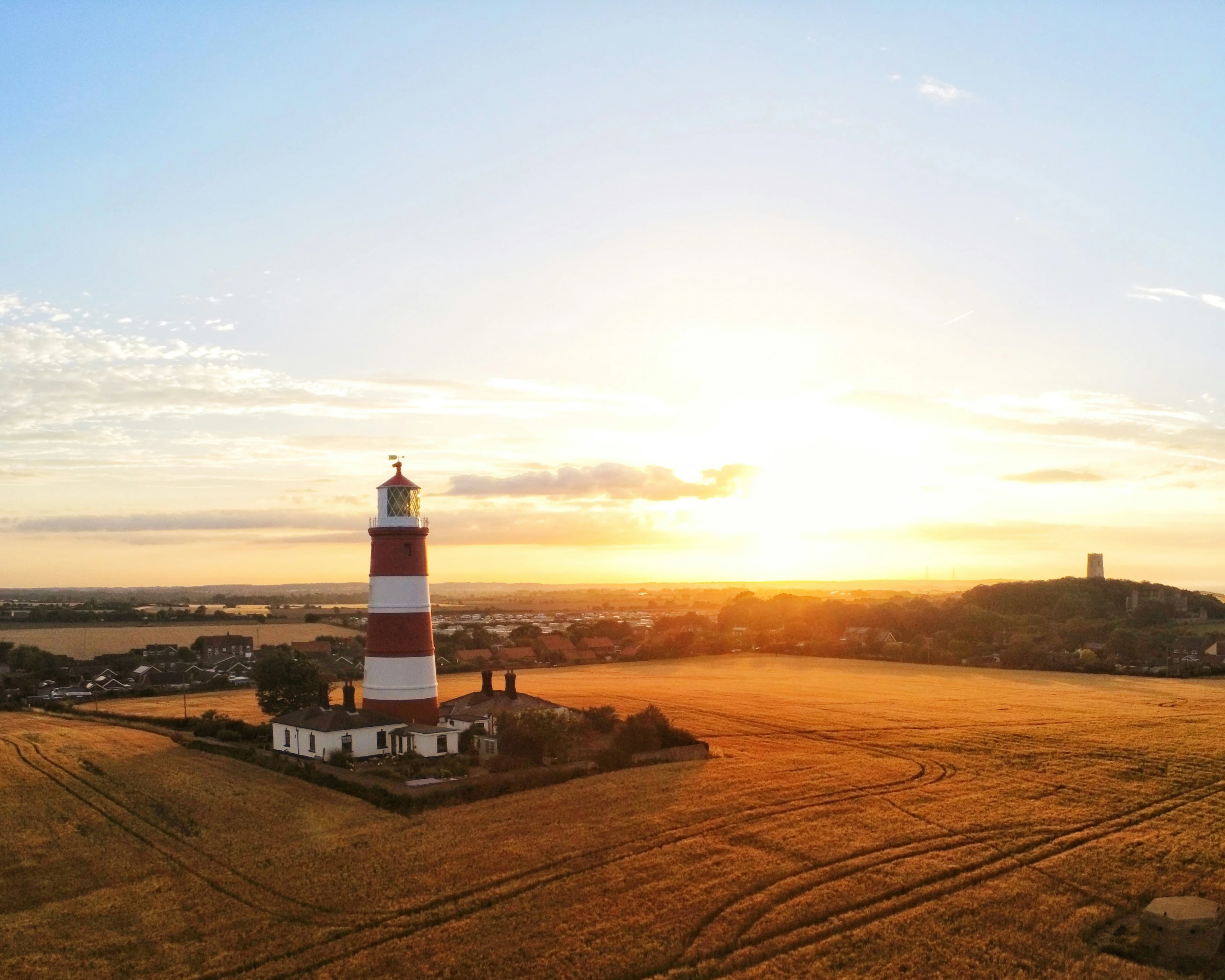
Norfolk
0 hotel
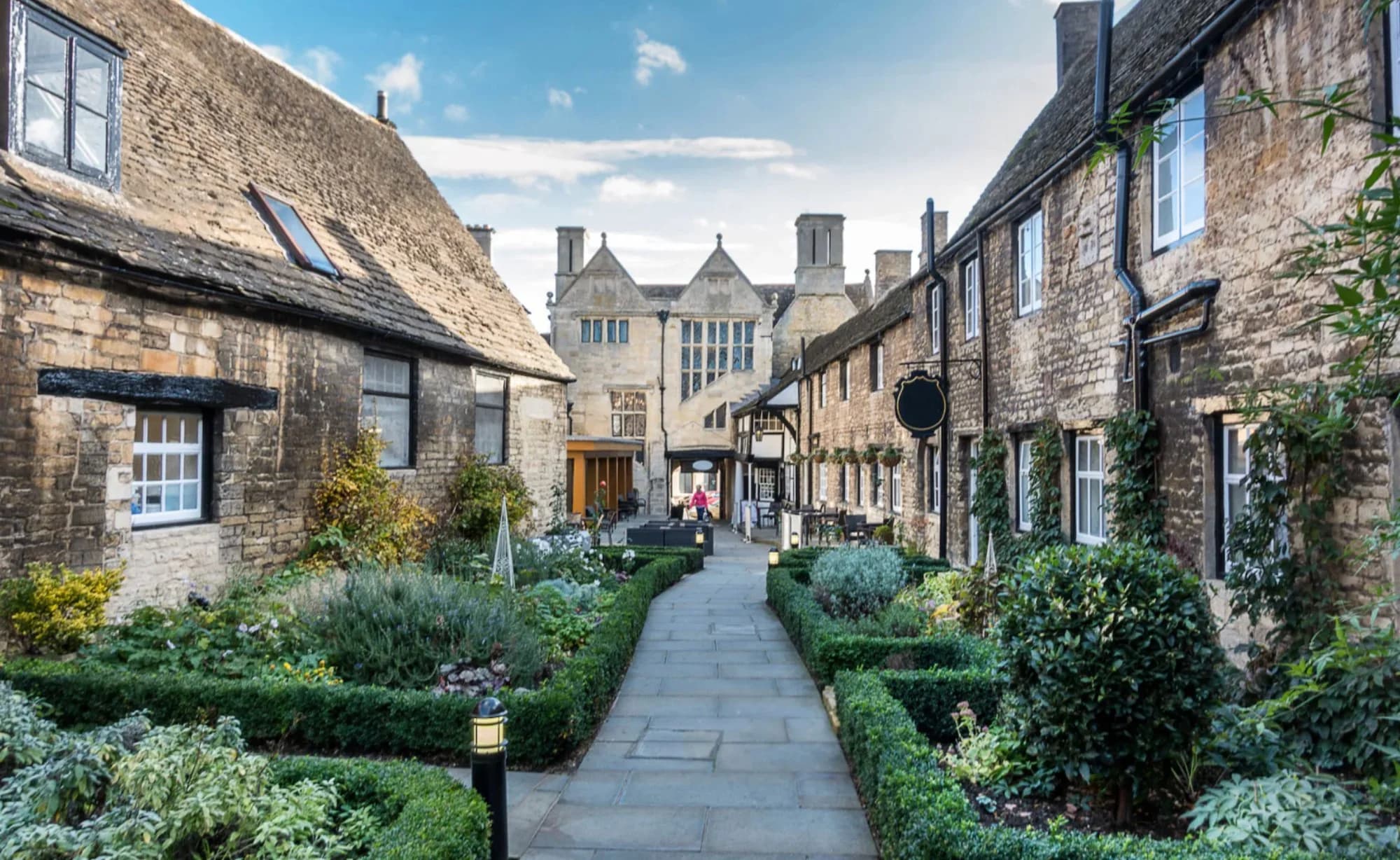
Northamptonshire
0 hotel
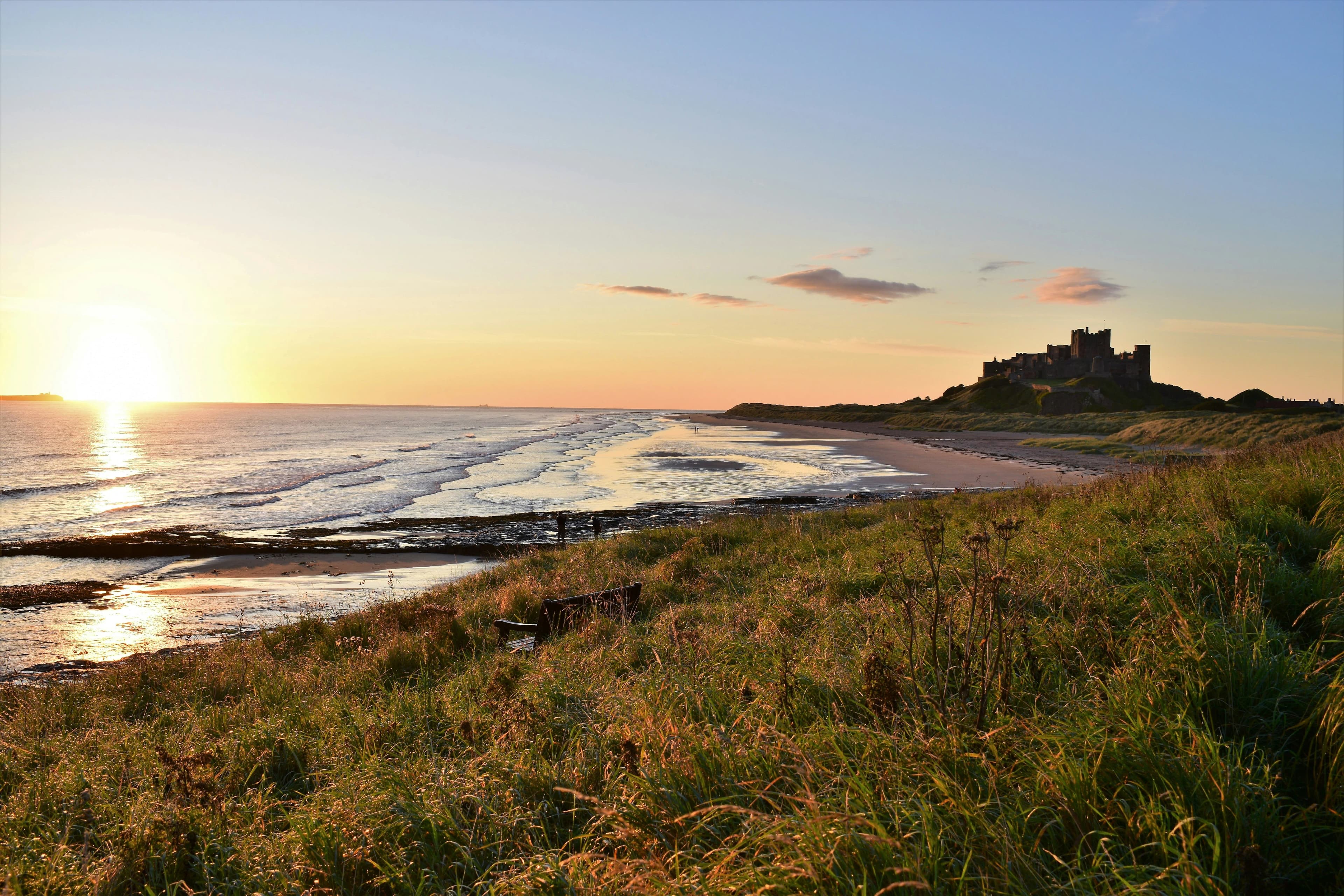
Northumberland
1 hotel
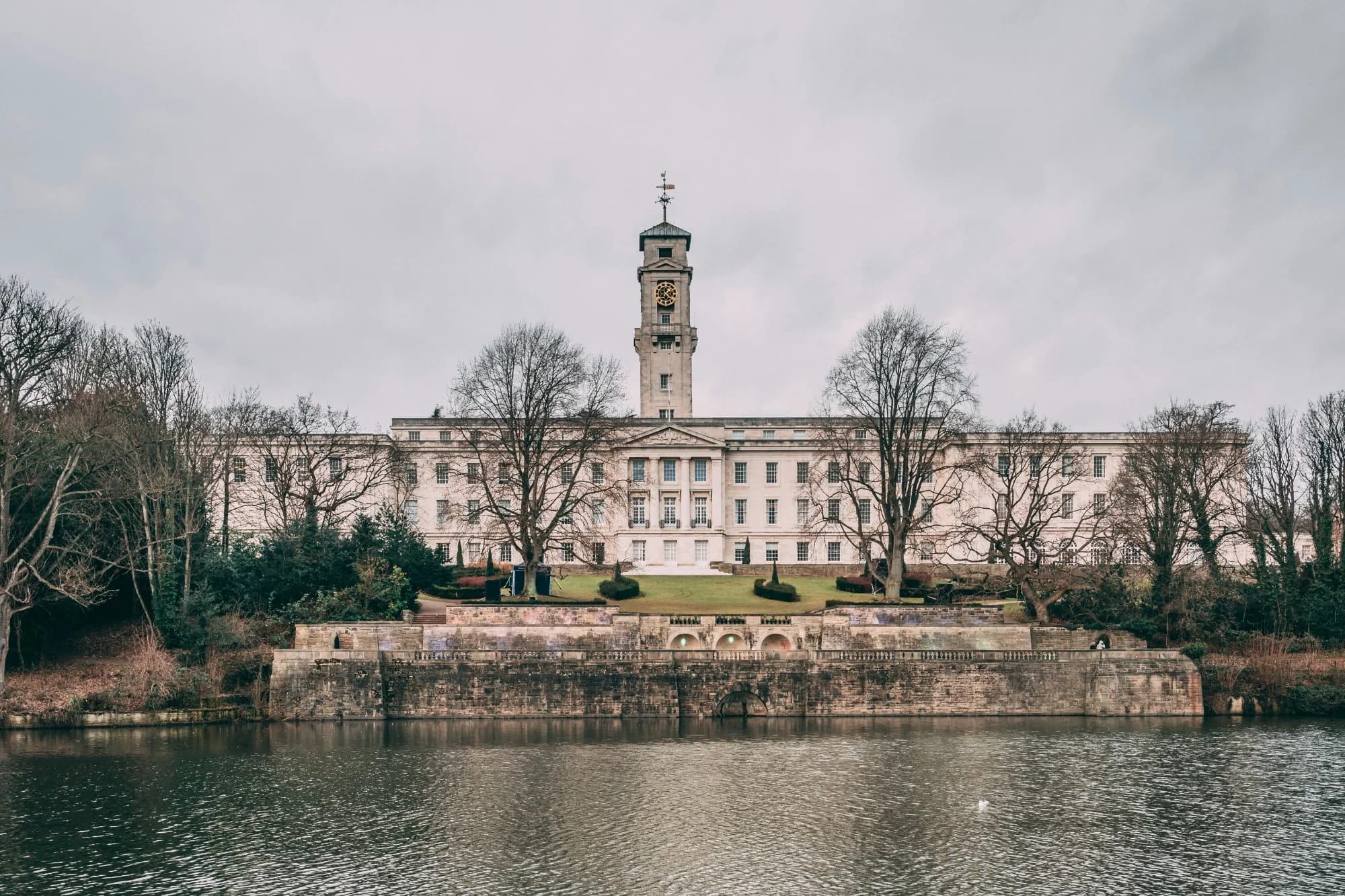
Nottinghamshire
0 hotel
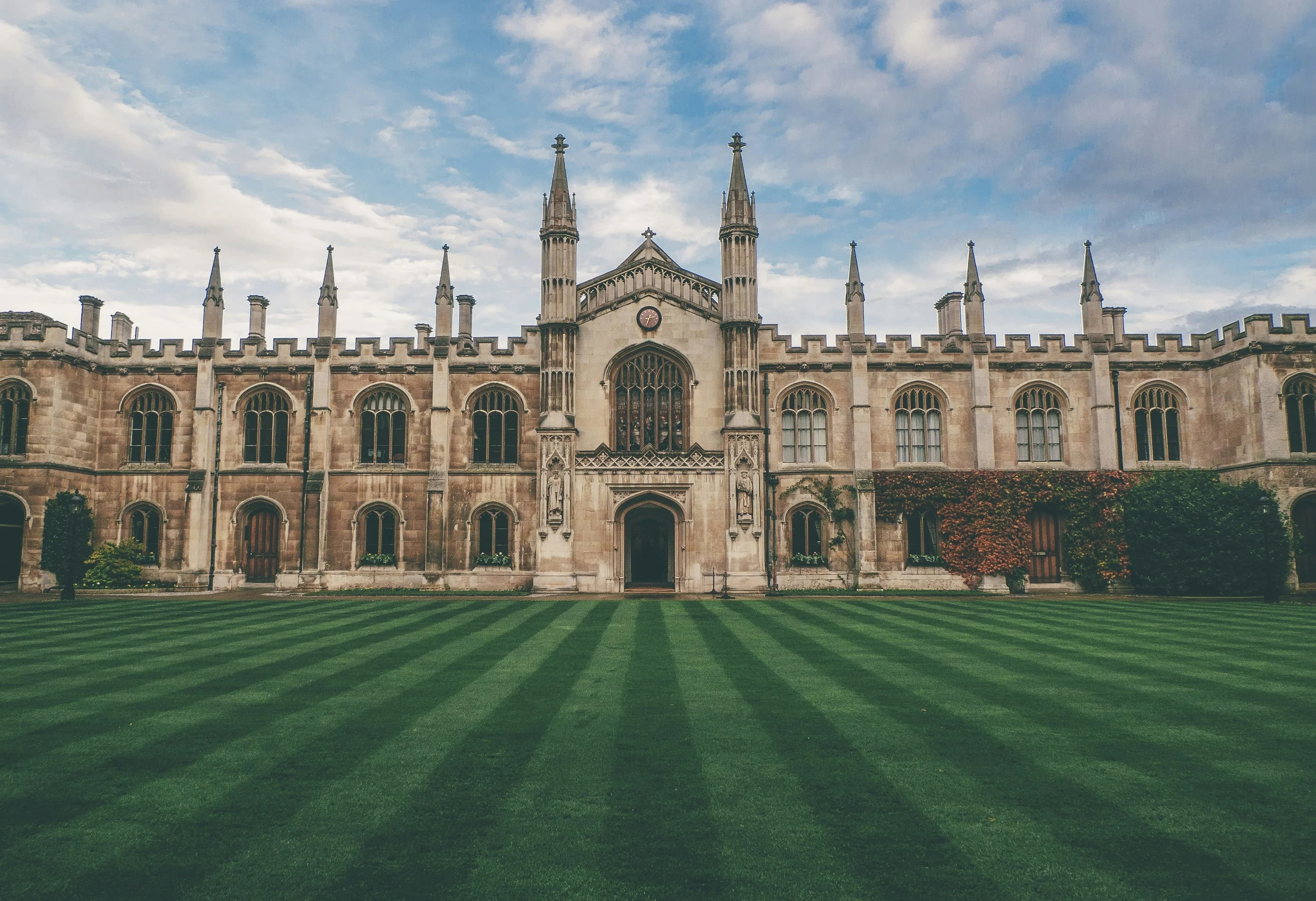
Oxfordshire
6 hotels
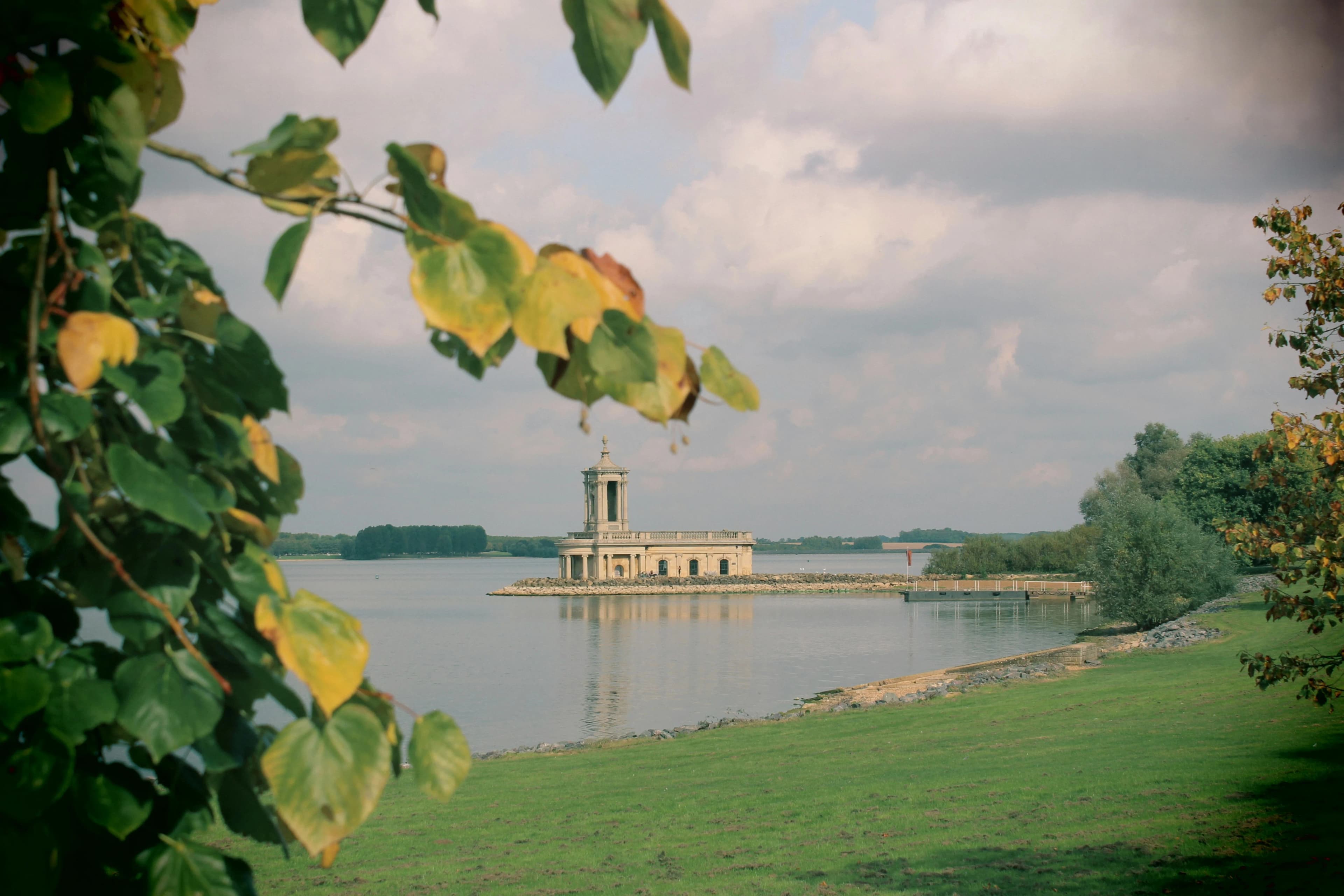
Rutland
0 hotel
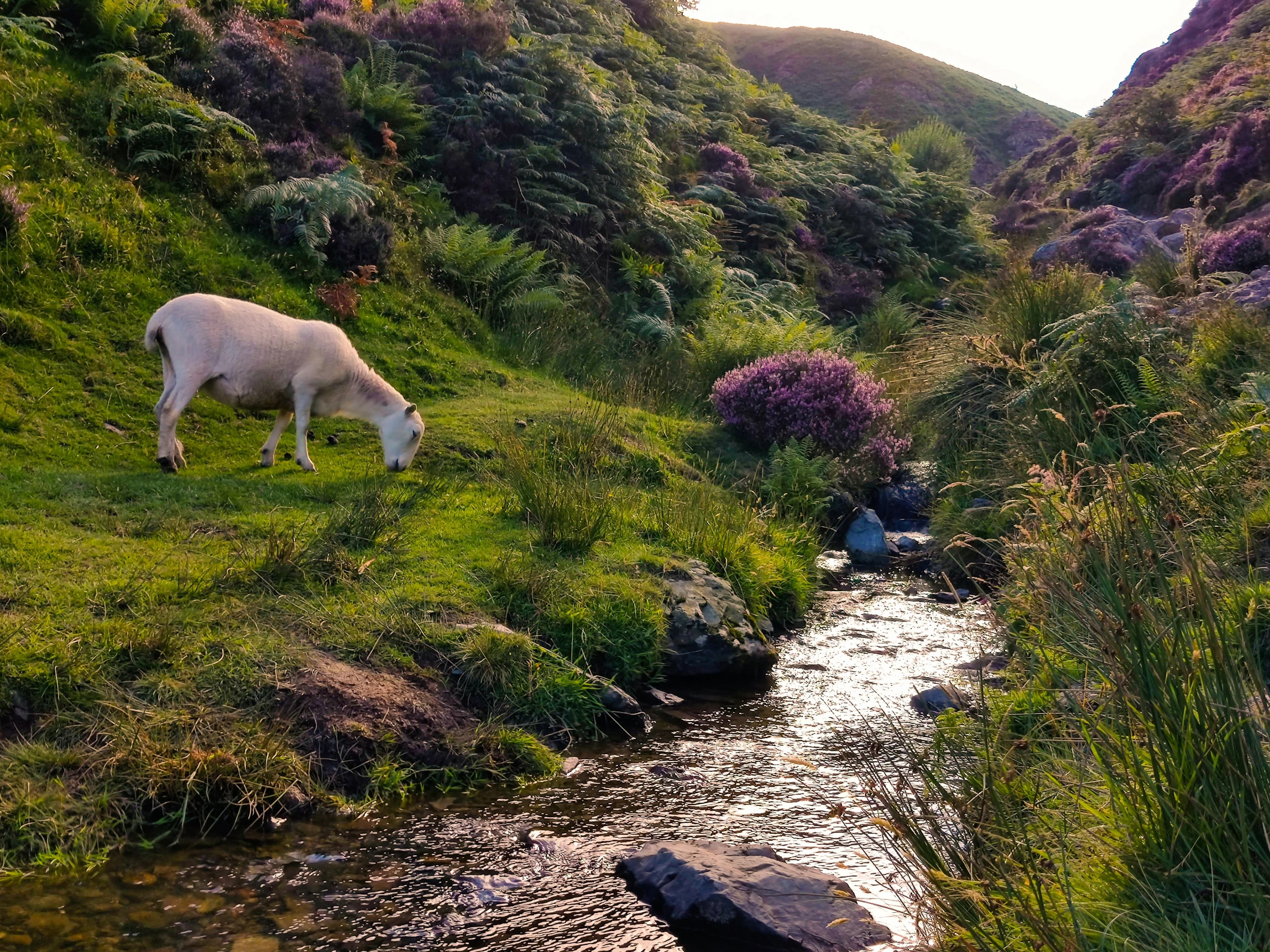
Shropshire
0 hotel
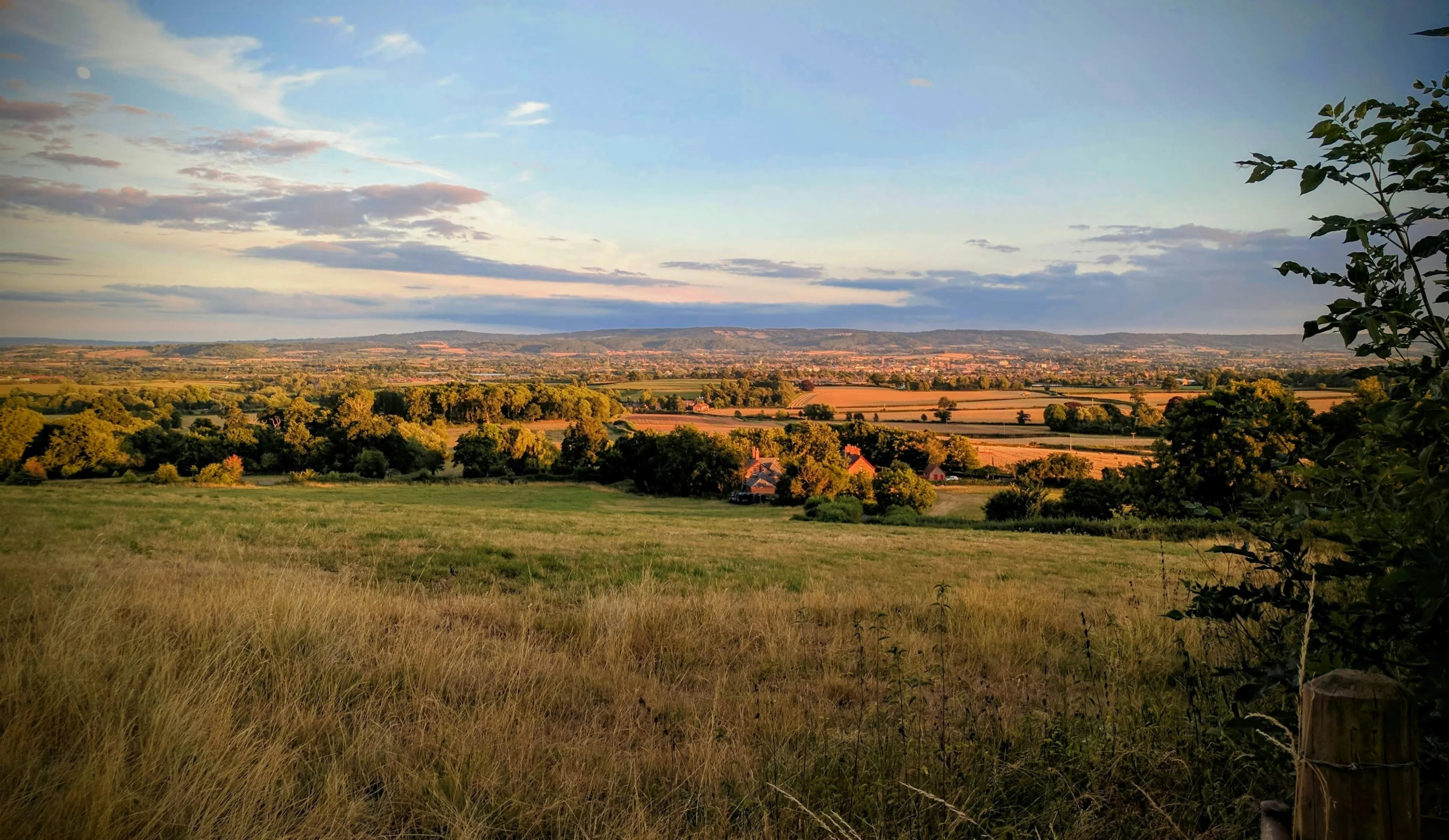
Somerest
2 hotels
Staffordshire
2 hotels
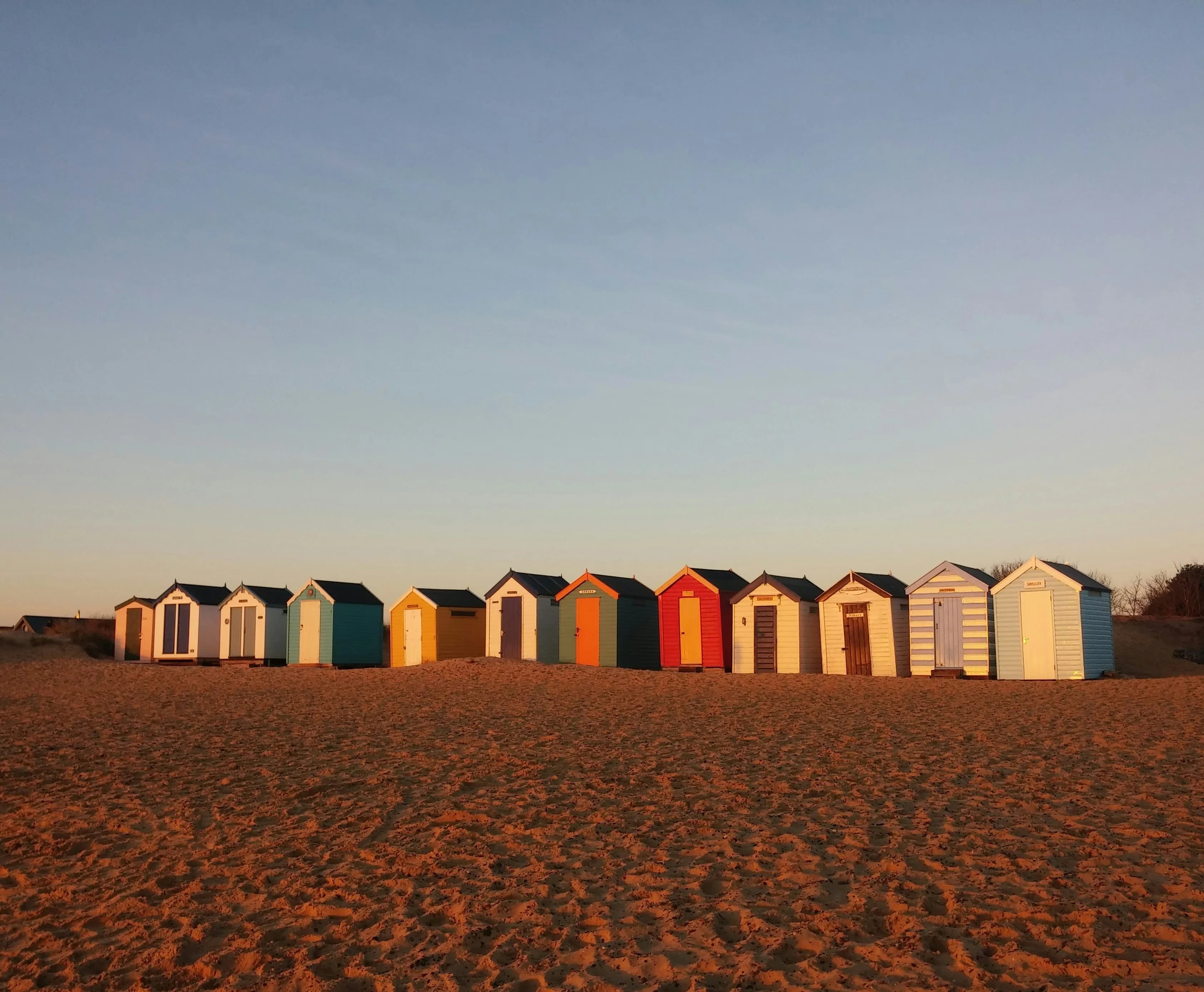
Suffolk
0 hotel
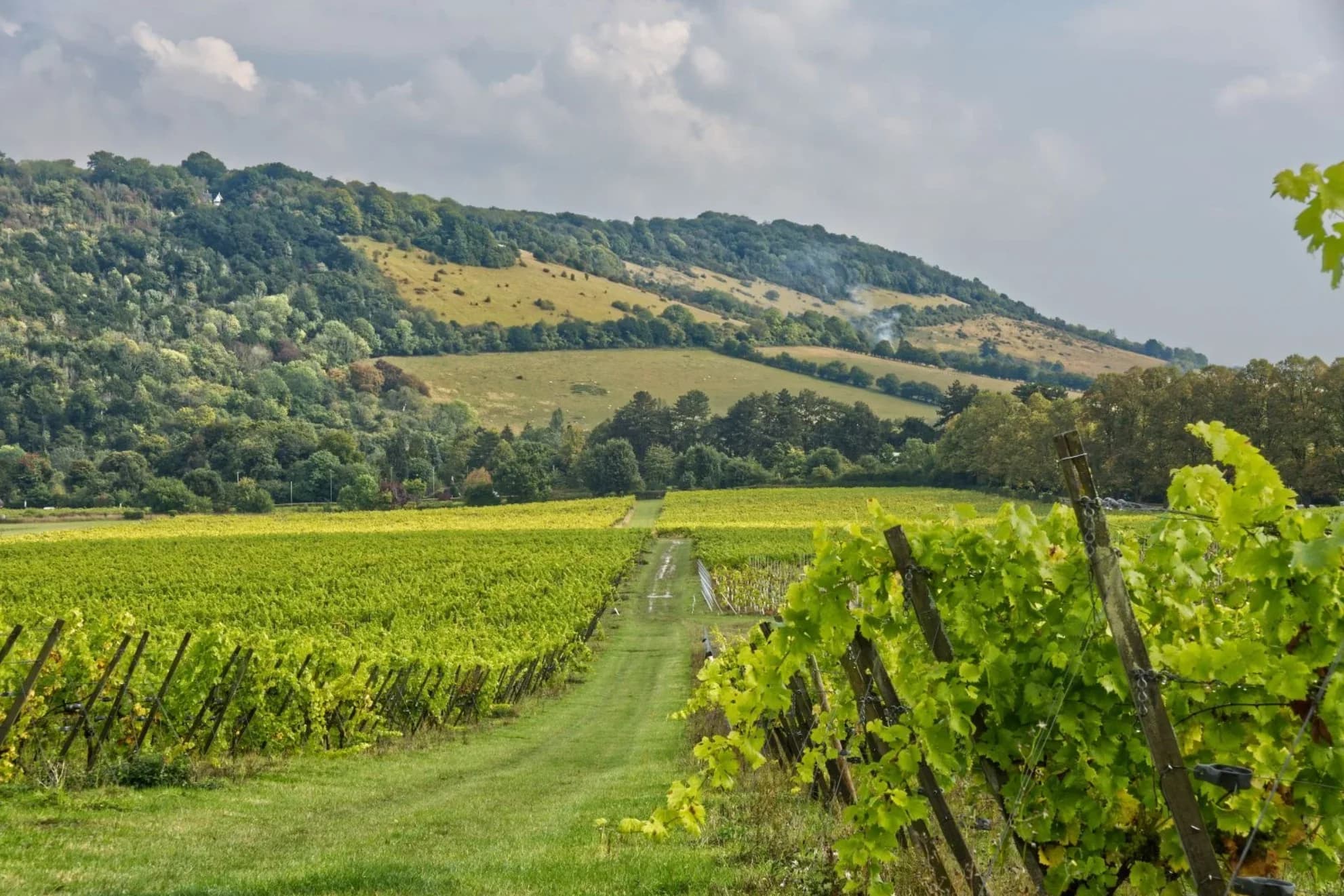
Surrey
2 hotels
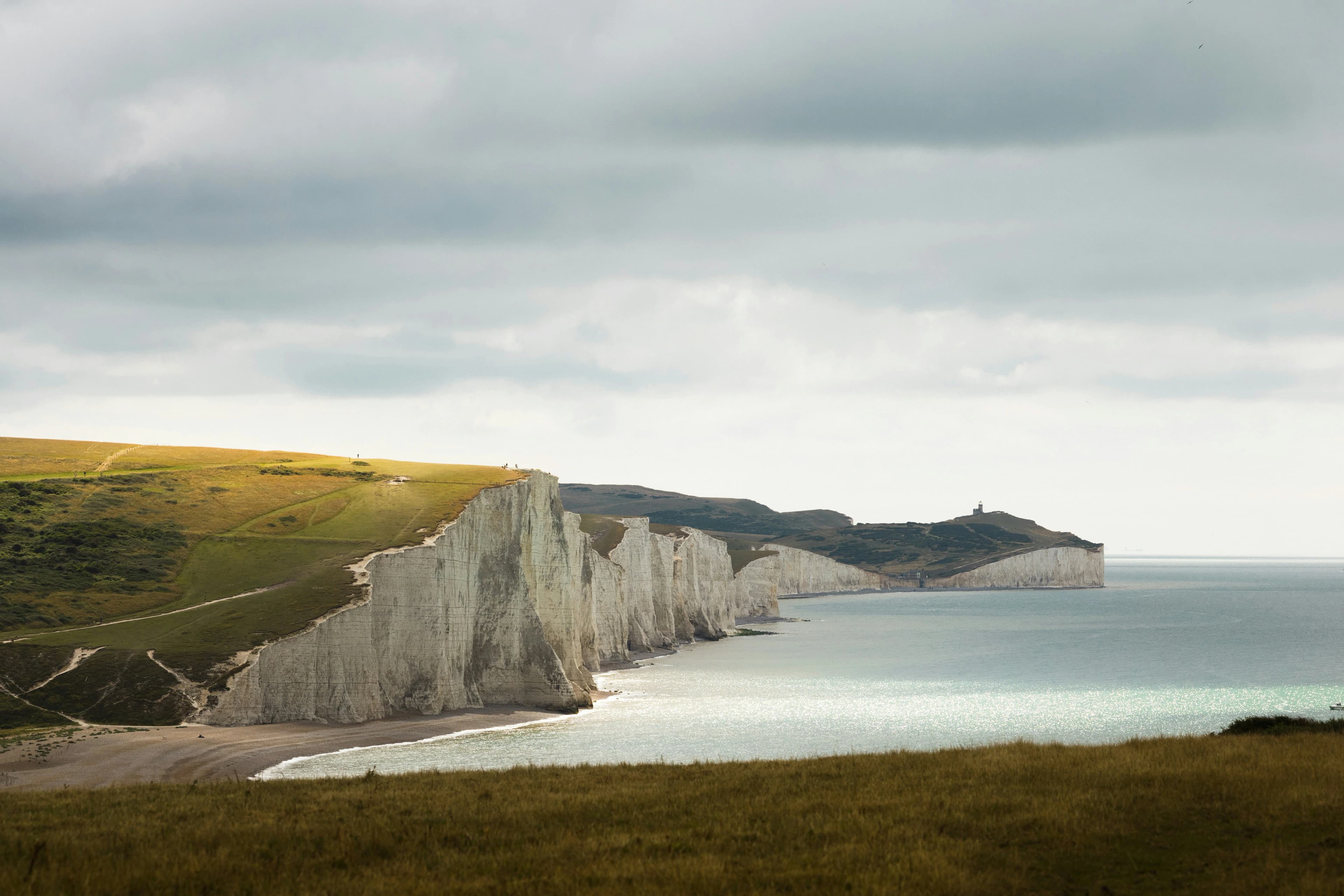
Sussex
3 hotels
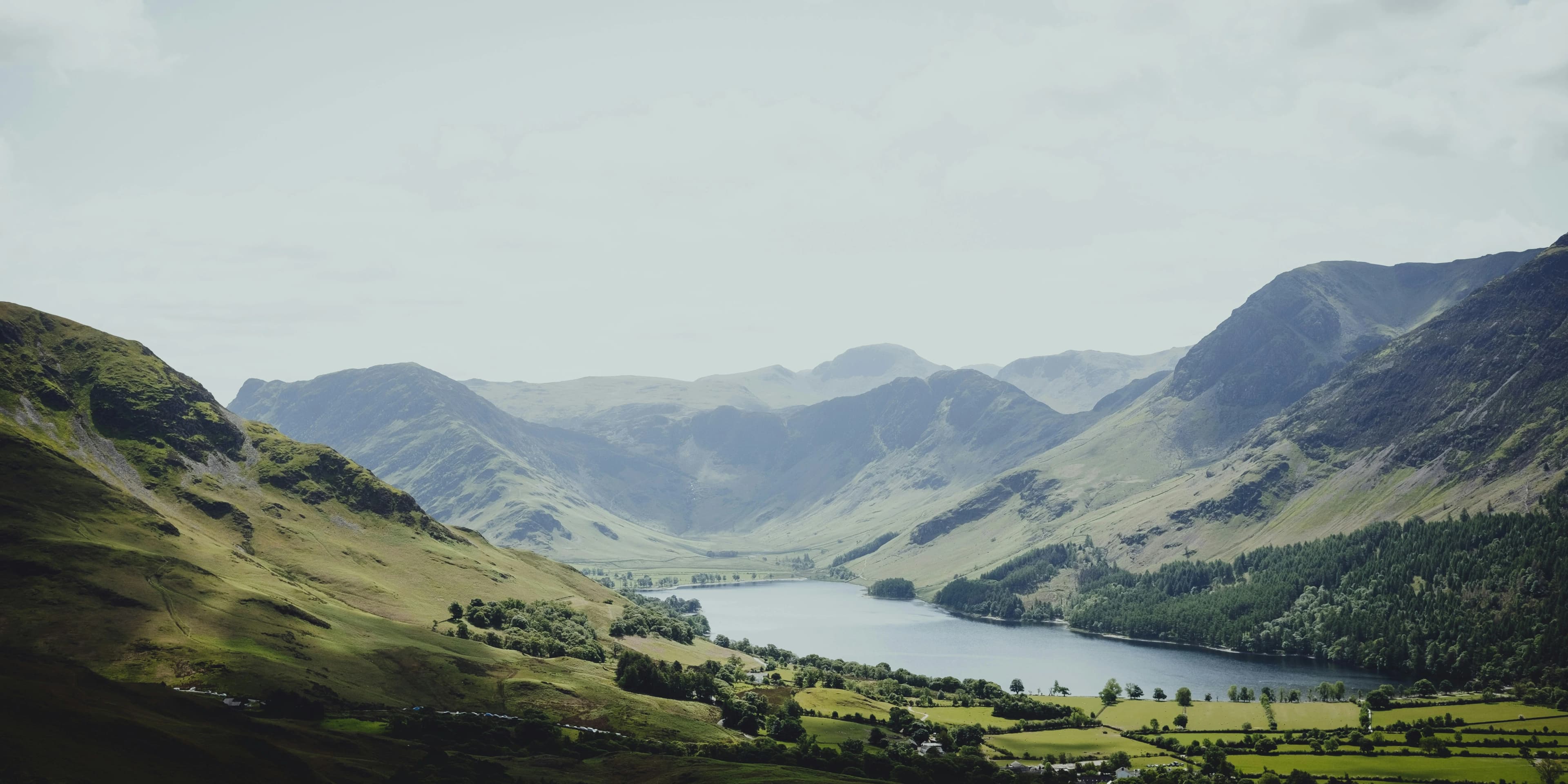
The Lake District
2 hotels
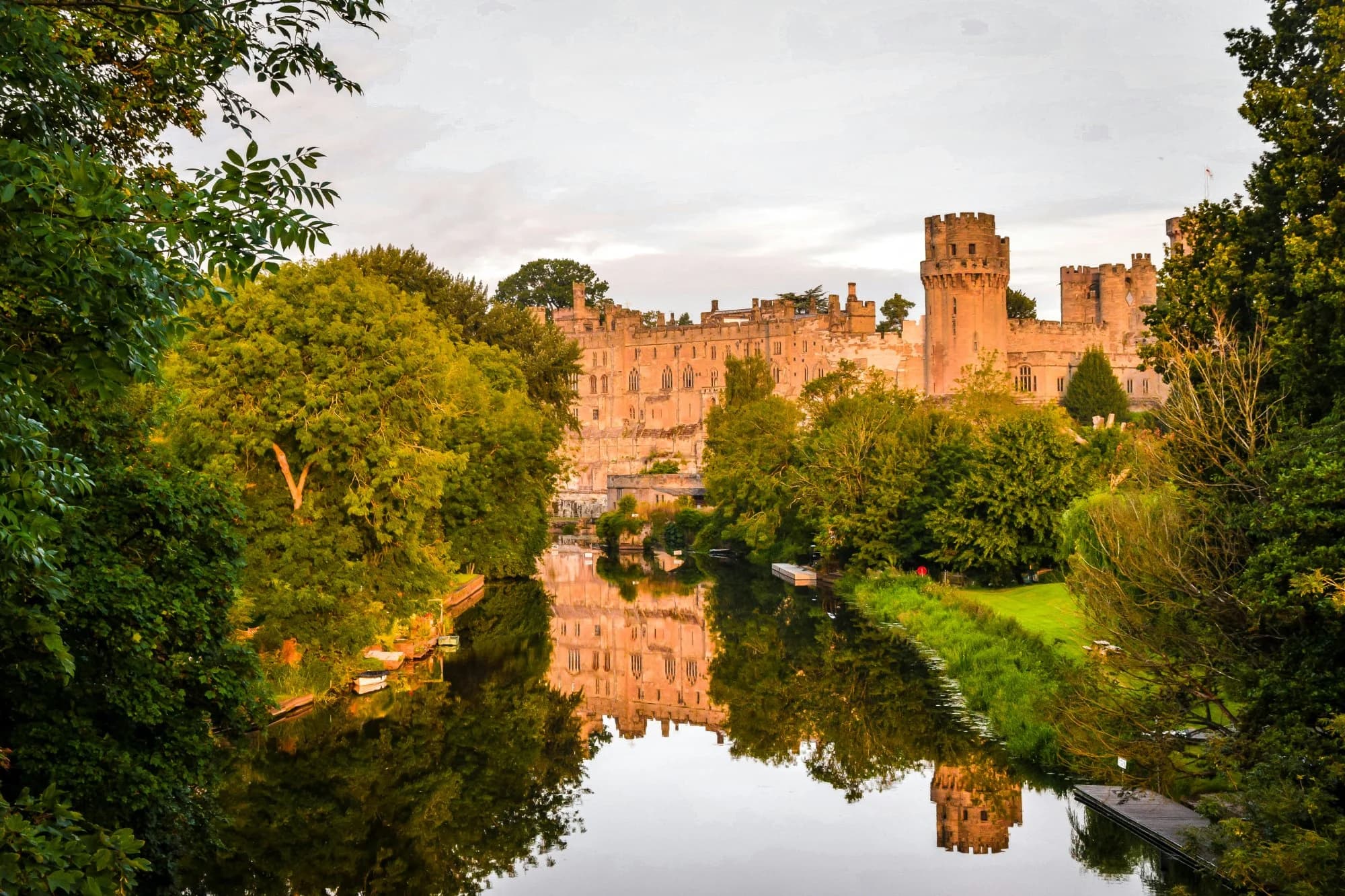
Warwickshire
4 hotels
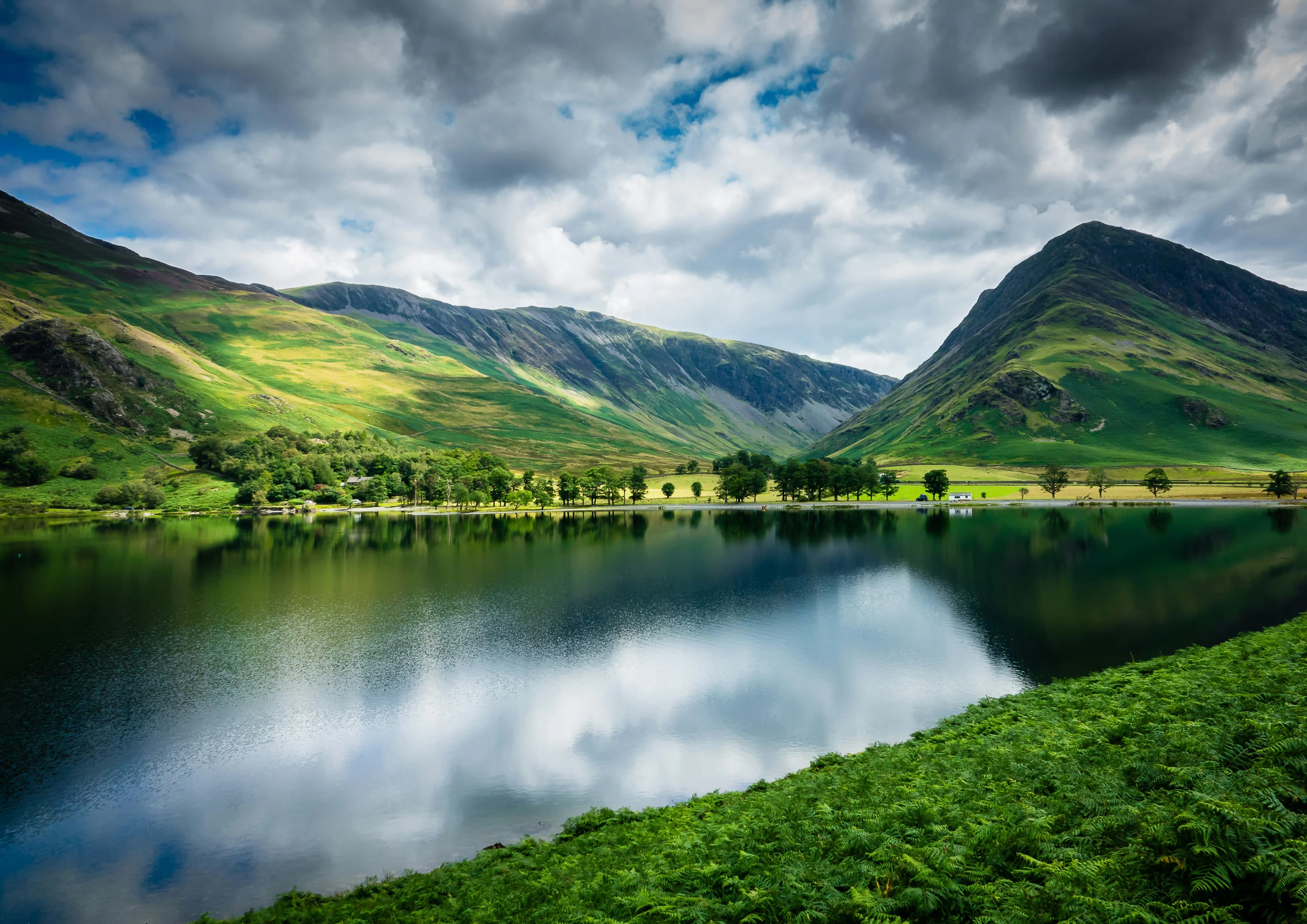
Westmorland
2 hotels
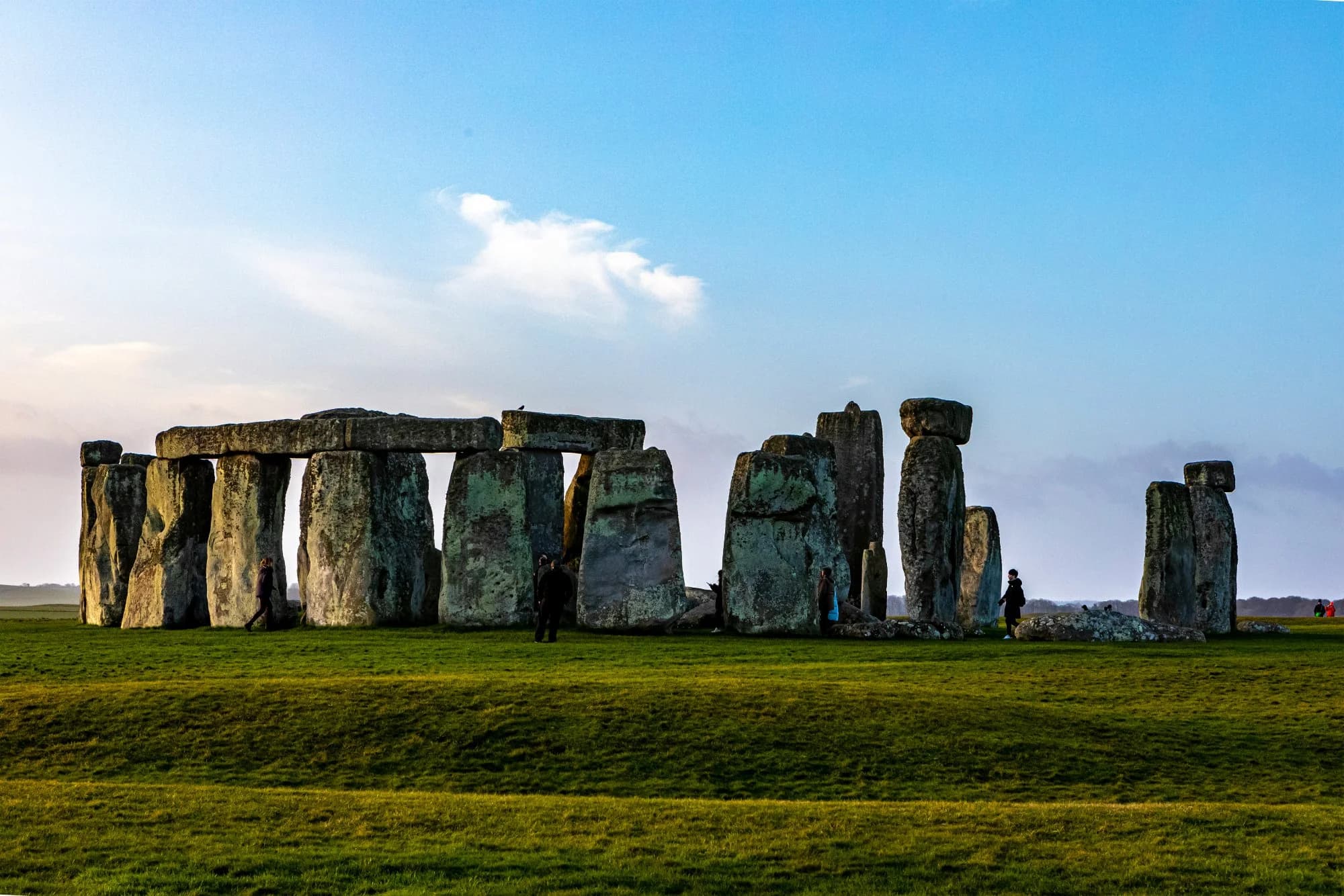
Wiltshire
2 hotels
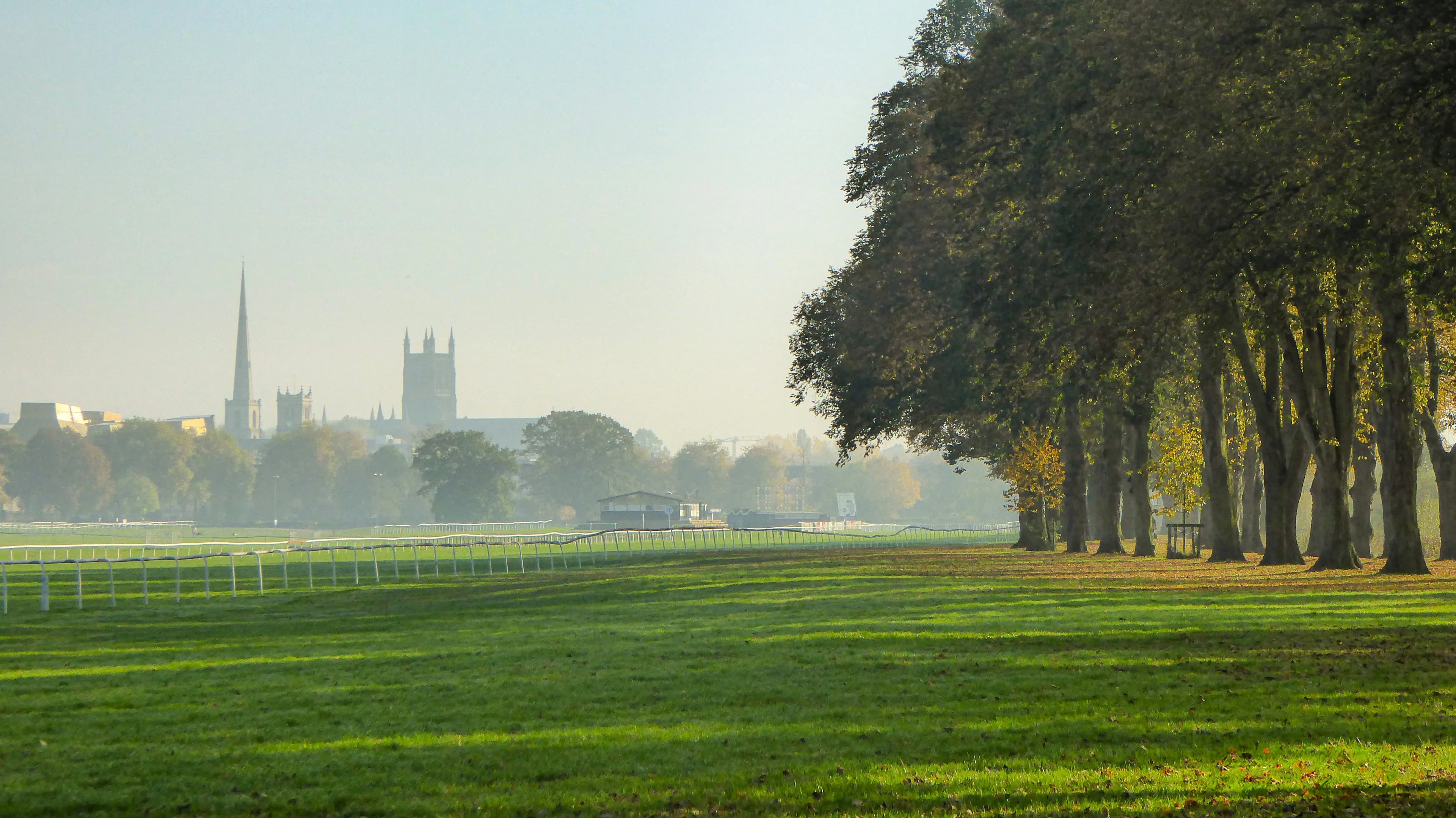
Worcestershire
2 hotels
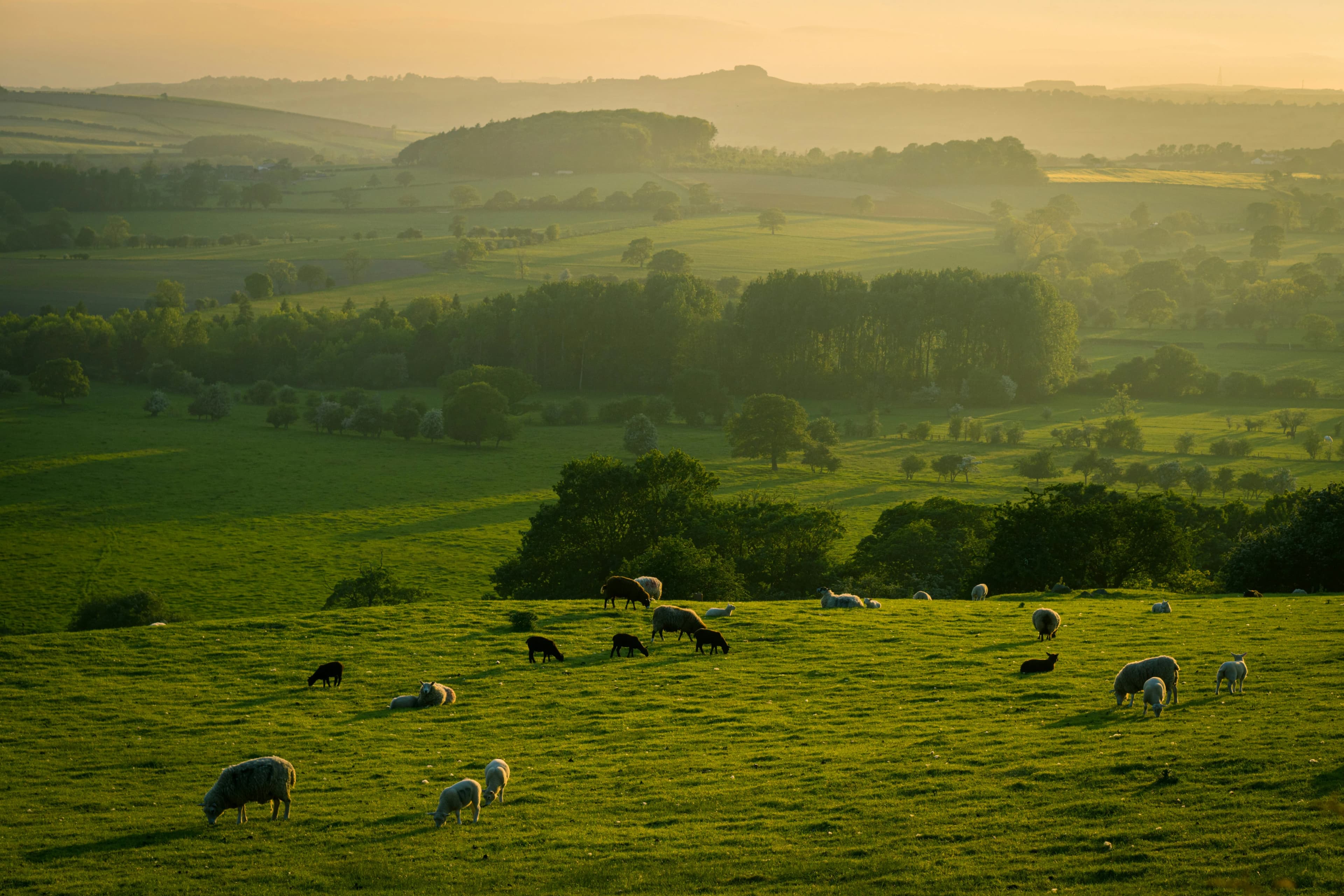
Yorkshire
2 hotels
Best Neighbourhoods for Luxury Hotel Suites in the United Kingdom
Mayfair and Belgravia, London
These two central London districts remain the axis of the capital's luxury hotel market. Mayfair's grid of Georgian streets and Belgravia's white stucco garden squares have attracted flagship properties for over a century. The concentration of embassies, private members' clubs, and flagship retail in these postcodes creates an environment where expectations are uniformly high and the physical fabric of buildings — many Grade I or Grade II listed — imposes a structural elegance on interior design. Suites in this corridor tend towards the palatial in scale and the classical in execution, with notable exceptions where contemporary architects have been given latitude within protected shells.
Knightsbridge and Kensington, London
Adjacent to Hyde Park, this stretch of west London anchors a different register of luxury — quieter, more residential in feel, proximate to the cultural institutions of Museum Quarter. Hotels here often occupy purpose-built Victorian and Edwardian buildings of considerable mass. The guest experience leans towards privacy and long-stay comfort rather than social performance. Suites frequently offer park-facing aspects and generous ceiling heights that the neighbourhood's building stock naturally provides.
Edinburgh New Town and Old Town
Scotland's capital divides cleanly into two architectural identities. The New Town — a UNESCO World Heritage Site — is a masterwork of 18th-century rational planning: wide streets, uniform sandstone facades, and a civic formality that translates directly into how its best hotel conversions feel. The Old Town, built on volcanic geology along the Royal Mile, offers the opposite: compressed, layered, historically stratified spaces that reward atmospheric rather than expansive design. Both areas support a category of suite hotel with genuine architectural provenance.
The Cotswolds and Rural England
The English countryside has long sustained a tradition of the country house hotel — a category the UK arguably invented and continues to lead globally. The Cotswolds in particular, with its limestone villages and estate farmland, is home to properties that blur the boundary between private residence and managed hospitality. Suites in this context are often structured around original reception rooms, walled gardens, and working agricultural land. The offer is spatial generosity, material authenticity, and a deliberate distance from urban rhythms.
The Scottish Highlands
Scotland's northwest represents an extreme end of the UK luxury spectrum: remote estates, hunting lodges, and castle conversions set within landscapes of pronounced natural severity. Properties here are defined by their relationship to land rather than city infrastructure. The suite experience is shaped by openness, silence, and an architectural vernacular of local stone, timber, and fireplace culture. This is a niche but highly coherent luxury category, particularly relevant for those for whom solitude is the primary metric of quality.
When to Visit the United Kingdom
The UK's hospitality calendar is less weather-dependent than commonly assumed and more structured around a sequence of high-demand cultural and sporting events that compress room availability significantly.
Late spring — specifically May and early June — represents the most balanced entry point. Daylight hours are long, temperatures in southern England are moderate, and the social season opens with events including the Chelsea Flower Show and the start of the cricket season at Lord's. Hotel rates remain below their absolute peak at this point.
July and August bring Wimbledon, Glorious Goodwood, and the Edinburgh Festival Fringe, the last of which runs through August and creates some of the most acute supply constraints in Edinburgh's hotel market of the entire year. London's peak summer season runs concurrently, driven by international leisure arrivals. Rates across the country reach their annual maximum in this window.
September is arguably the strongest month for a discerning visit. The Festival season concludes in Edinburgh, the cultural and arts programming in London resumes after summer pause, and the light in Scotland shifts towards the amber tones of early autumn. Demand moderates but the quality of experience remains high.
Winter in London — particularly November through January — is underrated by international visitors. Major hotel groups often apply their most competitive suite rates, the city's restaurants, galleries, and theatre operate at full intensity, and the atmosphere in properties within this category becomes notably more intimate. Scotland in winter, by contrast, demands specific preparation but rewards those with an appetite for estate isolation and open-fire hospitality.
Understanding UK Luxury Hotel Standards and Classification
The United Kingdom does not operate a state-sanctioned equivalent to France's Palace designation. The primary independent classification authority is the AA (Automobile Association), whose five-red-star rating represents the highest tier of recognition for UK hotels. Red stars — as distinct from black stars — indicate exceptional quality across service, comfort, and culinary offer.
The Forbes Travel Guide five-star rating, while American in origin, carries significant weight in how London's flagship properties benchmark themselves internationally. A small number of properties hold both AA five red stars and Forbes five stars, representing the most formally recognised tier of UK luxury hospitality.
Beyond formal classification, a meaningful distinction exists between hotels that operate as institutional luxury — the grands dames of the Mayfair circuit, many of which have been in continuous high-end operation for over a century — and the newer generation of design-led independents and boutique properties that compete on curatorial and spatial intelligence rather than legacy recognition. Both categories are legitimate and serve distinct guest priorities. The former offers the weight of institutional reputation and a specific grammar of formal service; the latter typically offers more resolved architectural ambition and a higher degree of singularity in suite design.
How to Choose the Right Suite in the United Kingdom
Several practical axes govern the selection of a UK suite at the quality level this platform addresses.
The first is architectural context. A suite within a converted Georgian townhouse, a Victorian railway hotel, or a Scottish baronial estate will have fundamentally different spatial qualities — ceiling height, natural light, room proportion — from a purpose-built luxury tower. Establishing a preference for original fabric versus purpose-built modernity is a decisive filter.
The second is urban versus rural orientation. The UK offers genuine excellence in both categories but they require different mental frameworks. Urban suites in London or Edinburgh are optimised for access — to restaurants, culture, and commercial infrastructure. Rural estate suites are optimised for self-containment, where the property itself constitutes the primary experience.
The third is service model. British luxury hospitality spans a spectrum from the white-glove formality of the traditional grand hotel — with concierge, butler, and dedicated floor service — to the more relaxed but equally attentive model of the design-led boutique. Neither is superior; the relevant question is which service grammar aligns with the guest's preference for interaction and structure.
Practically: request specific suite aspects when booking. Park-facing suites in London carry a material premium in experience, particularly in properties adjacent to Hyde Park or Green Park. In Scotland, northern and western aspects tend to offer the most dramatic landscape exposure. Listed building constraints in the UK can also affect renovation scope — it is worth confirming the date of most recent suite refurbishment when making a selection.
The Value of Curation in UK Luxury Hotel Selection
The UK's luxury hotel market is large, geographically dispersed, and marketed with varying degrees of accuracy. The gap between a property's self-presentation and its actual spatial and service quality is, in some cases, considerable. This gap is particularly pronounced in the mid-luxury tier, where marketing language borrows from the vocabulary of true luxury without the underlying material or operational investment to support it.
A curated selection serves a specific function: it eliminates the research burden associated with filtering signal from noise in a saturated market. La Suite's selection process prioritises verifiable spatial quality, architectural integrity, and consistency of guest experience over marketing positioning or brand recognition alone. The result is a shortlist that can be navigated with confidence rather than a directory that requires its own internal curation. For time-constrained, quality-focused travellers, this is not a convenience — it is a structural necessity.