


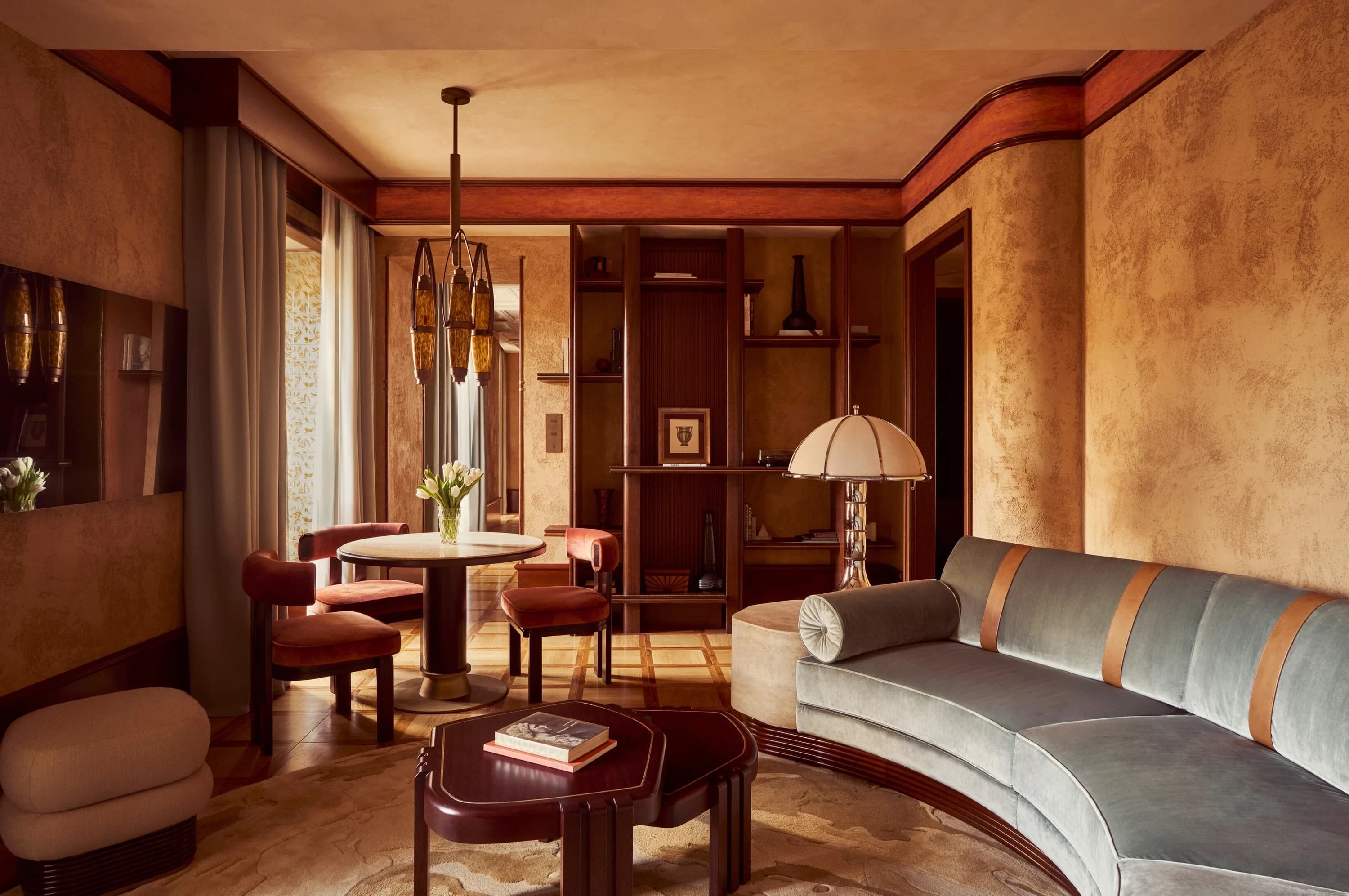
Beyond the Bedroom: The Definitive Guide to Suite Hierarchy
BY Jules PEULET
Booking a suite is often perceived as the pinnacle of the hotel experience. Yet behind this term lies a sometimes complex reality. Between a Deluxe Suite and a Signature Suite, the differences touch on architecture, intimacy, and storytelling. Here is your technical manual to decode the language of luxury.
In the world of luxury hospitality, the term "Suite" is often misused. Hotel marketing has transformed a simple bedroom with a sofa into a "Junior Suite", making the choice difficult for the discerning traveler. To book with full knowledge of the facts, you must look beyond the grandiose titles and understand the spatial grammar of the hotel.
Here is the technical taxonomy that every traveler should possess before making their next reservation on La Suite.
I. The Fundamental Categories: The Structure of Luxury
The classification of a suite generally responds to criteria of square footage, partitioning and equipment. Here's how to read between the lines.
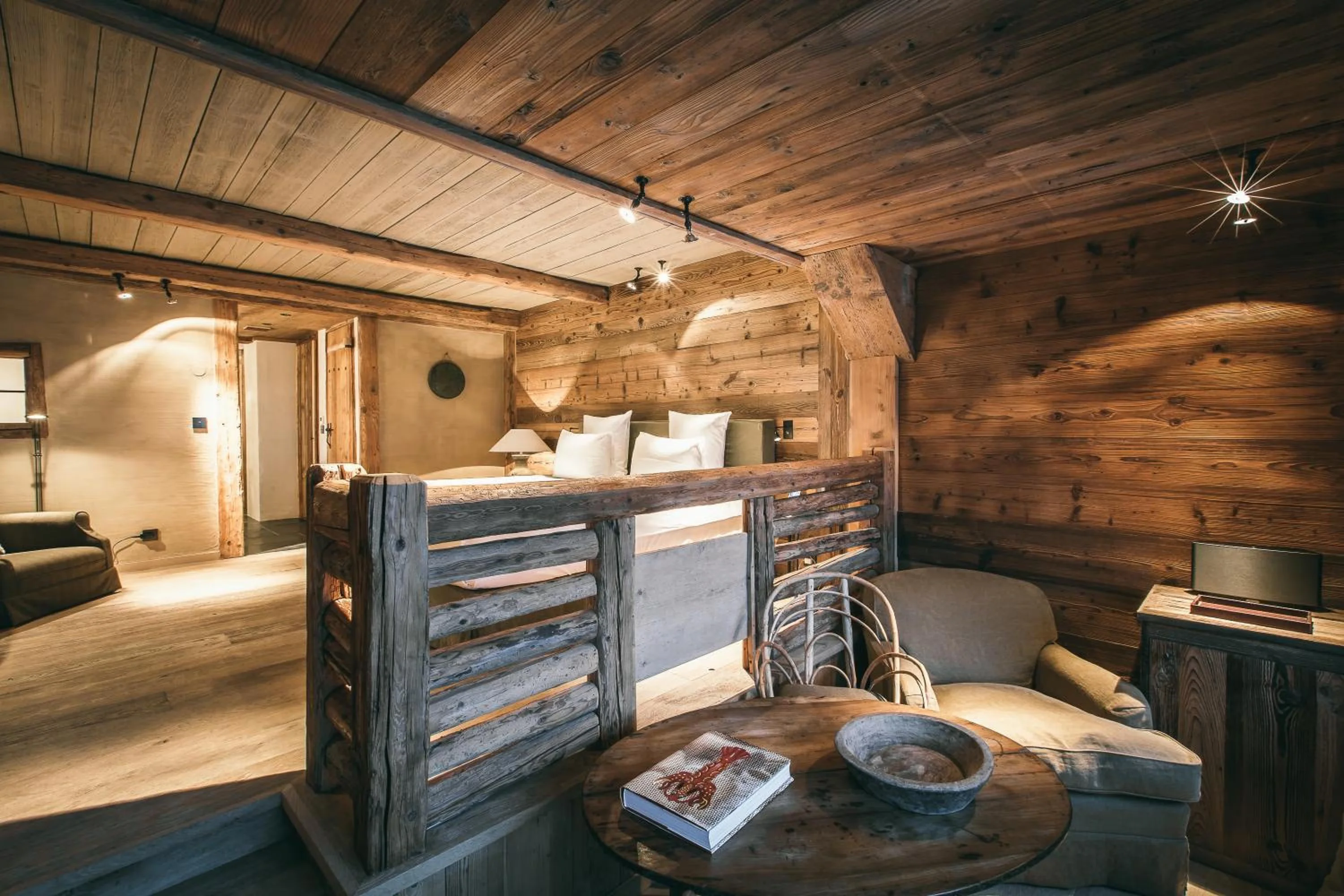
1. The Junior Suite: The elegance of open space
The Junior Suite is the gateway into the world of suites. Technically, it does not feature a complete wall separation. It is designed as a large open volume where the lounge area is an integral part of the bedroom.
Why choose it: For a sense of superior space without paying the price of a residential suite.
For whom: The business traveler on a short stay or the couple on an urban getaway who wish to prioritize a very bright bedroom.
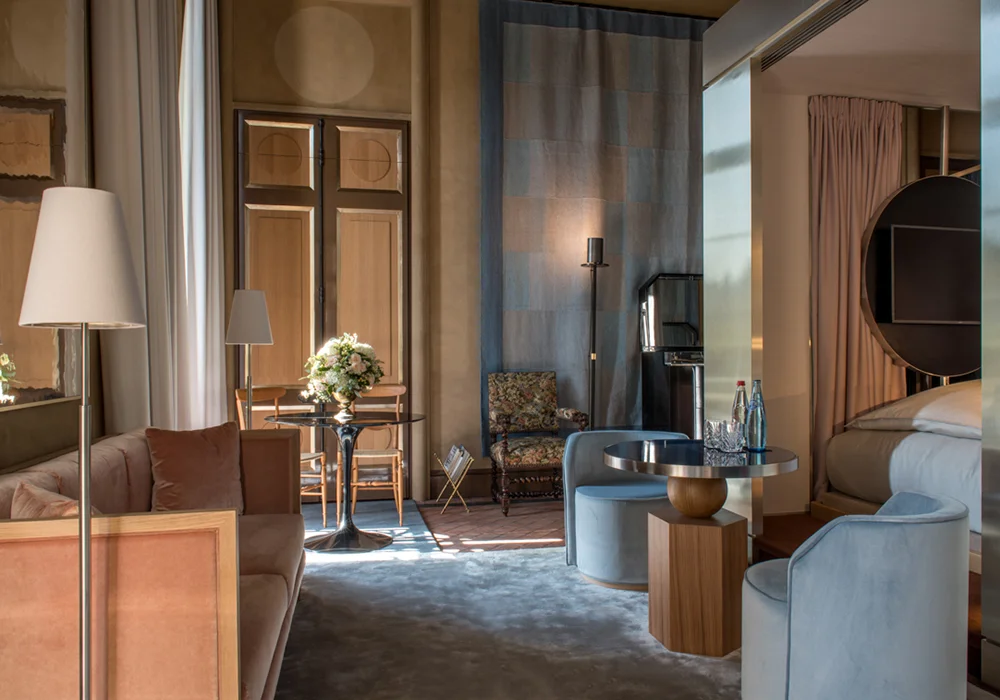
2. The Deluxe Suite: The standard of intimacy
The Deluxe Suite is the first true threshold of residential comfort. Here, partitioning is the norm. A door separates the lounge from the bedroom, allowing you to work or entertain without disturbing the tranquility of the sleeping area.
Why choose it: For the separation of functions. It is the ideal suite for a stay of 3 to 5 days.
For whom: Couples seeking complete privacy or professionals who need to conduct informal meetings in the room.
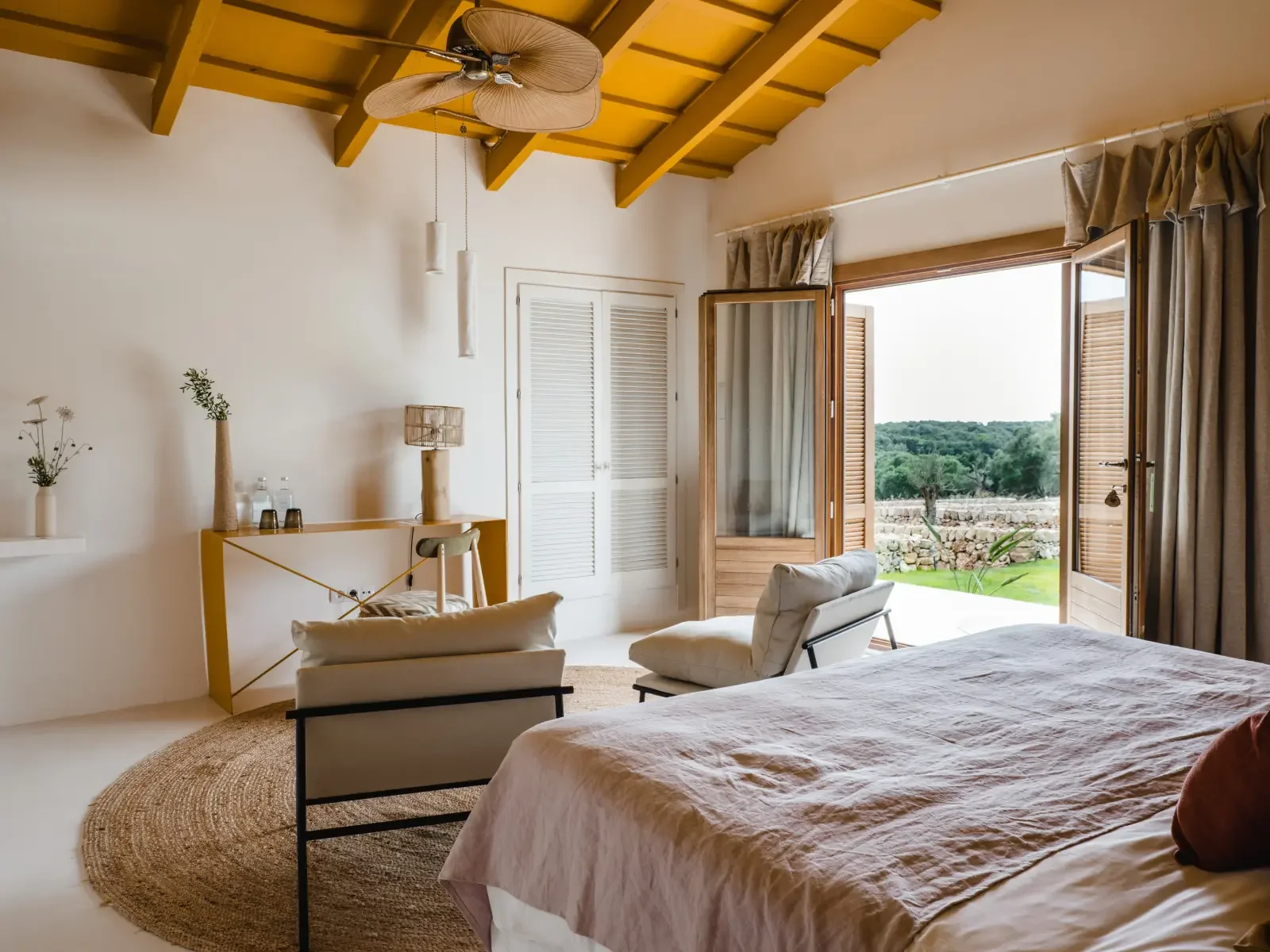
3. The Grand Suite: Amplitude and comfort
The Grand Suite offers significantly larger square footage, often complemented by a monumental bathroom and a proper dressing room. The furnishings are of higher quality, and the materials (marbles, woodwork, leather) are selected with particular attention.
The key attribute: The bathroom becomes a living space in its own right, often equipped with a freestanding bathtub and a separate shower.
4. The Executive Suite: The mobile headquarters
Designed for productivity, this suite integrates an ergonomic work area, enhanced connectivity (printer, multiple charging ports, precision lighting) and a lounge capable of accommodating up to 4 people for meetings.
The little extra: Often located near service elevators or club floors, for smooth and rapid circulation.
II. The "Experiential" Suites: Added Value
While the categories above follow a logic of function, the following ones follow a logic of emotion and rarity.
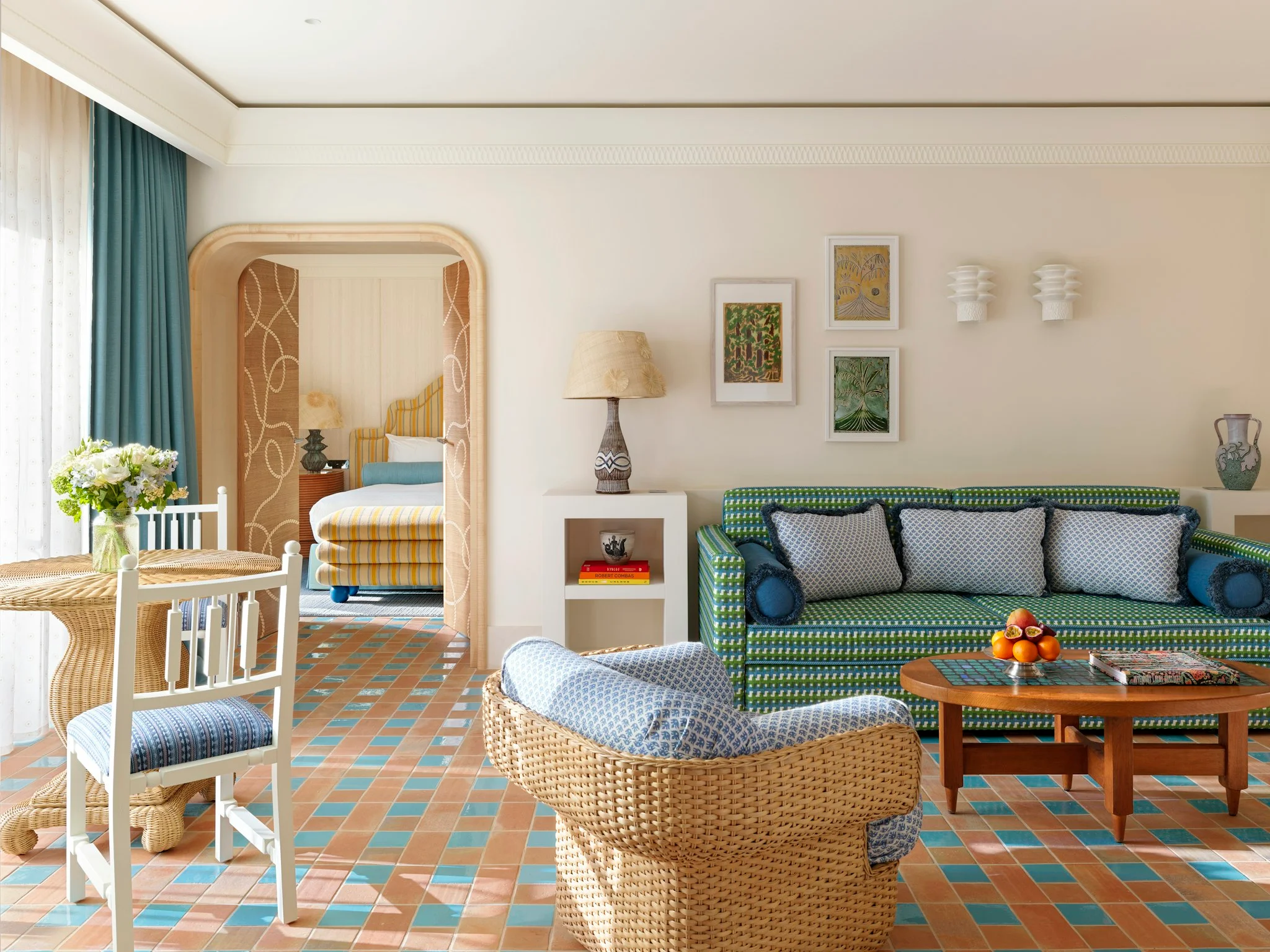
5. The Signature Suite (or Iconic Suite)
It is the jewel of the establishment. The Signature Suite has a soul of its own: it is often decorated by a renowned designer, bears the name of a historical resident or muse, and contains furniture pieces you will not find anywhere else.
The experience: You are not sleeping in a room, you are sleeping in a work of art.
Why it is different: Every detail is the result of artistic curation. It is the most "photogenic" item in the hotel.
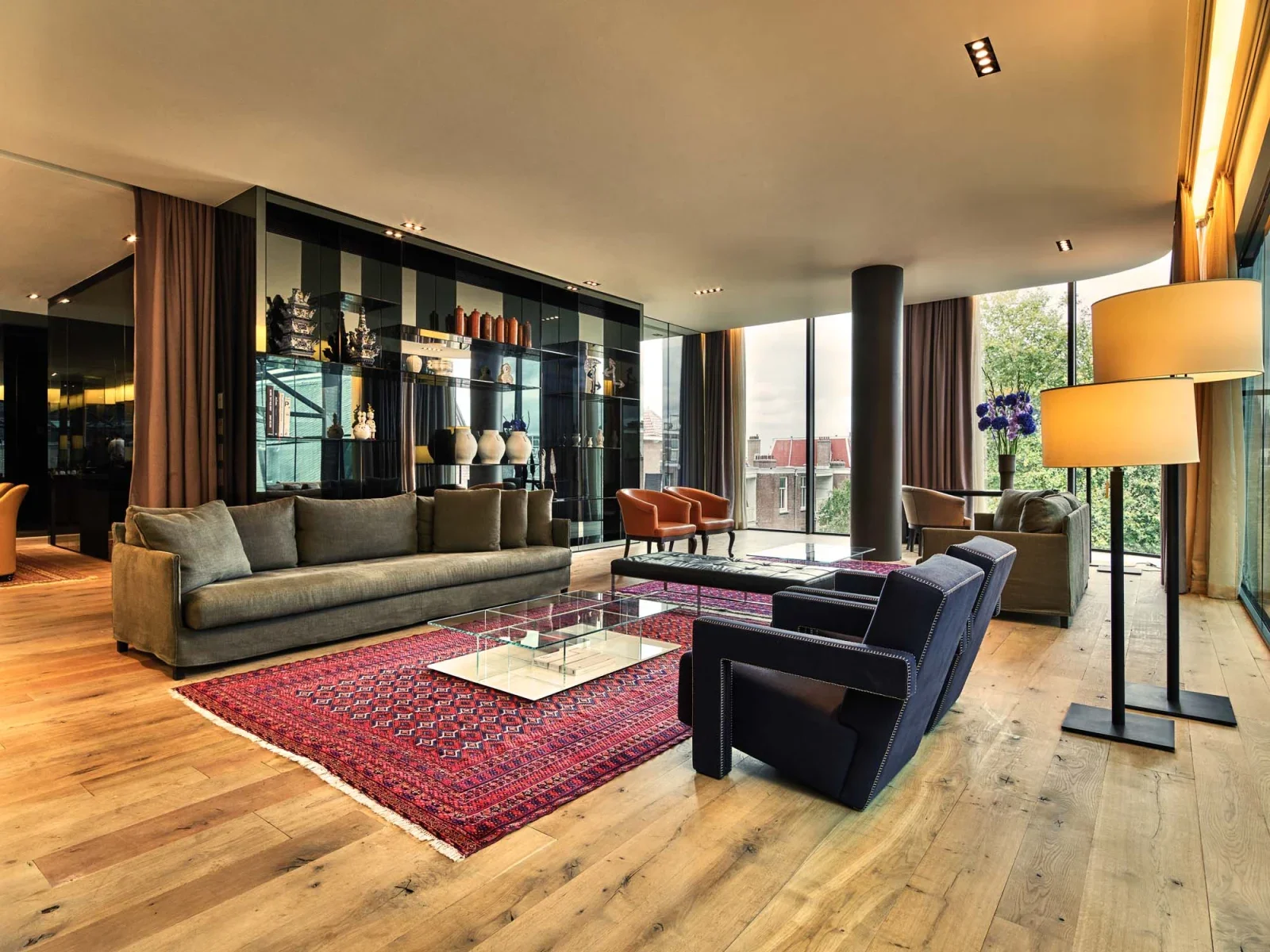
6. The Penthouse Suite: The Luxury of Height
Located on the top floors, it offers breathtaking views. It stands out for exceptional brightness and, very often, a private terrace that multiplies the space towards the outside. It is the luxury of perspective.
Expert advice: Always verify elevator access. A Penthouse must be accessible by a dedicated elevator to guarantee discretion.
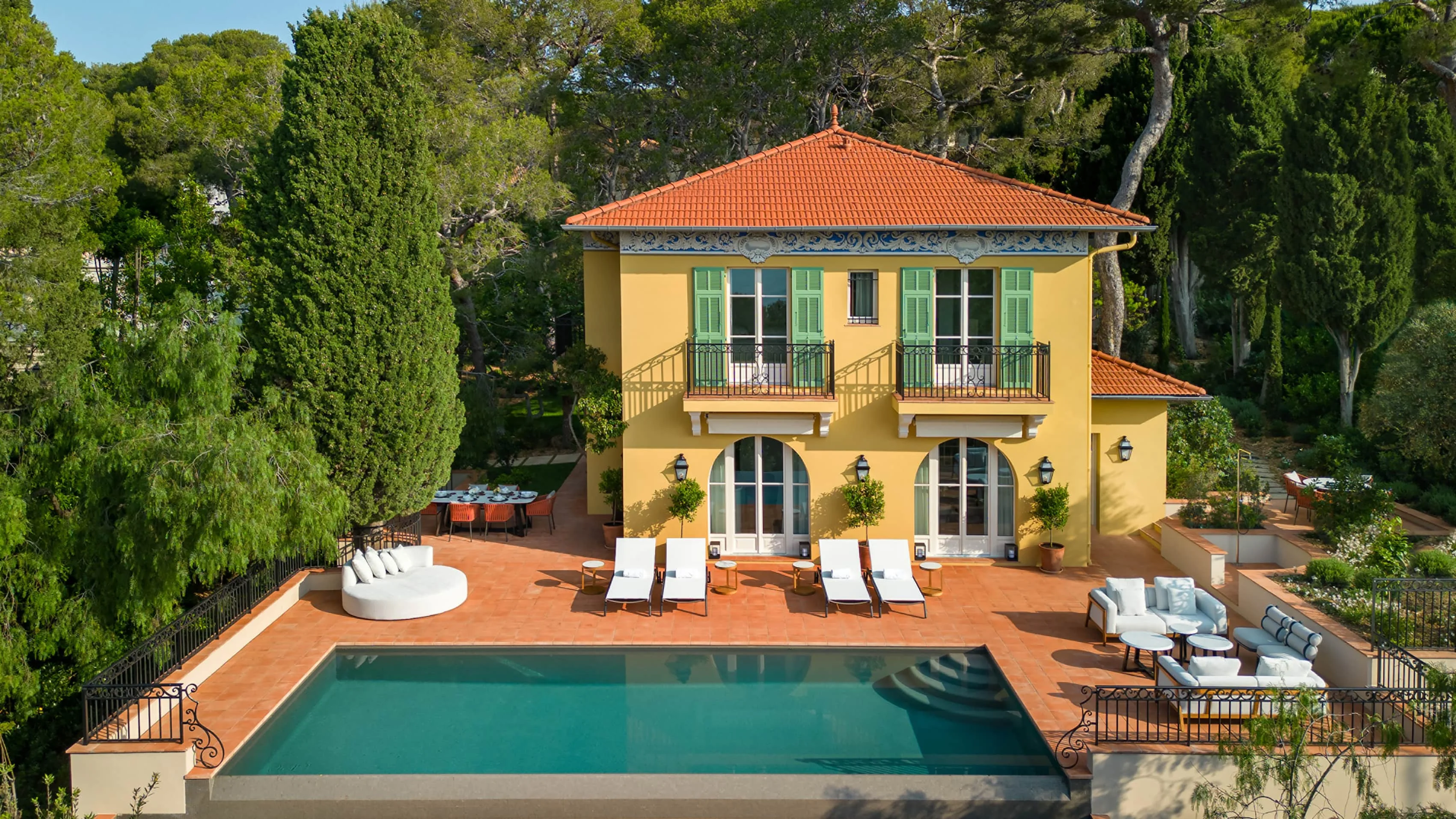
7. The Villa Suite: Total Independence
Often detached from the main body of the hotel, the Villa Suite offers absolute freedom. Private entrance, garden, direct parking: you enjoy the palace's services without submitting to its public codes.
For whom: Families or public figures who require complete separation between their private life and the hotel lobby.
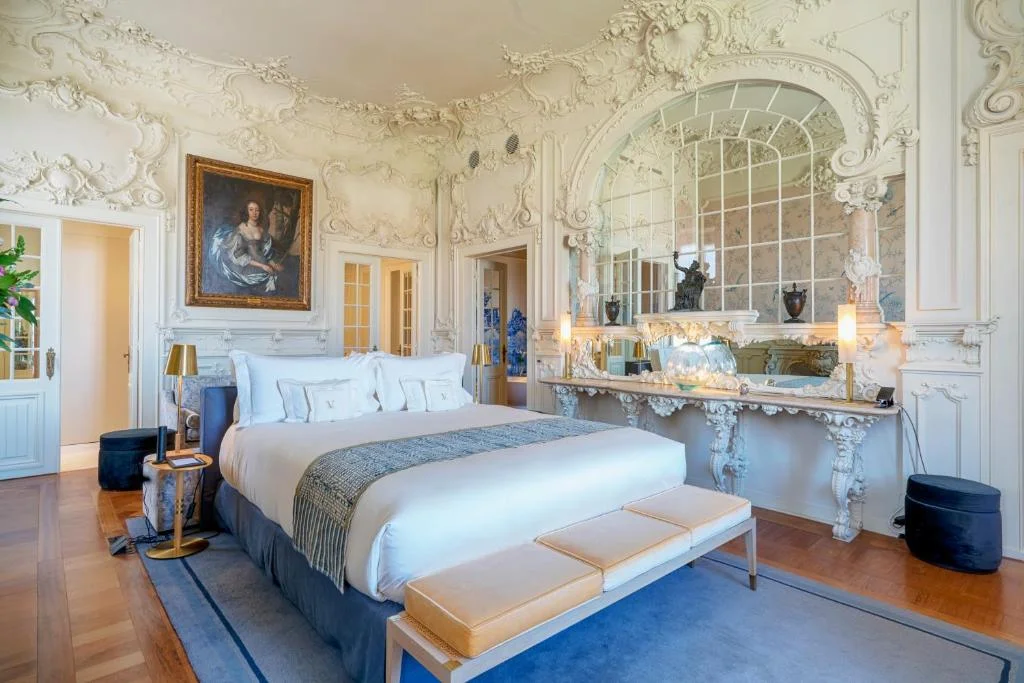
8. The Royal Suite: Sovereignty
It is the largest, most secure and most exclusive suite. It features multiple bedrooms, a dining room, a dedicated butler, and sometimes a chef's kitchen. It is treated as a state residence.
III. The Lexicon of Attributes: What Really Makes the Difference
Beyond the name, it is the attributes that dictate your daily comfort. Here is how to identify them:
The Corner Suite: It's the best-kept secret. A corner suite offers two light exposures and often a 180-degree view. It is almost always larger than a central suite at an equivalent price.
The suite with terrace: A premium attribute that doubles your living space in fine weather. Always check whether the terrace is private (exclusive) or semi-private.
The duplex suite: It plays with verticality. The living room is downstairs, the bedroom upstairs in a mezzanine. It's the ideal format for travelers who love grand architectural volumes.
The suite with private pool (In-suite pool): The Holy Grail. Whether on a rooftop in Athens or in a villa in Bali, owning your own pool radically transforms your stay into a pure wellness experience.
IV. Why do these names vary so much?
It's frustrating to see a "Royal Suite" in Hotel A be smaller than an "Executive Suite" in Hotel B. Why?
The weight of history: A hotel located in an 18th-century palace cannot modify its volumes. It names "Royal" its largest space, even if it is 80m².
Yield Management strategy: Hotel marketing creates categories to segment its prices. By creating an intermediate category, the hotel can increase its margins on spaces previously less desirable.
Originality: Some hotels refuse classical jargon to create their own lexicon in order to mark their singularity.
V. The insider's checklist: 5 questions to ask before booking
To never be disappointed by a reservation again, ask these questions to our concierge or directly to the hotel:
"What is the physical separation between the bedroom and the living room?" (Expected answer: Full door, not just a curtain or screen).
"Is the suite located at a corner?" (Expected answer: Yes = double view and more light).
"What service is associated with this category?" (Expected answer: Butler, private check-in, complimentary pressing).
"Is the suite located near the elevator or service areas?" (Critical point to avoid noise nuisance).
"What are the exclusive advantages of this category compared to the lower category?" (If there is no butler or lounge access, is the price difference justified by size alone?).
Conclusion: The art of choosing your suite
Understanding the hierarchy of suites is to move from occasional traveler to informed connoisseur. Luxury lies in the details of configuration: a corner suite with a private terrace will always offer you a richer experience than a central suite, even if the commercial name is simpler.
At La Suite, we don't just show you photos: we help you choose the space that will match your exact need for work, rest or celebration. Next time you hesitate between a Deluxe and a Signature, remember that you're not just buying square meters, but a lifestyle arrangement.
Understanding these categories is a first step, but knowing how to identify the suite that will match your exact strategic need is an art. To go further and discover the secrets of elite service and the architecture of comfort, consult our reference guide: Defining the Exception: Everything you need to know about the world of Suites.